
Immunotherapy for Your Cancer Type
Learn how immunotherapy is helping patients with different cancers

Immunotherapy helps your immune system fight cancer
Immunotherapy has transformed the way many cancers are treated, offering new options for patients at different stages of their disease. These treatments work by helping the immune system better recognize cancer cells, strengthening immune responses, or removing the “brakes” that stop immune cells from acting. More than 40 immunotherapy drugs have been approved to treat over 30 cancer types.

Not all cancers respond the same way to immunotherapy
Every cancer is different. Factors like biomarkers, tumor biology, and even where a cancer grows in the body can affect how well immunotherapy works. This helps explain why immunotherapy is a standard treatment for some cancers, an emerging option for others, and still being studied in clinical trials for many more. As research continues and new treatments are approved, more people gain access to immunotherapy every year.

What Cancers Can Be Treated with Immunotherapies?
Immunotherapy includes several main approaches, such as immune checkpoint inhibitors (ICIs), bispecific antibodies, adoptive cell therapies, oncolytic viruses, cancer vaccines, and other immune-boosting treatments.
These therapies are used across different cancer types, and because every cancer and every patient is unique, treatment decisions should be made in partnership with your health care team.

Rare cancers and cancers may not be listed here
Many rare cancers and less common cancer subtypes may also have immunotherapy options, especially when specific biomarkers are present. Clinical trials are often the best way to access immunotherapies that are still being studied and not yet approved for use in the clinic. If your cancer type is not listed here, CRI’s patient resources and Clinical Trial Navigators can help you determine if immunotherapy may be an option for you.

Bladder Cancer
Bladder cancer is commonly treated with immunotherapy. ICIs are a standard part of care in advanced or metastatic stages, and some early-stage cases are treated with BCG, one of the earliest forms of immunotherapy.

Brain & Central Nervous System Cancers
Brain and central nervous system cancers, including glioblastoma, are difficult to treat due to the brain’s unique environment. Immunotherapies are being actively studied in clinical trials.

Breast Cancer
Breast cancer may be treated with immunotherapy in certain subtypes, particularly triple-negative disease. For metastatic cancer, ICIs are typically used when tumors express PD-L1.

Cervical Cancer
Cervical cancer can be treated with ICIs in recurrent, persistent, or metastatic settings, especially when tumors express PD-L1. Immunotherapy may be used alone or combined with chemotherapy and targeted therapies.
Childhood Cancer
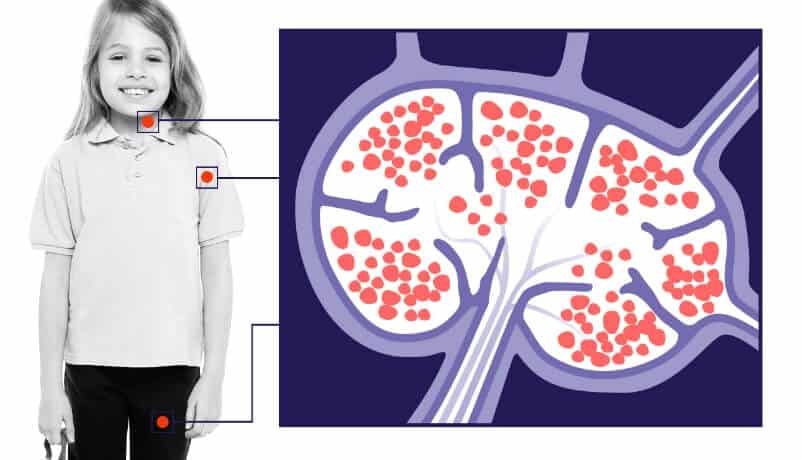
Childhood cancers, including certain leukemias, lymphomas, and solid tumors with specific biomarkers, respond well to targeted therapy and immunotherapy – CAR T-cell therapy is approved for some pediatric leukemias.

Colorectal Cancer
Colorectal cancer with DNA-repair-related biomarkers often responds well to ICIs. Clinical trials are also evaluating immunotherapy for other subtypes that have historically been less responsive.

Esophageal Cancer
Esophageal cancer can be treated with ICIs in advanced stages and, in some cases, before or after surgery. Researchers are studying combinations with chemotherapy or targeted therapy to improve long-term outcomes.

Head and Neck Cancer
Head and neck cancers, including those linked to human papillomavirus (HPV), can benefit from immunotherapy. ICIs can be used for recurrent or metastatic disease and are sometimes combined with chemotherapy.

Kidney Cancer
Kidney cancer often benefits from ICIs, which may be given alone or alongside targeted therapies. Ongoing clinical trials are testing new combinations and approaches for both common and rare subtypes.

Leukemia
Leukemia, particularly acute lymphocytic leukemia (ALL) and certain B-cell leukemias, respond well to immunotherapy. CAR T-cell therapy is an option for patients whose cancer has returned or not responded to other treatments.

Liver Cancer
Liver cancer is commonly treated with immunotherapy combinations, such as ICIs paired with targeted therapies, in advanced stages. Research is underway to identify biomarkers and refine treatment strategies.

Lung Cancer
Lung cancer, including non–small cell (NSCLC) and some small cell types, is widely treated with immunotherapy. Depending on biomarker levels such as PD-L1, ICIs may be used alone or with chemotherapy.
Lymphoma
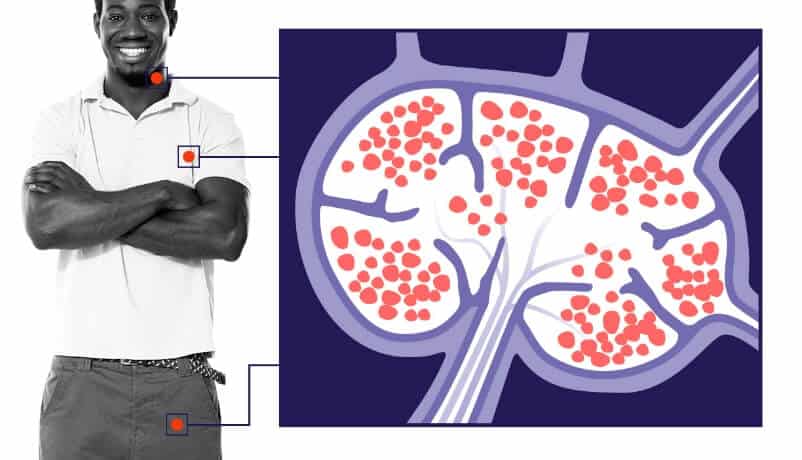
Lymphoma, including classic Hodgkin and some non-Hodgkin subtypes, often responds well to ICIs and adoptive cell therapies. CAR T-cell therapy is approved for multiple lymphoma subtypes.

Melanoma
Melanoma is highly responsive to immunotherapy. ICIs have significantly improved survival for many patients, and ongoing research is refining combination strategies to broaden benefit.

Multiple Myeloma
Multiple myeloma may be treated with immunotherapies such as bispecific antibodies and CAR T-cell therapies. These options may be used at different points of care depending on disease progression.

Ovarian Cancer
Ovarian cancer may be treated with immunotherapy in recurrent, platinum-resistant disease. ICIs have shown benefit in some patients and continue to be studied to improve response rates and expand treatment options.

Pancreatic Cancer
Pancreatic cancer with DNA-repair-related biomarkers respond well to immunotherapy, though this applies to a small percentage of patients. Clinical trials are exploring strategies and testing combinations to expand its role.

Prostate Cancer
Prostate cancer may respond to ICIs in advanced stages, especially when tumors have DNA-repair-related biomarkers or high tumor mutational burden. Research is expanding across additional subtypes.

Sarcoma
Sarcoma includes more than 70 subtypes, some of which benefit from ICIs or adoptive cell therapies. Immunotherapies are being actively studied in clinical trials, with a focus on identifying which patients may respond well.

Skin Cancer (Non-Melanoma)
Non-melanoma skin cancers, such as advanced basal cell and squamous cell carcinomas, may be treated with immunotherapy when surgery or radiation alone is not sufficient.

Stomach and Gastroesophageal Junction (GEJ) Cancers
Stomach and GEJ cancers may be treated with immunotherapy in advanced stages, particularly when tumors express PD-L1 or DNA-repair-related biomarkers. Combination approaches are continuing to expand with more research.

Uterine (Endometrial) Cancer
Uterine (endometrial) cancer is often treated with immunotherapy in advanced or recurrent settings, especially when tumors express DNA-repair-related biomarkers. ICIs may be used alone or combined with targeted therapies.
Immunotherapy for Cancer Treatment FAQs
How do I know if immunotherapy is an option for my cancer type?
It depends on several factors, including your cancer type, subtype, biomarkers, and prior treatments. Your health care team can help determine whether immunotherapy may be appropriate.
If immunotherapy isn’t standard care for my cancer type, can I still access it?
In some cases, yes. Many patients receive immunotherapy through clinical trials. CRI’s Clinical Trial Navigators can help identify studies that may be a match.
Is biomarker testing necessary for every cancer type?
In many cancers, biomarkers such as PD-L1 expression, MSI-high/dMMR status, or tumor mutational burden can help guide treatment decisions. Your health care team can explain which tests are recommended for your diagnosis.
Are immunotherapy side effects different depending on the cancer type?
Side effects relate more to the type of immunotherapy than the cancer type. Your overall health, cancer stage, and previous treatments may also affect how you experience them. If you are currently experiencing side effects or unusual symptoms, contact your health care team immediately.
Do children, adolescents, and young adults respond differently to immunotherapy?
Some childhood and young adult cancers respond well to immunotherapy. Pediatric cancers are biologically distinct, and children may require different dosing, monitoring, and supportive care.
How do I talk with my doctor about whether immunotherapy is right for my cancer?
You may have questions about whether immunotherapy is appropriate for your cancer type, which biomarkers matter for your diagnosis, and whether clinical trials are available. CRI’s Patient’s Guide to Immunotherapy has a list of questions that you can bring to your appointment to help you feel prepared and supported.
Learn More & Get Involved
Progress in cancer immunotherapy depends on informed patients, engaged communities, and groundbreaking research. CRI provides the resources and opportunities to help move the field forward.
Explore
Learn how CRI Research & Clinical Programs support scientists across the research continuum.
Stay Informed
Sign up for updates on research, clinical progress, and immunotherapy developments.
Support
Contribute to CRI’s mission of advancing collaborative, data-driven cancer immunotherapy research.