A new cancer treatment begins long before it reaches a patient. It starts with a question – and the support that gives a scientist the freedom to pursue it.
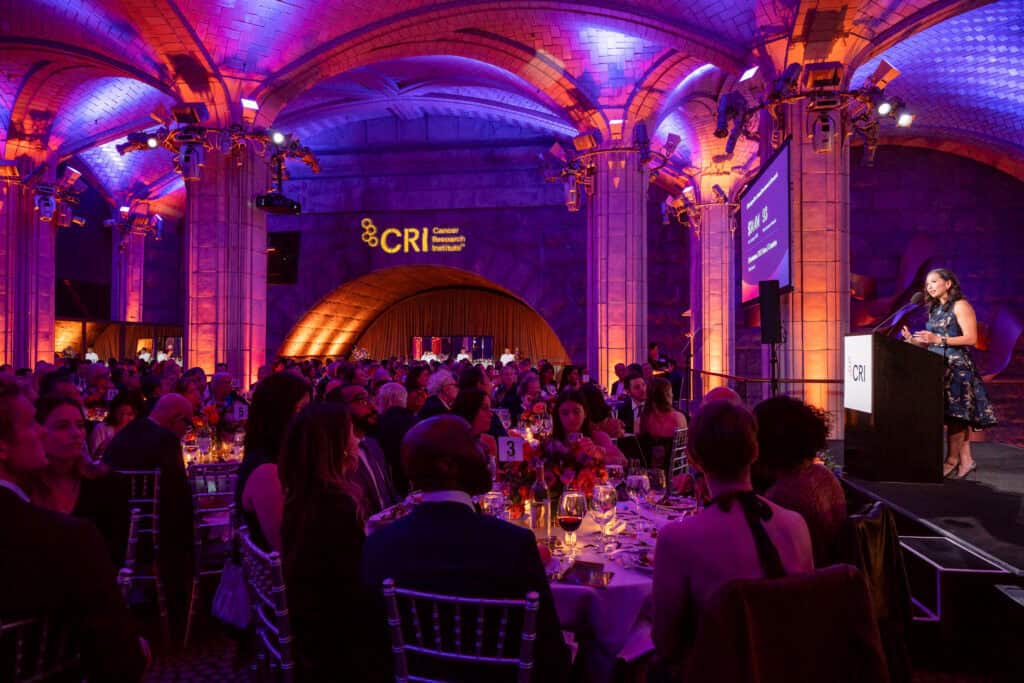
That connection was at the heart of the Cancer Research Institute’s (CRI) 2026 Annual Awards Gala, held Tuesday, October 20, at Guastavino’s in New York City. Under the theme “Next is Now,” the evening recognized the scientists and supporters helping shape the next era of cancer immunotherapy.
Hosted by veteran journalist and breast cancer survivor Athena Jones, the gala recognized the leadership of Reed Jobs, as well as the paradigm-shifting science of Eric Vivier, DVM, PhD, and Joseph Sun, PhD.

The evening raised more than $1.6 million in support of CRI’s mission.
Remembering Adam Shapiro
The evening also honored the life of CRI board member Adam Shapiro, whose wife remembered his humor, kindness, and devotion to their family. From his elaborate voices while reading aloud to his entertainingly awful singing, she shared the everyday moments that made him unmistakably Adam, and the qualities their sons, Arthur and Eli, carry forward.
She credited immunotherapy with giving Adam years in which he could live fully and productively after a diagnosis of metastatic cancer. That time, she emphasized, was made possible by years of research, funding, testing, and experimentation. Serving on CRI’s board gave Adam an opportunity to support that work and its potential to help other families.
“There is so much cause for hope, but cancer just still kills far too many, far too soon,” she said.
She invited guests to carry Adam’s legacy forward by supporting the next generation of research and treatments, with the hope that more families will have more time together.
The Next Era of Immunotherapy is Taking Shape
Advances in biology, data, and artificial intelligence are helping researchers understand cancer and the immune system in a myriad of new ways. These tools are opening opportunities to uncover connections and develop approaches that could bring better treatments to patients.
CRI’s “Next is Now” theme reflects the work already underway to make those possibilities a reality. For that work to continue, researchers need sustained support to test their ideas and follow discoveries wherever the evidence leads.
“The challenge now is to turn promising results into treatments that work reliably for more people,” said Alicia Zhou, PhD, CEO of CRI, during her opening remarks. “No single laboratory institution or discipline can do that alone. An increasingly important part of CRI’s role is to bring scientists together to tackle the questions they can’t answer in isolation.”
Reed Jobs and Support for the Path from Discovery to Treatment
CRI honored Reed Jobs with the Oliver R. Grace Award for Distinguished Service in Advancing Cancer Research, recognizing leadership that advances cancer research through philanthropy, advocacy, and awareness.
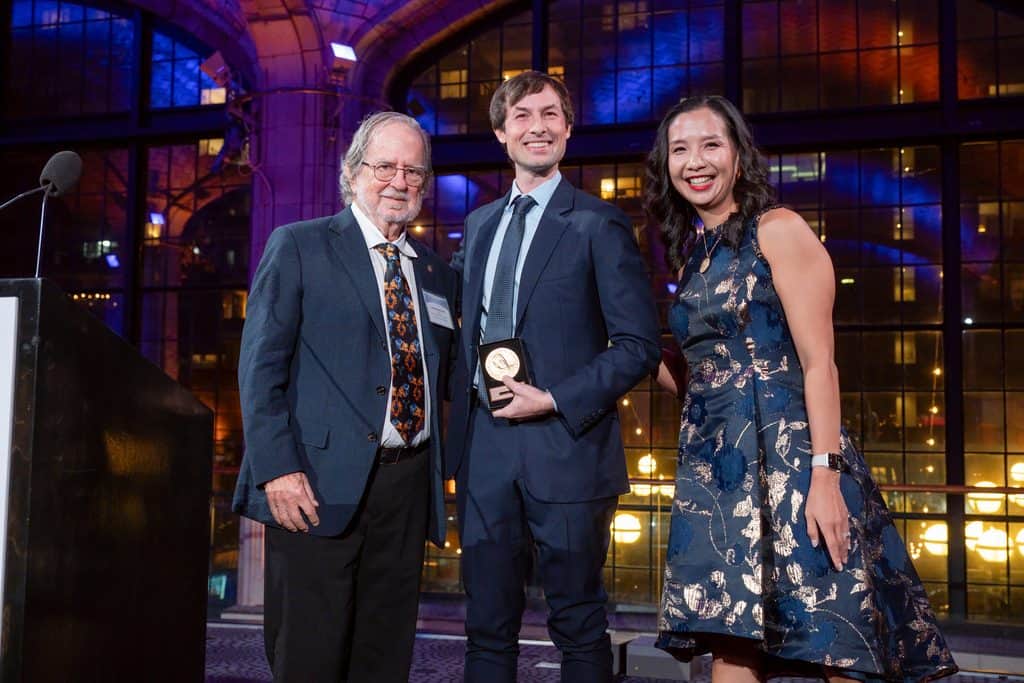
As the founder of Yosemite, an oncology-focused venture firm, Jobs has developed an approach that pairs philanthropy with venture investment. The model supports promising discoveries while they are still early ideas in university laboratories and helps them move toward clinical proof.
“At the core of it, my company has a simple supposition, which is that the cures to cancer have not yet been made, and we need to go out and make them,” Jobs said during his remarks. “What’s most important is we try to see the ideas that are by far the most ambitious, and that is the basis of our real interest in this space.”
Shaped in part by his family’s experience with cancer, his commitment centers on helping scientists pursue ideas that could lead to better treatments to make cancer nonlethal in our lifetime. That approach shares a principle with CRI’s work: researchers need people willing to support a discovery before its potential is fully known.
The Promise of Cancer Vaccines: Molly Hones’ Story
Molly Hones shared how an experimental treatment became her “moonshot” after a rare liver cancer spread to her lungs. She had begun preparing for the end of her life when she learned she was eligible for a clinical trial at Johns Hopkins testing a cancer vaccine in combination with checkpoint immunotherapy.
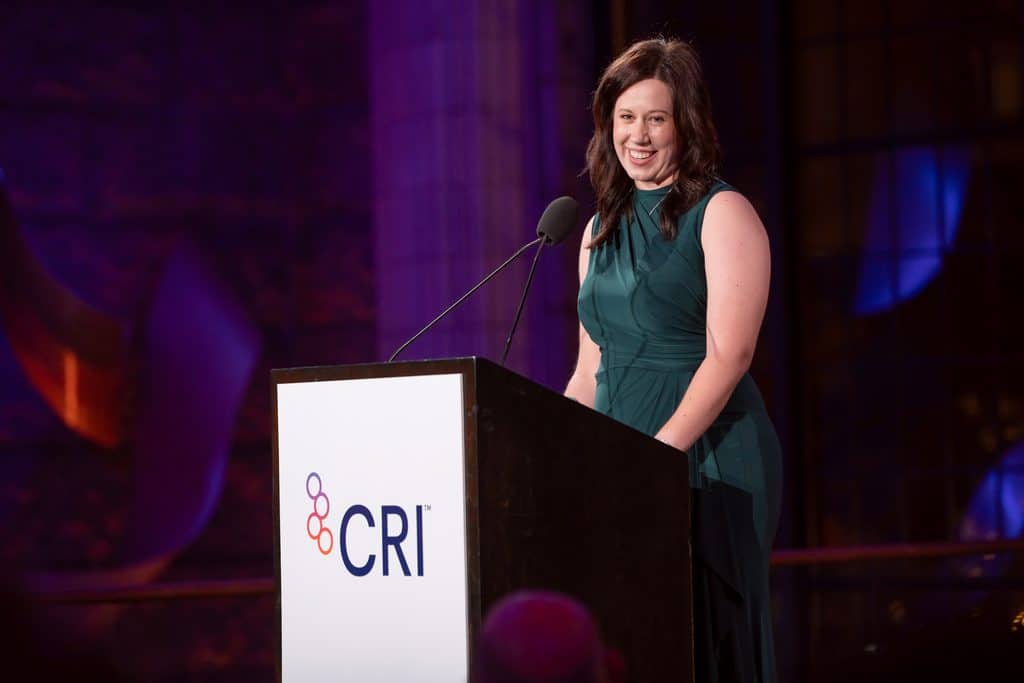
She enrolled hoping that, whatever happened, her participation could help someone who came after her. Two weeks into treatment, her husband, Grant, died unexpectedly. Guided by his encouragement to keep living, she continued traveling and embracing life.
Within months, scans showed that the four cancerous nodules in her lungs had disappeared. This September, she celebrated two years of complete remission.
Thanking CRI’s supporters, she reminded guests that research must receive support long before someone knows they will need it.
“When I joined the trial, I thought I was doing it for the person who would come after me,” she said. “Now I understand that people before me had already done that for me.”
Dr. Eric Vivier and the Understanding of Innate Immunity
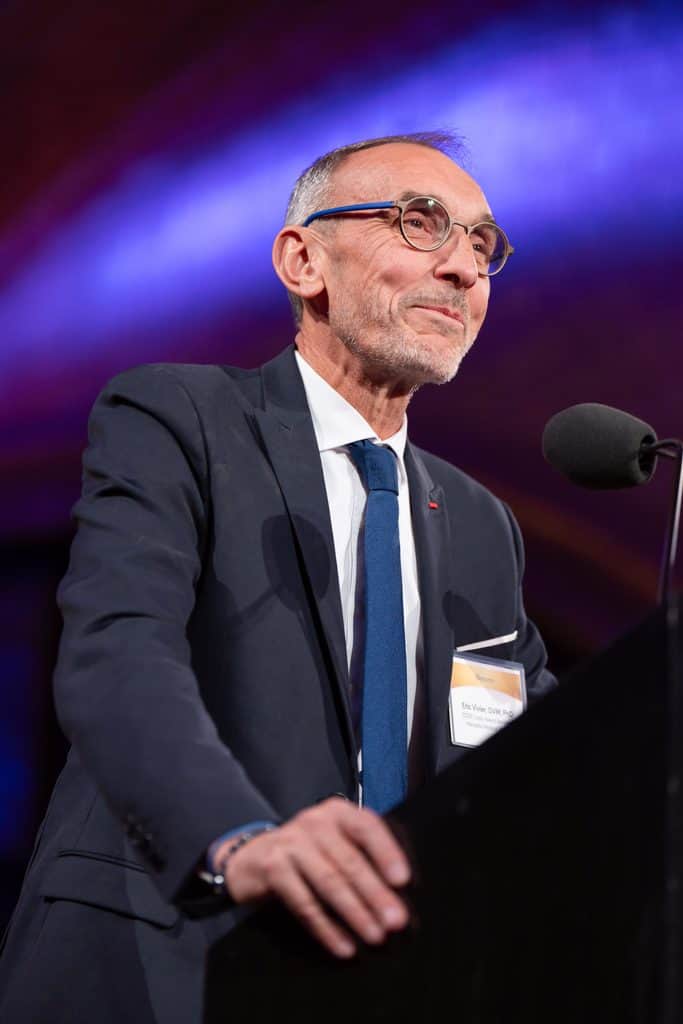
Eric Vivier, DVM, PhD, received the William B. Coley Award for Distinguished Research in Basic Immunology, recognizing his pioneering contributions to the study of natural killer (NK) cells and innate immunity.
NK cells are immune cells that can recognize and destroy cancer cells. Dr. Vivier, a professor of immunology at Marseille Medical School and President of the Paris-Saclay Cancer Center, has helped reveal how this part of the immune system works and how it might be harnessed against cancer.
His leadership as a co-founder of Innate Pharma has also helped bring discoveries in innate immunity into clinical development. His career reflects the value of fundamental research in creating new possibilities for cancer treatment.
“This huge recognition carries a message I hold dear, which is that basic research is not the nurture; it is a source of innovation and progress,” said Dr. Vivier during his remarks. “Every therapy that features a patient today began as a fundamental question. So, if we stop asking those questions, we also stop curing diseases.”
Dr. Joseph Sun and the Discovery of NK Cell Memory
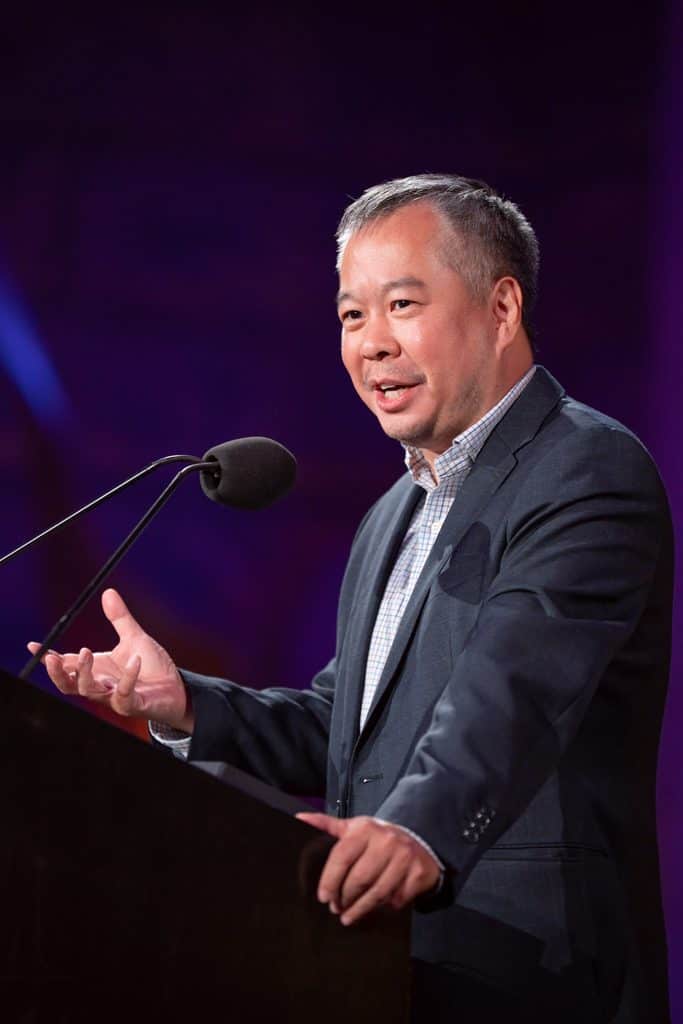
Joseph Sun, PhD, received the Frederick W. Alt Award for New Discoveries in Immunology, which recognizes a former CRI postdoctoral fellow whose research has made a major impact on immunology.
“Lewis Lanier gave me the freedom to explore new and perhaps even heretical ideas, at least according to the textbooks, in order to reshape paradigms,” Dr. Sun said during his remarks. “Being a scientist means that you never stop being inspired.”
Dr. Sun demonstrated that NK cells can expand and form long-lived memory following viral infection, challenging longstanding assumptions about the boundaries between innate and adaptive immunity. His research at Memorial Sloan Kettering Cancer Center continues to explore immune memory, with implications for the development of future immunotherapies.
He made his landmark NK cell memory discovery as a CRI Irvington Postdoctoral Fellow in the laboratory of CRI Scientific Advisory Council member Lewis Lanier, PhD, at the University of California, San Francisco, from 2007 to 2009. His recognition highlights the lasting value of investing in scientists early in their careers.
Supporting the Science Patients are Waiting For
The work recognized at this year’s gala points to the importance of giving scientists the time and resources to pursue questions that could change cancer treatment. Discoveries about immune cells can open new directions for research, while sustained support helps those ideas advance.
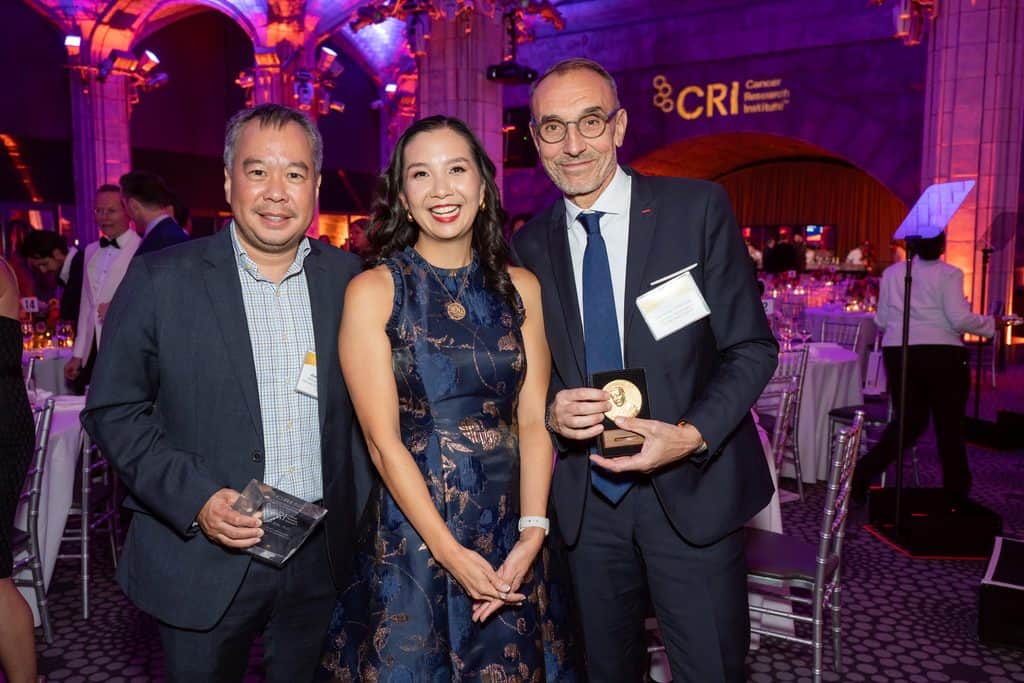
For patients and families, the goal is personal: more effective treatment options and more time with the people they love. Continuing to invest in research gives scientists the opportunity to work toward that future.
CRI extends its gratitude to gala co-chairs Brian J. Brille, Georgia and Don Gogel, and Betsy and Paul Shiverick, and to everyone whose support helps keep cancer immunotherapy research moving forward.
As Molly said: “I got my moonshot. Let’s make sure the next person gets theirs too.”