
Cancer Vaccines
Learn how cancer vaccines help prevent and treat cancer
Cancer vaccines are a type of immunotherapy that train your immune system to recognize and destroy cancer cells. There are different types of cancer vaccines, and they work in different ways. Some cancer vaccines help prevent cancer from developing, while others are designed to treat cancer that already exists.
The science behind cancer vaccines builds on the proven success of vaccines used to prevent infectious diseases. For more than 200 years, vaccines have helped protect people from serious illnesses by teaching the immune system to recognize specific markers, known as antigens. Researchers are now applying what we’ve learned to cancer prevention and treatment.
Vaccines for Cancer Prevention
Preventive vaccines, such as those used to protect against infectious diseases, work by exposing your body to a weakened or inactivated form of a virus or bacteria. This helps your immune system learn to recognize specific markers on these threats, called antigens, and build defenses against them. Preventive vaccines are most effective when given before an infection occurs.
Vaccines for Cancer Treatment
Developing therapeutic cancer vaccines is more challenging for several reasons. Unlike bacteria and viruses, which your immune system clearly recognizes as foreign, cancer cells closely resemble normal, healthy human cells, making them harder to detect. Each cancer is also unique, with its own set of antigens.
How Do Cancer Vaccines Target Cancer Cells?
Cancer vaccines use different strategies to help your immune system find and attack cancer. Many vaccines use more than one of the approaches below:
| Cancer Vaccine Strategy | WHY IT WORKS |
|---|---|
| Targets virus-infected cancer cells | Cancer cells infected by viruses display viral antigens which vaccines can help your immune system recognize and attack. |
| Identifies cancer antigens | Cancer cells often display abnormal proteins or produce proteins at unusually high amounts which vaccines can help your immune cells detect and respond to. |
| Targets cancer-only changes | Cancer cells can carry cancer-specific changes, such as genetic mutations, which vaccines can specifically target, sparing healthy tissues. |
| Boosts immune activity | Cancer cells can evade immune detection, and vaccines can activate multiple parts of the immune system to improve the immune response against them. |
What Cancer Vaccines Have Been Approved by the FDA?
Five cancer vaccines have been approved by the U.S. Food and Drug Administration (FDA) to help prevent cancer by protecting against cancer-causing viruses or to treat existing cancers. The table below gives a quick overview of FDA-approved cancer vaccines. Keep reading to learn more about each vaccine and the cancer types they target.
| Cancer Vaccines Approved by the FDA | |||
|---|---|---|---|
| VACCINE TYPE | VACCINE NAME | CANCER TYPE | YEAR APPROVED |
| Preventive | Human papillomavirus vaccines (HPV; e.g., Gardasil-9®) | HPV-related cancers such as cervical cancer and head and neck cancers | 2006 |
| Hepatitis B vaccines | Liver cancer | 1981 | |
| Therapeutic | Sipuleucel-T (Provenge®) | Metastatic prostate cancer | 2010 |
| Bacillus Calmette-Guérin (BCG) | Early-stage bladder cancer | 1990 | |
| Talimogene laherparepvec (T-VEC; Imlygic®) | Unresectable melanoma | 2015 | |
Preventive Cancer Vaccines
Preventive cancer vaccines do not treat cancer. Instead, they protect against viral infections that can later cause cancer. Globally, about 15-20% of cancers are linked to viral infections, making these cancers uniquely preventable. For example, nearly all cervical cancers and some head and neck cancers are caused by HPV, while liver cancer can be caused by chronic hepatitis B infection. All preventive cancer vaccines currently approved by the FDA are to protect people against HPV and hepatitis B infections.
| FDA-APPROVED PREVENTIVE VACCINES | |
|---|---|
| HPV vaccines (e.g., Gardasil® and Gardasil-9) |
|
| Hepatitis B (HBV) vaccines |
|
Therapeutic Cancer Vaccines
Therapeutic cancer vaccines treat cancer that is already present by training the immune system to better recognize and attack cancer cells. Unlike viruses and bacteria, which share recognizable features, each cancer has its own unique set of antigens, or markers. Scientists can now identify these markers, allowing the development of therapeutic vaccines for each patient’s cancer.
There are a few different types of cancer antigens. Some antigens are proteins that are found in healthy cells but are produced at unusually high levels by cancer cells. In other cases, antigens are proteins that are produced by viruses that have infected cancer cells. For example, prostatic acid phosphatase (PAP) is produced by the prostate gland under normal conditions. However, prostate cancer cells can produce it in excess. This makes PAP a good target for a cancer vaccine. In 2010, the FDA approved sipuleucel-T (Provenge®), which targets PAP, for patients with advanced prostate cancer.
Another example of a therapeutic cancer vaccine is Bacillus Calmette-Guérin (BCG), a vaccine that contains weakened bacteria. BCG was originally used to treat patients with tuberculosis but was later found to stimulate a strong immune response against bladder cancer. It became the first FDA-approved immunotherapy in 1990 and remains the standard treatment for patients with early-stage bladder cancer today.
In addition to FDA-approved therapeutic vaccines, researchers are developing personalized therapeutic vaccines designed to target features unique to an individual patient’s cancer.
| FDA-Approved Therapeutic Vaccines | |
|---|---|
| Bacillus Calmette-Guérin (BCG) |
|
| Sipuleucel-T (Provenge) |
|
| Talimogene laherparepvec (T-VEC; Imlygic) |
|
Personalized Therapeutic Cancer Vaccines (Neoantigen Vaccines)
While some therapeutic cancer vaccines target proteins that are overproduced in cancer cells, others are designed to target cancer cell markers that arise from genetic mutations. These types of markers are called neoantigens (“new antigens”) and appear only on cancer cells, not healthy cells. Because of this, neoantigen vaccines can precisely target cancer cells while sparing healthy cells, potentially reducing side effects.
Several types of neoantigen vaccines are currently in clinical trials, both as single treatments and in combination with other therapies, for various cancer types. So far, the most promising results have been seen in patients with melanoma, pancreatic cancer, and lung cancer.
One way these personalized therapeutic vaccines are being developed is through mRNA-based technology, which delivers instructions that help the immune system recognize tumor-specific neoantigens. mRNA-based vaccines can be customized to target up to 34 unique mutations in a patient’s tumor, triggering a targeted immune response. When combined with immune checkpoint inhibitors (ICIs), early studies show these vaccines can reduce the risk of cancer recurrence or death by up to 44% compared to standard treatment.
What New Types of Cancer Vaccines Are Being Developed?
Researchers are continuing to explore new approaches to cancer vaccines, with the goal of improving effectiveness, expanding access, and addressing more cancer types. Some very active areas of vaccine research and development are listed below:

mRNA cancer vaccines: These personalized vaccines are tailored to each patient’s unique tumor genetic mutations. mRNA vaccines can be used alone or in combination with other immunotherapies. Early clinical studies in melanoma suggest improved outcomes when paired with ICIs.

Simplified HPV vaccination schedules: Based on recent studies, the World Health Organization (WHO) now recommends a single dose of HPV vaccine for most adolescents and young adults, with additional doses recommended for certain people based on risk.

Epstein-Barr virus (EBV) vaccines: New therapeutic vaccines targeting EBV-related cancers are in early clinical trials. EBV is linked to certain lymphomas, nasopharyngeal cancer, and other malignancies.
Do Cancer Vaccines Have Any Side Effects?
Yes, they can. Side effects from cancer vaccines are generally different from those associated with some other cancer treatments (like chemotherapy or radiation). This is because cancer vaccines work by activating the immune system rather than directly targeting cancer cells.
Side effects can vary depending on the type of vaccine and what it targets, the location of the cancer, and the patient’s overall health. Patients should discuss potential risks and side effects associated with specific cancer vaccines with their health care team. Common side effects include anorexia, back pain, chills, fatigue/malaise, fever, flu-like symptoms, headache, joint ache, myalgia, nausea, and neuralgia.
If you are currently experiencing side effects or unusual symptoms, contact your health care team immediately.
HPV Vaccines: Success in Preventing & Eliminating Cervical Cancer
HPV vaccines are among the most successful cancer prevention tools ever developed. Since 2006, over 135 million doses of HPV vaccines have been administered in the U.S., with extensive monitoring and long-term follow-up studies confirming both their safety and effectiveness.
- In Scotland, a groundbreaking study published in 2024 found zero cases of cervical cancer among women who received the HPV vaccine at ages 12–13, after more than a decade of follow-up. This represents an entire generation protected from a once-common cancer.
- In the Netherlands, women who received the HPV vaccine showed a 92% lower risk of developing cervical cancer compared to those who were unvaccinated.
These outcomes and others emerging worldwide demonstrate that HPV vaccination programs are not only preventing infections, they are driving cervical cancer toward elimination.
>135M
HPV vaccine doses safely administered in the U.S. since 2006
158
Countries that include HPV vaccination in national programs
≤90%
Decline in cervical cancer rates in countries with strong vaccination programs
CRI’s Role in Supporting Cancer Vaccine Research
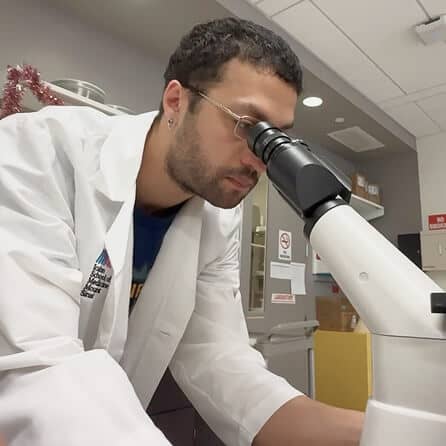
For more than 70 years, CRI has helped lay the scientific groundwork for cancer vaccines. Our support has advanced discoveries showing how the immune system can recognize cancer, how vaccines can strengthen that response, and how new technologies can help design even more effective treatments. These breakthroughs have helped create real options for patients and continue to guide the next generation of cancer vaccine research.
Pioneering the Idea: The Immune System Can Target Cancer
Early work supported by CRI helped lay the foundation for a now well-established idea: the immune system can tell the difference between cancer cells and healthy cells. CRI scientists demonstrated that immune cells can detect antigens on cancer cells and, under the right conditions, eliminate them. This concept is the underlying foundation for all modern cancer vaccines, which work by “training” the immune system to more effectively recognize and attack cancer cells.
Identifying Cancer’s Unique Markers
CRI-funded research helped identify cancer cell antigens that the immune system can learn to recognize. This work also contributed to the discovery of neoantigens that make personalized cancer vaccines possible. Understanding these markers gives scientists a blueprint for designing vaccines that teach the immune system to zero in on cancer with far greater accuracy.
Advancing Personalized Vaccines
Early studies funded by CRI showed that personalized cancer vaccines can activate strong and highly specific immune responses. These vaccines are designed based on the DNA of a patient’s own cancer cells, creating an individualized treatment. Personalized vaccines offer the possibility of more precise, durable immune responses that adapt to the unique features of each patient’s cancer.
Innovating the Next Generation of Cancer Vaccines
CRI is currently supporting a new wave of research that uses data science, computational modeling, and advanced protein design to create smarter, more effective vaccines. These approaches make it possible to discover better vaccine targets, design vaccines more precisely, and test ideas more quickly than ever before.
Accelerating Progress Through Clinical Trials
CRI’s network of clinicians help bring scientifically sound vaccine strategies from the laboratory into the clinic where patients can directly benefit. These programs accelerate testing, enable combination therapy trials, design more precise cancer vaccines to generate stronger immune responses, and improve personalized vaccine strategies. Together, these innovations are paving the way for more accurate, potent, and widely accessible cancer vaccines.
Last updated
A Patient’s
Guide to Cancer Immunotherapy
Your path to understanding immunotherapy — guided by survivors, experts, and hope.

Find a Clinical Trial Near You

Review Patient Resources
Find trusted answers about cancer immunotherapy, treatment options, and more.

Sources
What Are Cancer Vaccines?
(2025) American Cancer Society
Cancer Treatment Vaccines
(2019) National Cancer Institute
Human Papillomavirus (HPV) Vaccines
(2021) National Cancer Institute
Impact of the HPV Vaccine
(2024) Centers for Disease Control and Prevention
Human Papillomavirus Vaccines: WHO Position Paper, December 2022
(2022) WHO
WHO Adds an HPV Vaccine for Single-Dose Use
(2024) WHO
No Cervical Cancer Cases Detected in Vaccinated Women Following HPV
Immunisation
(2024) Public Health Scotland
Invasive Cervical Cancer Incidence Following Bivalent HPV Vaccination: A National Linkage Study
(2024) Journal of the National Cancer Institute
The Effect of Bivalent HPV Vaccination Against Invasive Cervical Cancer and Cervical Intraepithelial Neoplasia Grade 3 (CIN3+) in the Netherlands: A Population-Based
Linkage Study
(2025) Lancet Regional Health Europe
Adding a Personalized mRNA Cancer Vaccine to Immunotherapy May Prolong Recurrence-Free Survival in Patients with High-Risk Melanoma
(2023) American Association for Cancer Research
Moderna and Merck Announce mRNA-4157/V940 Met Primary Efficacy Endpoint in Phase 2b KEYNOTE-942
(2022) Merck
Individualised Neoantigen Therapy mRNA-4157 (V940) Plus Pembrolizumab Versus Pembrolizumab Monotherapy in Resected High-Risk Melanoma
(2024) The Lancet
Provenge (sipuleucel-T) Prescribing Information
(2010) U.S. FDA
IMLYGIC (talimogene laherparepvec) Prescribing Information
(2015) U.S. FDA
FDA Approves T-VEC to Treat Metastatic Melanoma
(2015) National Cancer Institute
Join CRI in Shaping the Future of Immunotherapy
Support the pioneering work of CRI in advancing immunotherapy.