
Women have long played a transformative role in science — often challenging convention, expanding knowledge, and opening new paths for discovery. The Cancer Research Institute (CRI) honors the researchers and leaders who have disrupted the status quo to advance human health.
From pioneers who reshaped the foundations of modern biology and medical regulation to scientists and leaders driving breakthroughs in cancer immunotherapy today and the patients stepping up for others, these eight women represent generations of courage, curiosity, and determination. Their work has informed how we understand disease, how we develop treatments, and how we care for patients — demonstrating that progress in science is driven not only by discovery, but by those willing to question what is possible.
Helen Coley Nauts | Co-Founder of the Cancer Research Institute
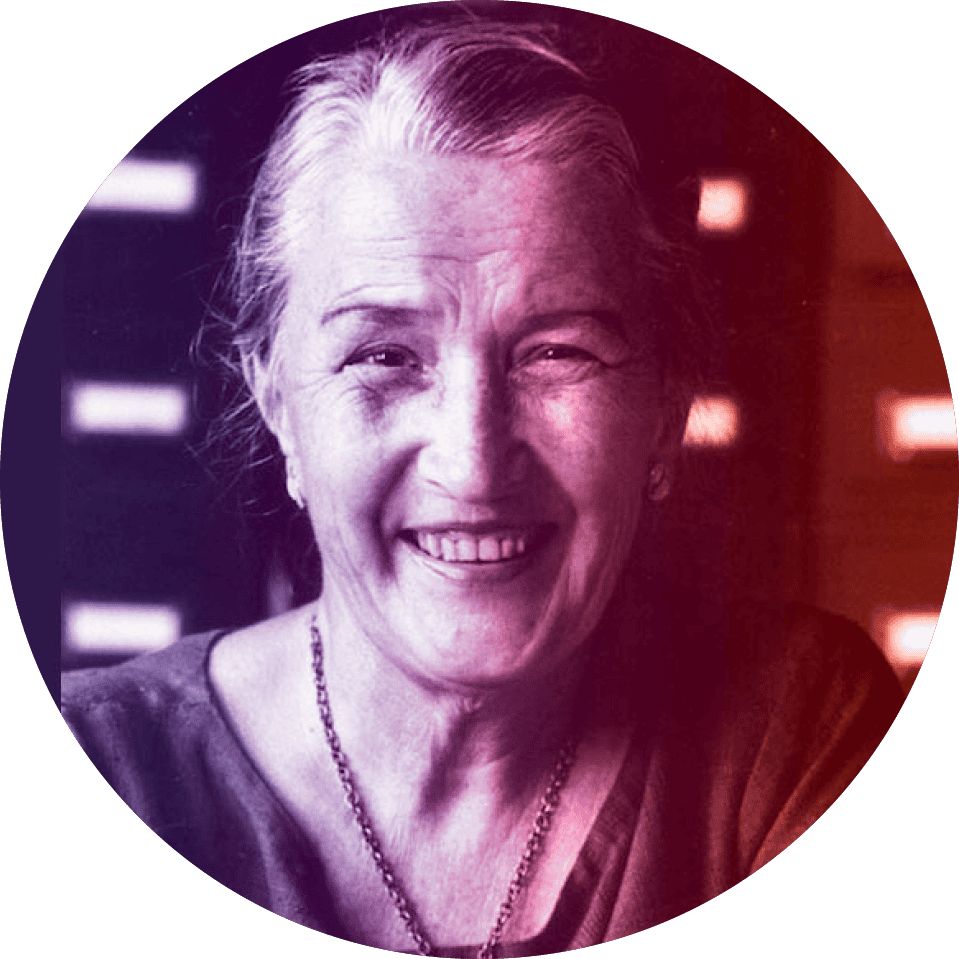
Helen Coley Nauts co-founded CRI in 1953, reigniting the field of cancer immunotherapy based on the pioneering work of her father, Dr. William B. Coley.
While writing her father’s biography after his death, Nauts uncovered his groundbreaking approach to cancer treatment: deliberately inoculating patients with live or partially killed bacteria to stimulate the immune system. This treatment – later known as “Coley’s Toxins” – was based on the observation that infections could sometimes trigger tumor regression, even in patients with advanced disease.
Determined to preserve and advance this work, Nauts spent two decades researching, documenting, and presenting her father’s findings. At a time when few women held leadership roles in science – and despite not being a scientist herself – she co-founded CRI with Oliver R. Grace to support research into the immune system and cancer.
Nearly three-quarters of a century later, CRI continues to drive innovation in cancer immunotherapy, supporting scientists whose discoveries are bringing new treatments to patients worldwide.
Frances Kelsey, MD, PhD | Medical Officer of the Food and Drug Administration (FDA)
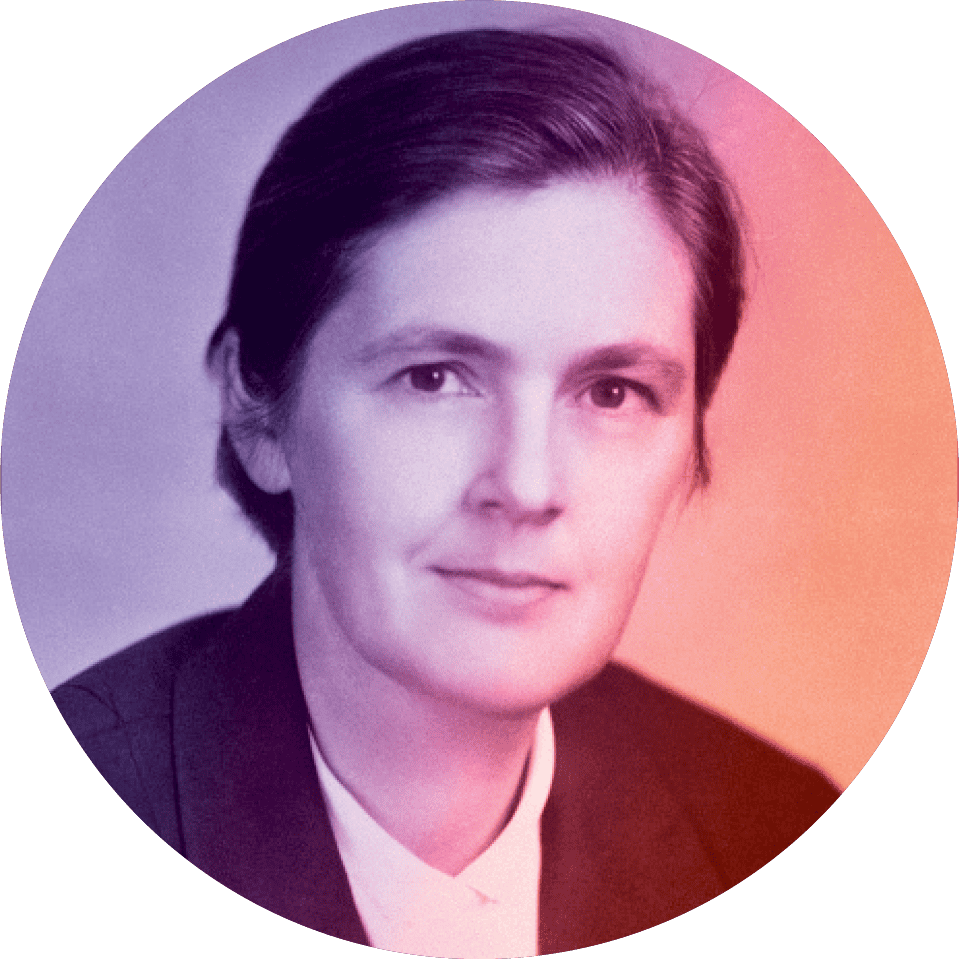
Dr. Frances Kelsey saved countless lives and permanently transformed pharmaceutical regulation.
In 1960, as a newly appointed medical officer at the U.S. Food and Drug Administration, Kelsey was tasked with reviewing the application for thalidomide — a drug widely used in Europe to treat morning sickness in patients who were pregnant. Concerned by insufficient safety data, she repeatedly refused to approve the drug in the United States, despite intense pressure from the pharmaceutical industry.
Her decision proved lifesaving. While thousands of infants abroad were born with severe birth defects linked to thalidomide, the drug was never approved in the U.S.
Kelsey’s actions not only prevented tragedy but also helped drive sweeping changes to drug regulation. New legislation required pharmaceutical companies to provide stronger evidence of both safety and effectiveness before a drug could reach the market.
For her courage and scientific integrity, Dr. Kelsey received the nation’s highest federal civilian service award – the President’s Award for Distinguished Federal Civilian Service – becoming only the second woman to receive the honor at the time.
Ironically, the thalidomide tragedy also led to policies that excluded women of childbearing potential from clinical trials, a restriction that remained in place until 1993 and contributed to the long-standing underrepresentation of women in clinical research.
Rosalind Franklin, PhD | Physical Chemist and Expert Crystallographer, King’s College, London
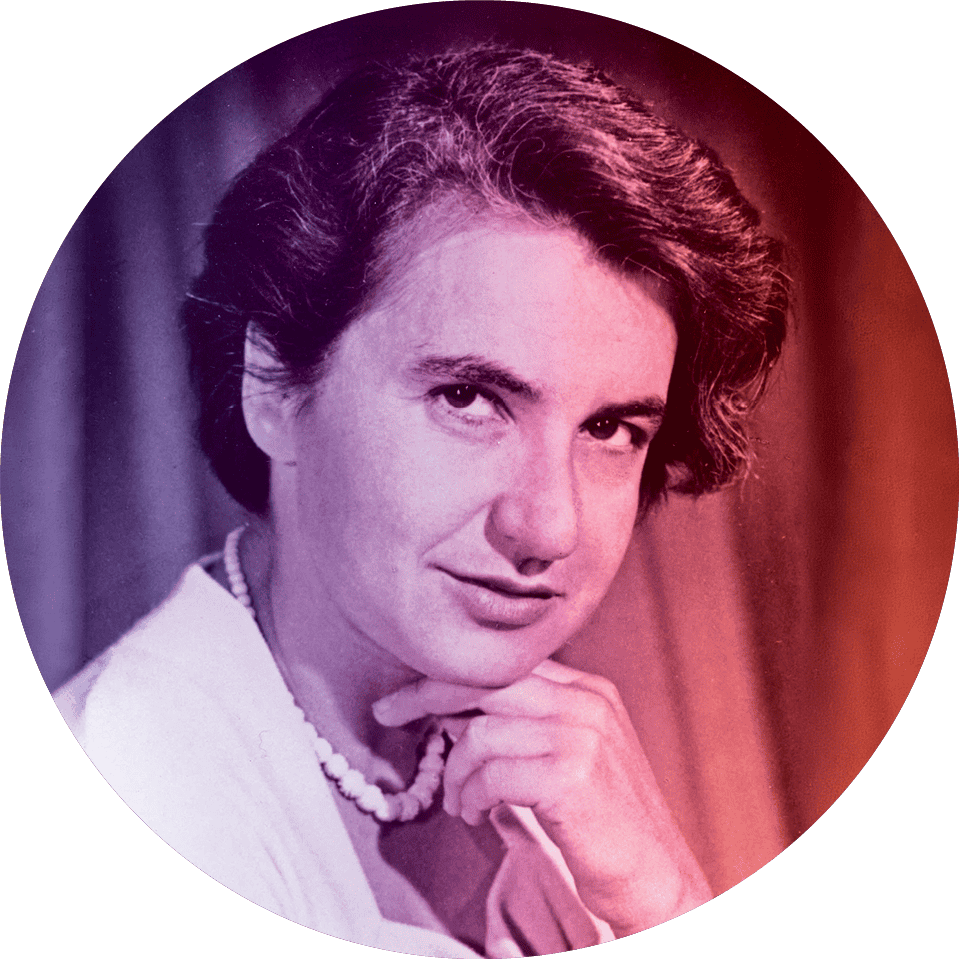
Dr. Rosalind Franklin was a British chemist and X-ray crystallographer whose work was essential to uncovering the structure of DNA.
Although James Watson and Francis Crick are widely credited with discovering the DNA double helix, Franklin’s precise X-ray diffraction images – and her interpretation of them – were instrumental in revealing the molecule’s structure. Her now-famous “Photograph 51” provided the clearest evidence yet of DNA’s helical form.
In the early 1950s, scientists knew that DNA existed in every cell and contained a phosphate backbone, but its full structure remained a mystery. Working alongside Maurice Wilkins, Franklin used X-ray diffraction to study DNA fibers, producing the critical data that would ultimately reveal the double helix.
Without her knowledge or permission, Photograph 51 was shown to Watson, whose collaboration with Crick soon produced a model of DNA’s structure. The pair published their findings in Nature in 1953, drawing on Franklin’s data without fully crediting her contributions.
Watson, Crick, and Wilkins were awarded the Nobel Prize in Physiology or Medicine in 1962. Franklin had passed away four years earlier from ovarian cancer at just 37 years old.
Despite her untimely death, Franklin’s discoveries laid the groundwork for decades of advances in genetics, molecular biology, and medicine — helping scientists unlock the fundamental code of life.
None of the work being carried out by CRI-funded scientists or the scientific community at large would have been possible without Dr. Franklin’s bold and visionary brand of science.
Miriam Merad, MD, PhD | Chair of the Department of Immunology and Immunotherapy, The Icahn School of Medicine at Mount Sinai
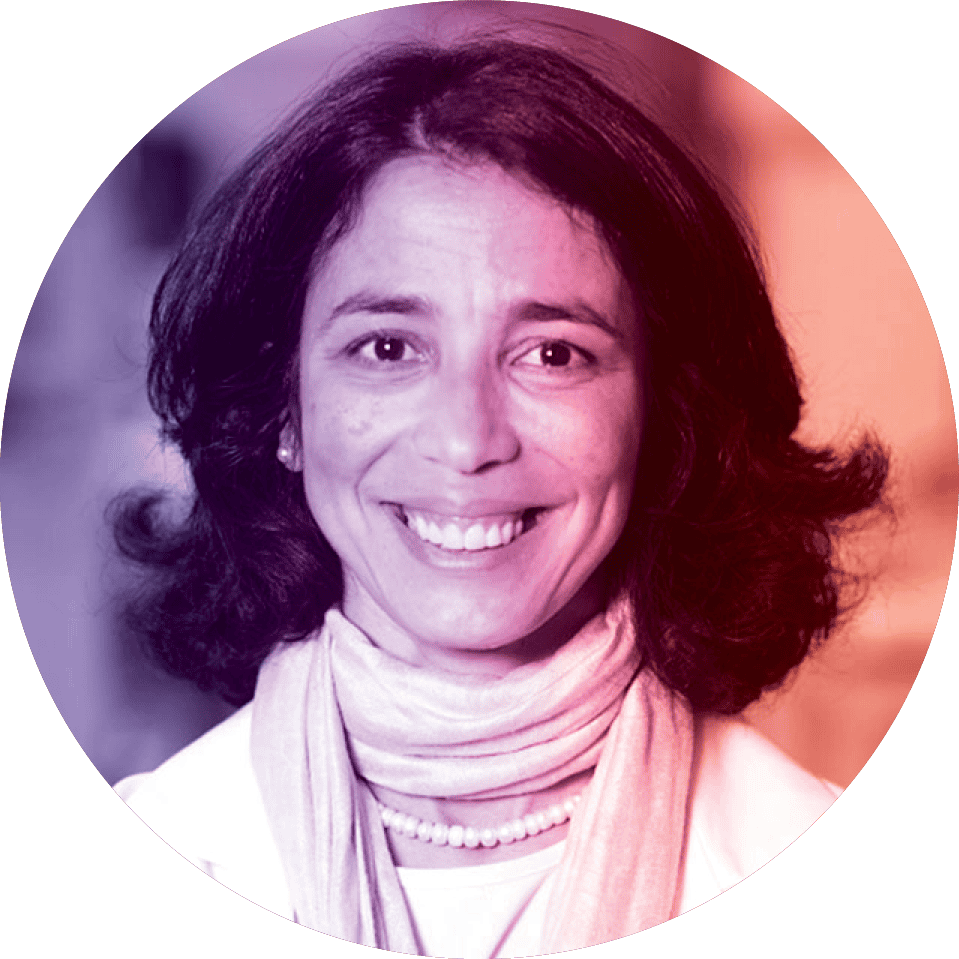
Dr. Miriam Merad is a visionary oncologist and immunologist whose research is transforming our understanding of the innate immune system and its role in disease.
Her pioneering work has revealed how immune cells can drive disease progression, opening new avenues for therapies targeting cancer and inflammatory conditions. By uncovering how tumors interact with the immune system, her research is helping guide the development of more effective treatments.
A strong advocate for translational science, Dr. Merad is committed to accelerating the path from laboratory discovery to patient care. Her laboratory is deeply integrated within the Mount Sinai research ecosystem, allowing her team to study primary patient samples and translate those insights into early-stage clinical trials.
Equally dedicated to mentorship, Dr. Merad has trained dozens of scientists, including postdoctoral fellows, PhD, and MD-PhD students. Alongside the researchers currently working in her lab, she continues to cultivate a culture of curiosity, collaboration, and innovation.
Dr. Merad also serves as a member of CRI’s Scientific Advisory Council, collaborating with other members to determine which individuals CRI chooses to invest in.
Elizabeth Jaffee, MD | Deputy Director, The Sidney Kimmel Comprehensive Cancer Center at Johns Hopkins
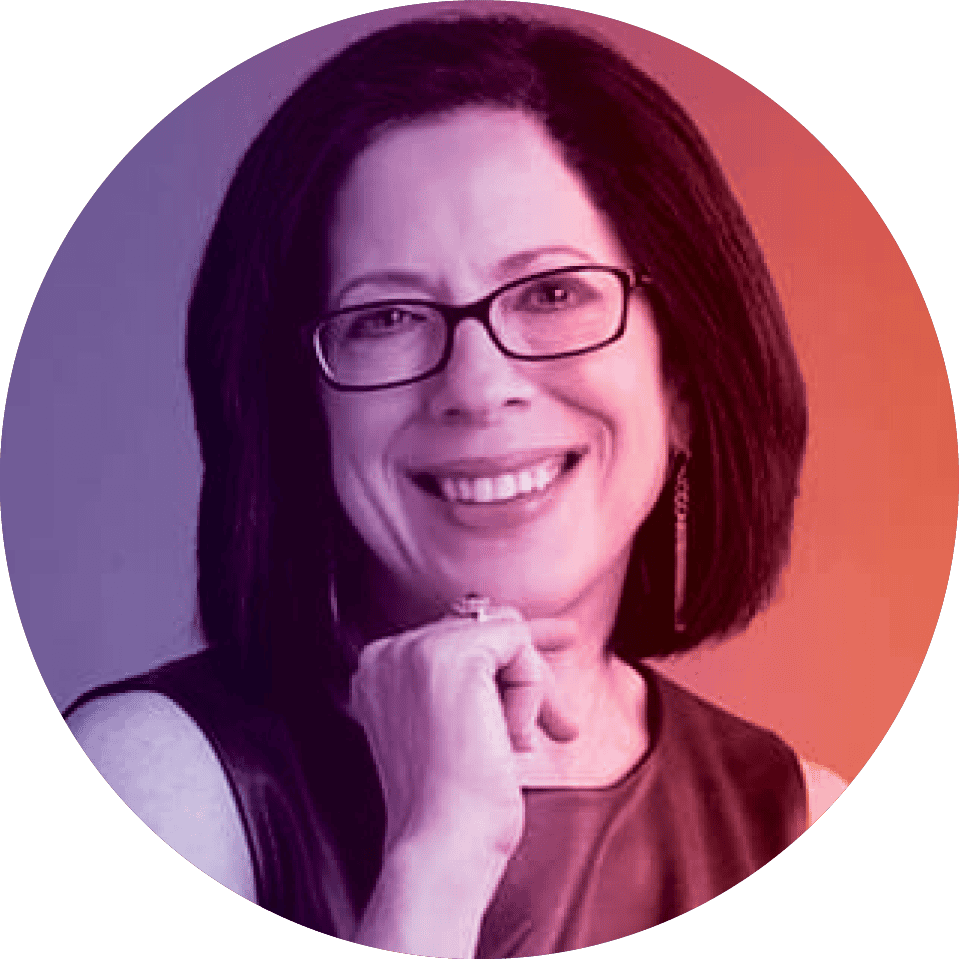
Dr. Elizabeth Jaffee is a pioneering leader in cancer immunotherapy whose work is reshaping the future of cancer treatment—particularly for pancreatic cancer.
Her research focuses on developing innovative vaccine-based approaches designed to overcome immune tolerance to tumors. She has led the development of a first-generation pancreatic cancer vaccine and holds multiple patents related to cancer vaccine technologies.
By bridging laboratory discovery with clinical application, Dr. Jaffee and her team are working to bring these advances directly to patients. Her vision is a future in which vaccines could prevent pancreatic cancer from ever developing.
Beyond her scientific achievements, Dr. Jaffee is deeply committed to mentoring the next generation of researchers. She selects trainees based on their talent and dedication to the mission, often maintaining lifelong professional relationships and collaborations with scientists who trained in her lab.
Dr. Jaffee also serves as Associate Director of CRI’s Scientific Advisory Council.
Karen Peterson | Stage 4 Cancer Survivor, Patient Advocate

Karen Peterson is one of the longest-living people in the United States diagnosed with stage 4 triple-negative breast cancer.
She was first diagnosed with stage 1 breast cancer and underwent extensive treatment, ultimately receiving a double mastectomy. Two years later, the cancer returned—this time as aggressive stage 4 disease. Her life expectancy was estimated at just 18 to 24 months.
Before her stage 4 diagnosis, Karen had already spent time educating herself about her cancer and the available treatment options. Determined to avoid the debilitating side effects of chemotherapy again—and aware that certain treatments could make her ineligible for clinical trials—she began searching for alternatives.
She found a phase 1 immunotherapy clinical trial and became the very first triple-negative breast cancer patient to enroll. She would go on to become one of the only complete responders in the study.
“I was given a 4% chance of survival,” Karen says. “And here I am.”
Today, Karen uses her experience to advocate for and educate others, encouraging patients to learn as much as they can about their diagnosis and treatment options. She participated in CRI’s Patient Roundtable in 2025 and founded Karen’s Club, an advocacy group dedicated to empowering cancer patients of color with the knowledge and confidence to pursue clinical trials that could extend – or even save – their lives.
Karen continues to work tirelessly to ensure that more patients are empowered to understand their diagnosis.
Sharon Belvin | Stage 4 Cancer Survivor, Patient and Research Advocate
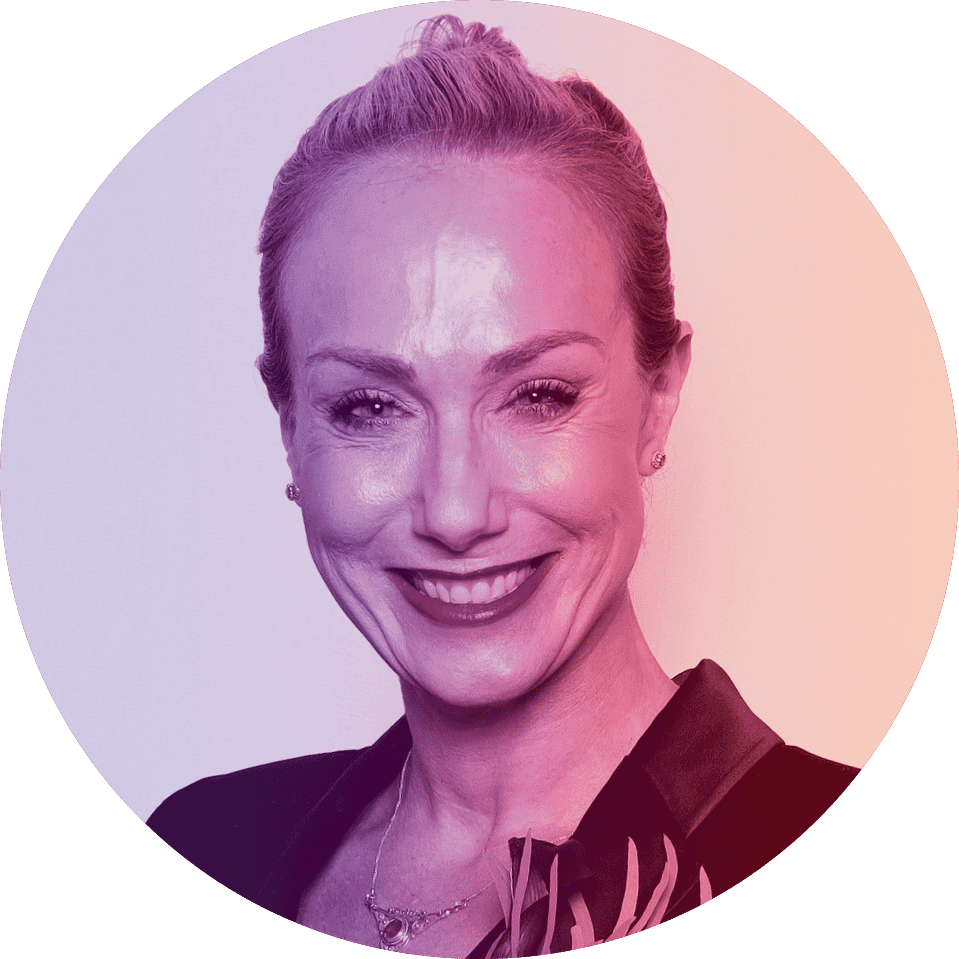
Sharon Belvin was just 22 years old when she was diagnosed with stage 4 melanoma. At the time, treatment options for advanced melanoma were extremely limited, and survival rates were low.
After multiple rounds of chemotherapy failed to stop her cancer, Sharon faced a devastating reality: she was running out of options. Her oncologist offered her one final possibility — a clinical trial for an experimental immunotherapy called ipilimumab, now known as YervoyⓇ.
Sharon became one of the first patients to enroll in the groundbreaking trial. After just four rounds of treatment, her tumors began to disappear. One year later, Sharon was declared cancer-free — and she remains so today.
Ipilimumab received FDA approval in 2011, transforming the treatment landscape for melanoma and helping launch a new era of cancer immunotherapy.
Decades after her diagnosis, Sharon is a wife, a mother of three, and an advocate for cancer research and clinical trials. She shares her story to encourage others facing cancer and to remind the world why continued investment in research matters.
“My life – and the lives of so many others – are proof that this work matters.”
Alicia Zhou, PhD | Chief Executive Officer, Cancer Research Institute

Dr. Alicia Zhou is the Chief Executive Officer of CRI, guiding the organization during a pivotal moment in the history of human health.
Under her leadership, CRI is strengthening scientific rigor, accelerating the translation of discoveries into treatments, and expanding global collaboration across basic, translational, and clinical immuno-oncology research.
Dr. Zhou brings a unique background that bridges scientific discovery and healthcare implementation. Prior to joining CRI, she served as Chief Science Officer at Color Health, where she led large-scale scientific initiatives and partnerships with organizations including the American Cancer Society and the National Institutes of Health to expand equitable access to cancer prevention and care.
In 2020, she led the development and deployment of COVID-19 diagnostics and large-scale testing infrastructure, including the drive-up testing program for San Francisco’s public health system. From navigating FDA regulatory approvals to designing high-capacity testing sites, her team demonstrated how mission-driven science can rapidly translate into public health impact.
Today, her leadership positions CRI to continue shaping the future of cancer immunotherapy, convening the best and brightest minds from across the globe to maximize the societal impact of these life-saving treatments.
From pioneering discoveries, modern breakthroughs, and fierce advocacy, the eight women highlighted here have reshaped the landscape of science and medicine – and they are just the tip of the spear.
Their collective work reminds us that progress is driven not only by new ideas but by the courage to challenge convention, the persistence to pursue difficult questions, the dedication to improve patients’ lives, and the courage to step into the unknown.
As cancer immunotherapy continues to evolve, the legacy of these trailblazers – and the work of those advancing the field today – serves as a powerful reminder that the future of science is built by those willing to disrupt the status quo.
Sources
The Woman Who Resurrected Cancer Immunotherapy
Cancer History Project (2021)
Her Refusal to Approve a Dangerous Drug Changed Medical History
The 19th (2025)
What Rosalind Franklin Truly Contributed to the Discovery of DNA’s Structure
Nature (2023)
Merad Lab
Icahn School of Medicine at Mount Sinai (2024)
A Conversation with Elizabeth Jaffee
J. Clin Invest. (2023)
Patient Facing Grim Prognosis Finds Her Way to Perlmutter Cancer Center & Makes Medical History
NYU Langone Health (2019)
A Leap of Faith That Changed Everything
Cancer Research Institute (2025)
Alicia Zhou: The Mission-Driven Biologist Building the Future of Immunotherapy
OncoDaily (2025)