
Immune to Cancer: The CRI Blog
-
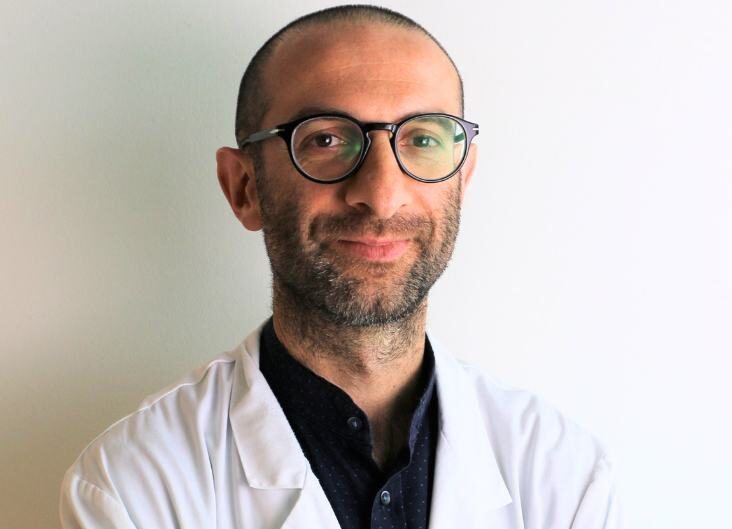
CRI Funded Scientist
Paolo Bossi, MD
Some mouth lesions, known as oral potentially malignant disorders (OPMDs), carry a significant risk of becoming cancerous… -

CRI Funded Scientist
Nina Bhardwaj, MD, PhD
Cancer is driven by genetic mutations that cause uncontrolled cell growth. Immunotherapies like neoantigen vaccines take advantage… -
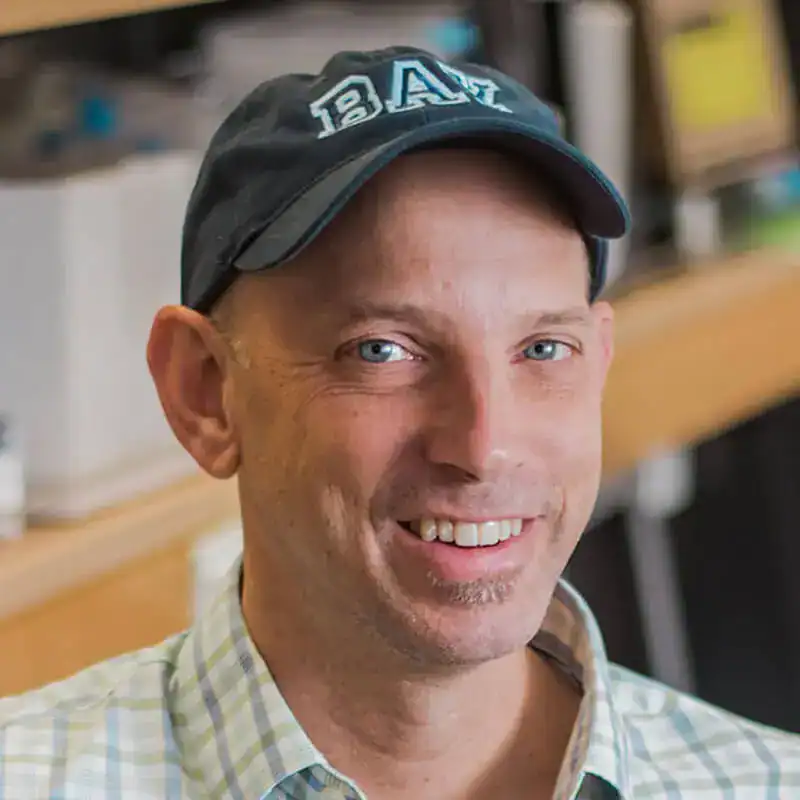
CRI Funded Scientist
Matthew Krummel, PhD
Traditional cancer therapies often rely on a single drug to do the job, but tumors are complex… -

CRI Funded Scientist
Arpita Desai, MD
Traditional cancer therapies often rely on a single drug to do the job, but tumors are complex… -
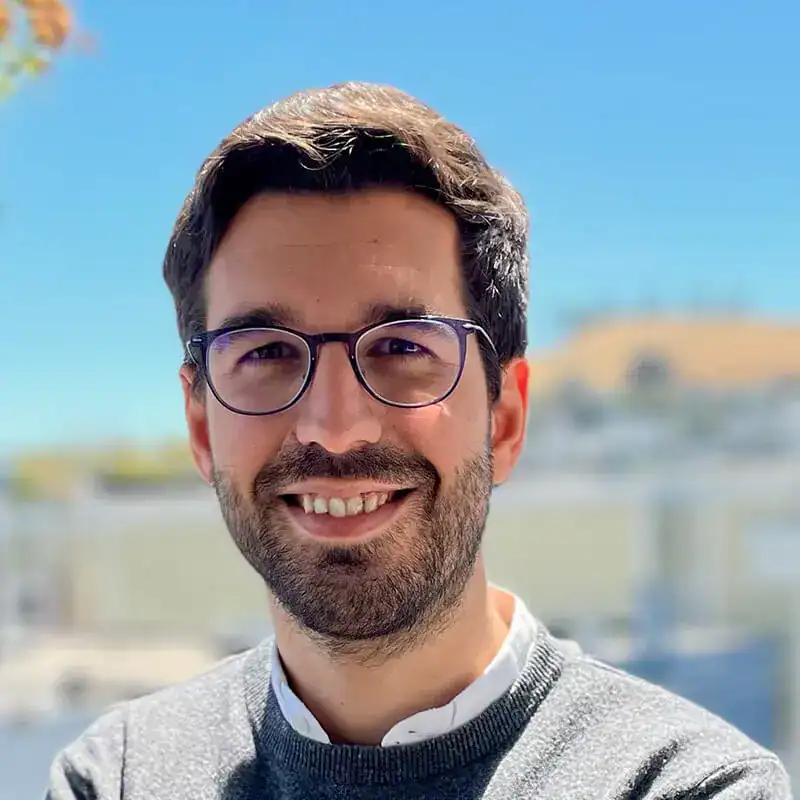
CRI Funded Scientist
Alexis Combes, PhD
Traditional cancer therapies often rely on a single drug to do the job, but tumors are complex… -
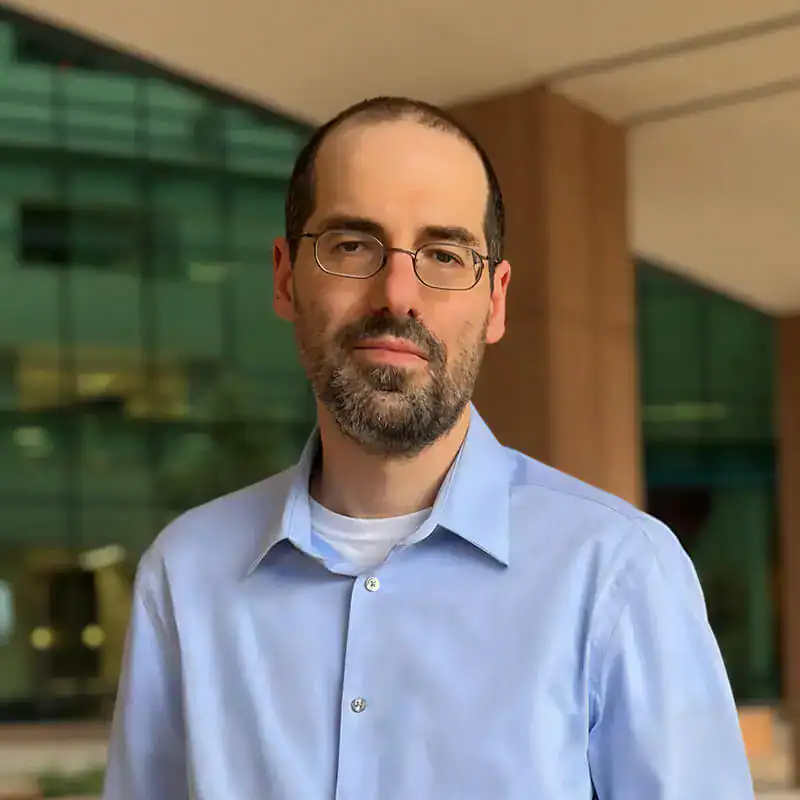
CRI Funded Scientist
Allon Wagner, PhD
Traditional cancer therapies often rely on a single drug to do the job, but tumors are complex… -
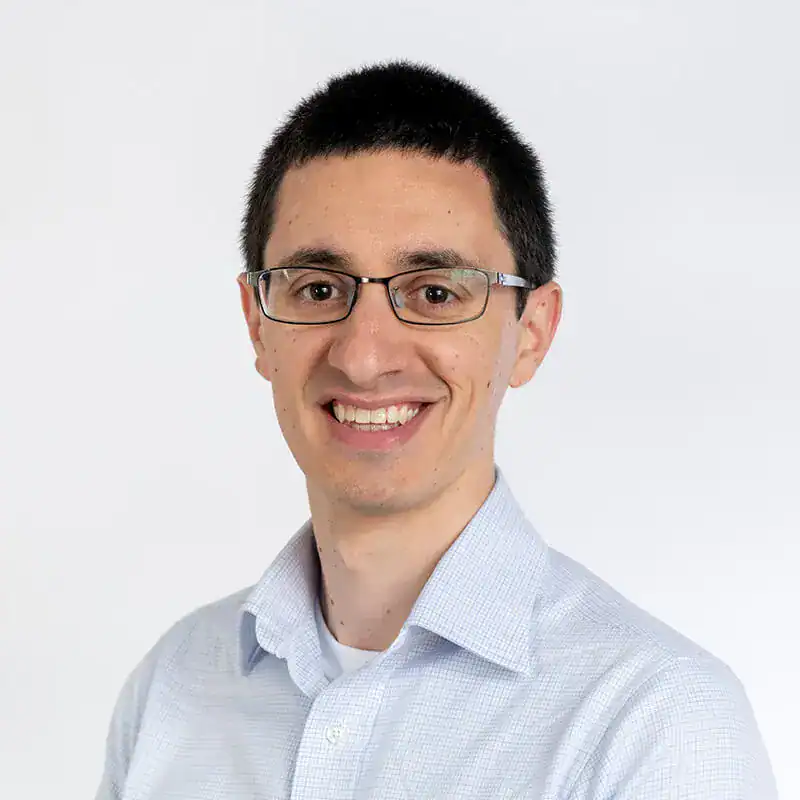
CRI Funded Scientist
Robert Manguso, PhD
CAR T cells, often called “living drugs,” are engineered from a patient’s own immune cells to hunt… -
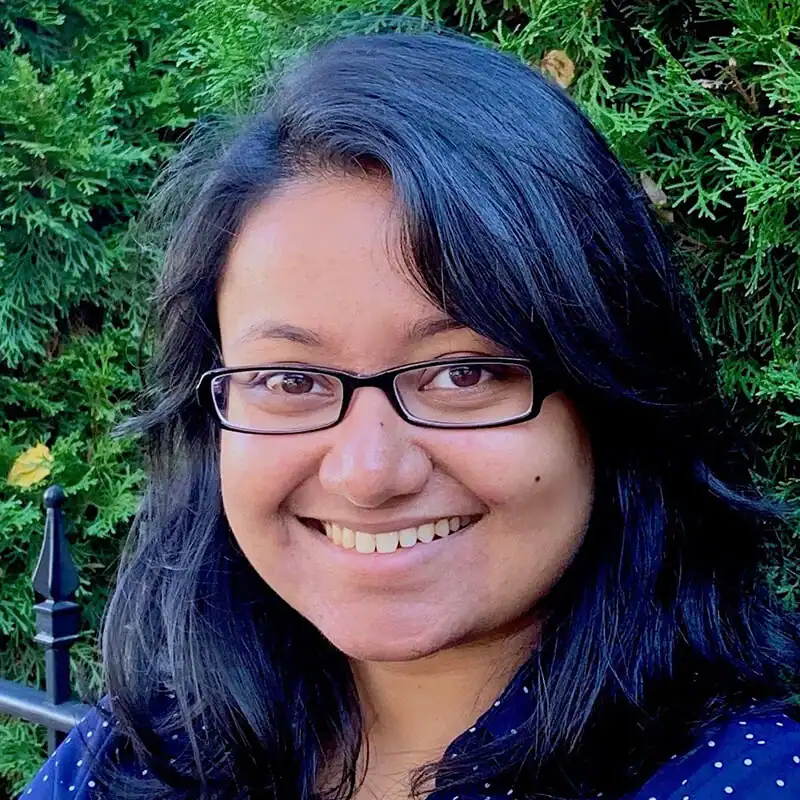
CRI Funded Scientist
Debattama Sen, PhD
CAR T cells, often called “living drugs,” are engineered from a patient’s own immune cells to hunt… -

CRI Funded Scientist
Daniel Puleston, PhD
Traditional research methods, such as clinical trials and lab tests using human cells, can’t always capture the…

Join CRI in Shaping the Future of Immunotherapy
Support the pioneering work of CRI in advancing immunotherapy.