
Immune to Cancer: The CRI Blog
-
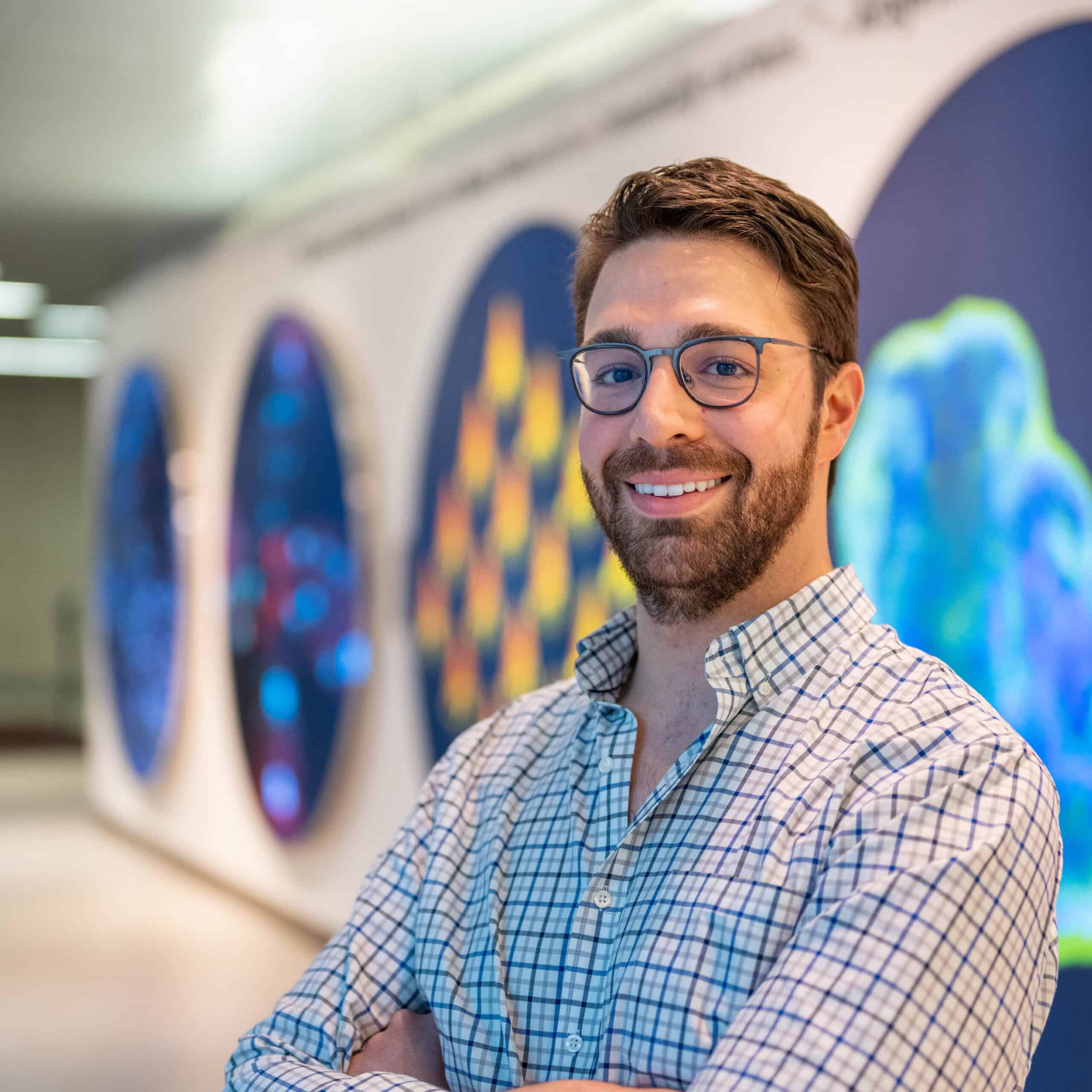
CRI Funded Scientist
Joseph Palmeri, PhD
Tumor-reactive CD8 T cells found in cancer patients are frequently dysfunctional, unable to halt tumor growth. While… -
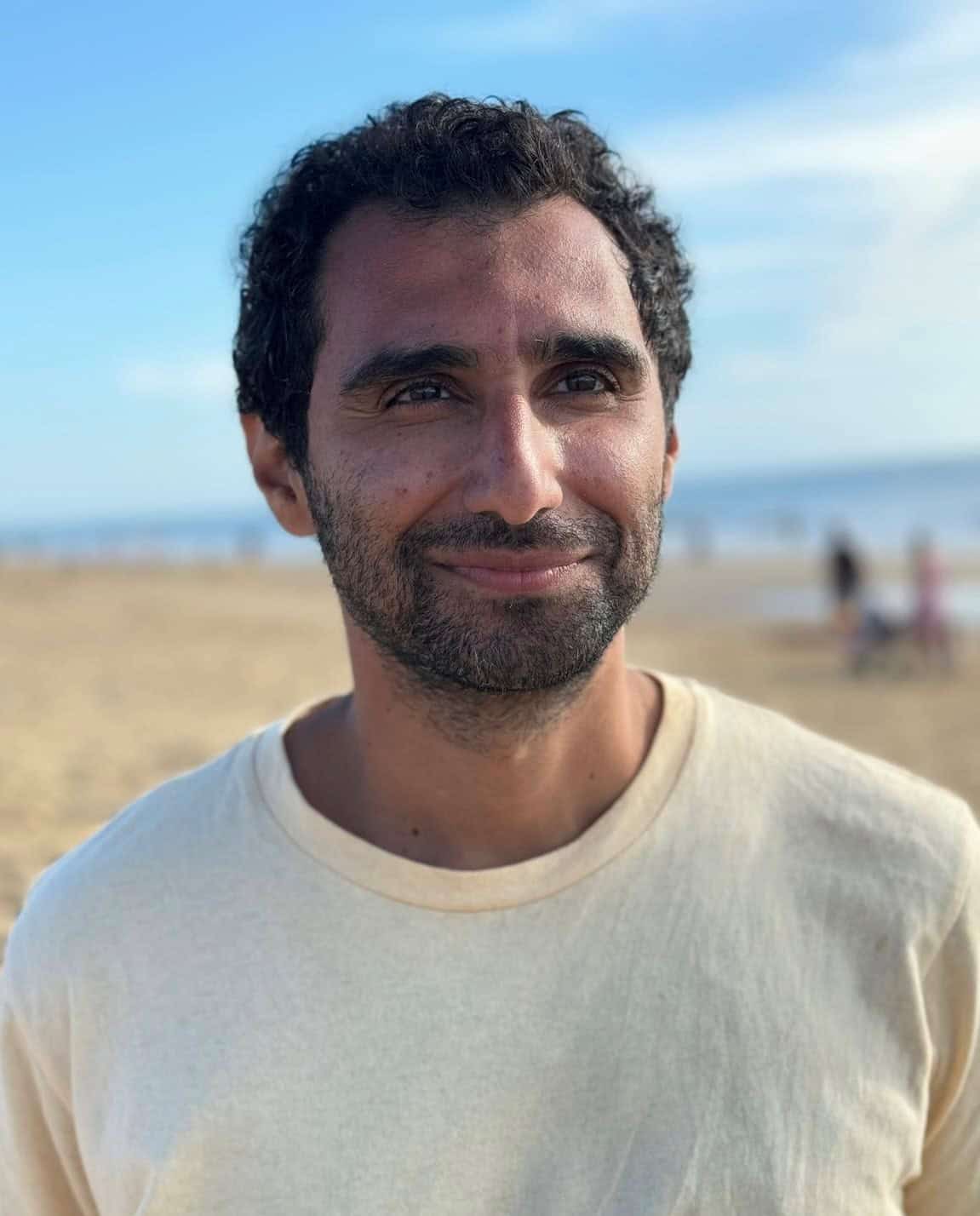
CRI Funded Scientist
Nader Yatim, MD, PhD
One of the most significant risk factors associated with cancer development is age. Despite important insights into… -
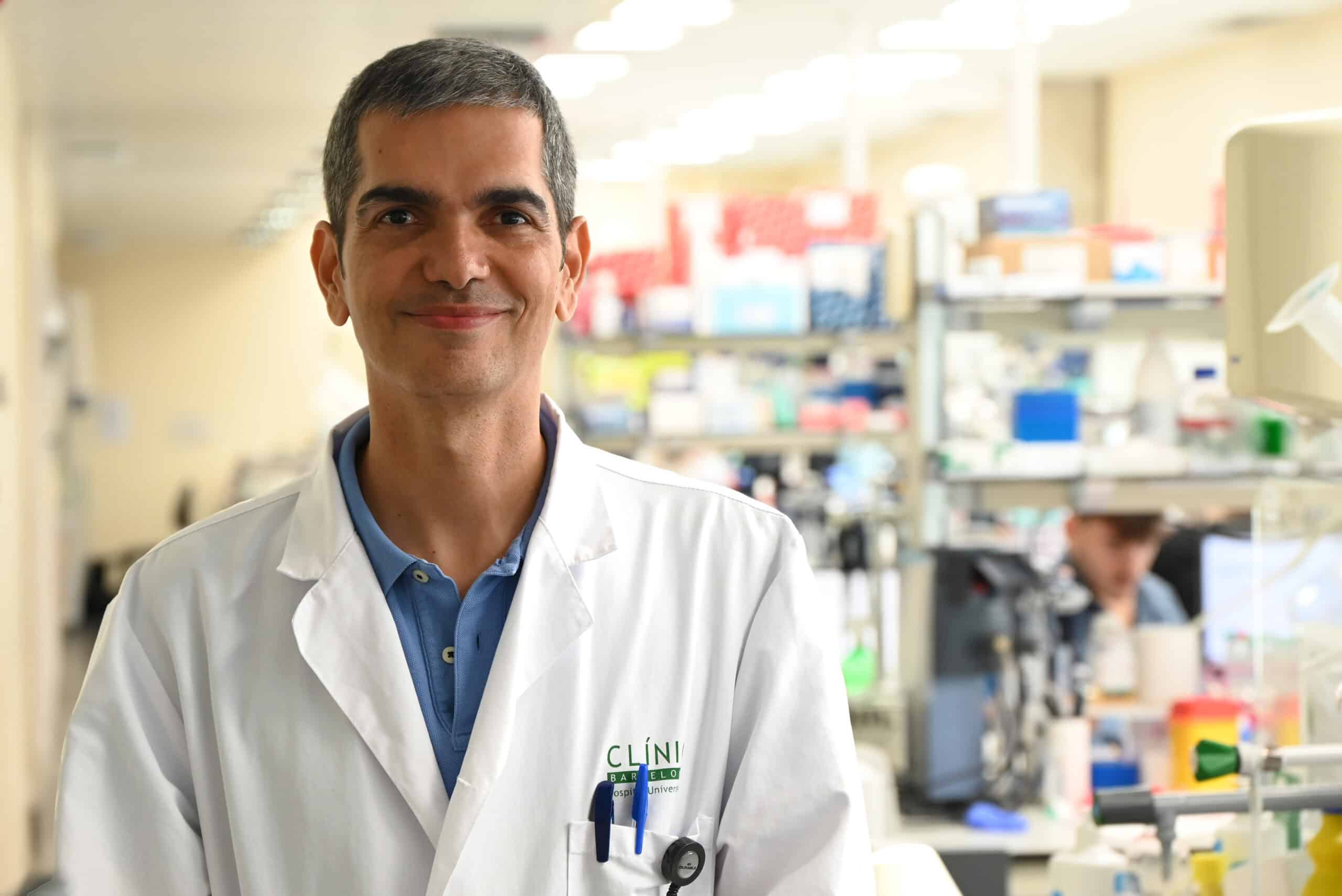
CRI Funded Scientist
Julio Delgado, MD
Richter’s Transformation Syndrome (RT) is a grave complication of chronic lymphocytic leukemia (CLL), leading to aggressive lymphoma… -

CRI Funded Scientist
Jennifer L. Clarke, MD
To safely and effectively target glioblastoma (GBM)-associated antigens (GAAs), Dr. Clarke has adopted a novel synthetic Notch… -

CRI Funded Scientist
Man Wu, PhD
The NLRP3 protein senses pathogenic invasions and damage-associated stimuli, and activates the inflammatory caspase-1, which cleaves pro-interleukin… -
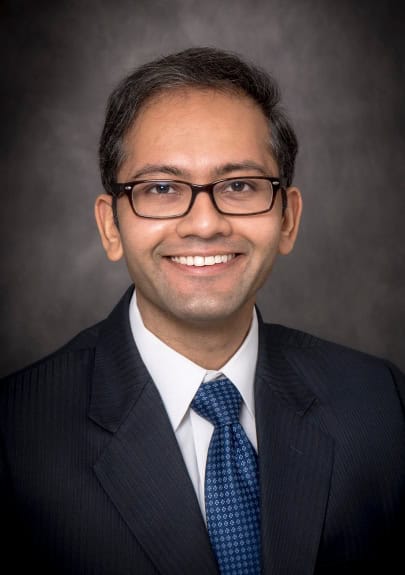
CRI Funded Scientist
Bilal A. Siddiqui, MD
Metastatic castration-resistant prostate cancer (mCRPC) has low responses to immune checkpoint therapy (ICT) monotherapies due to an… -
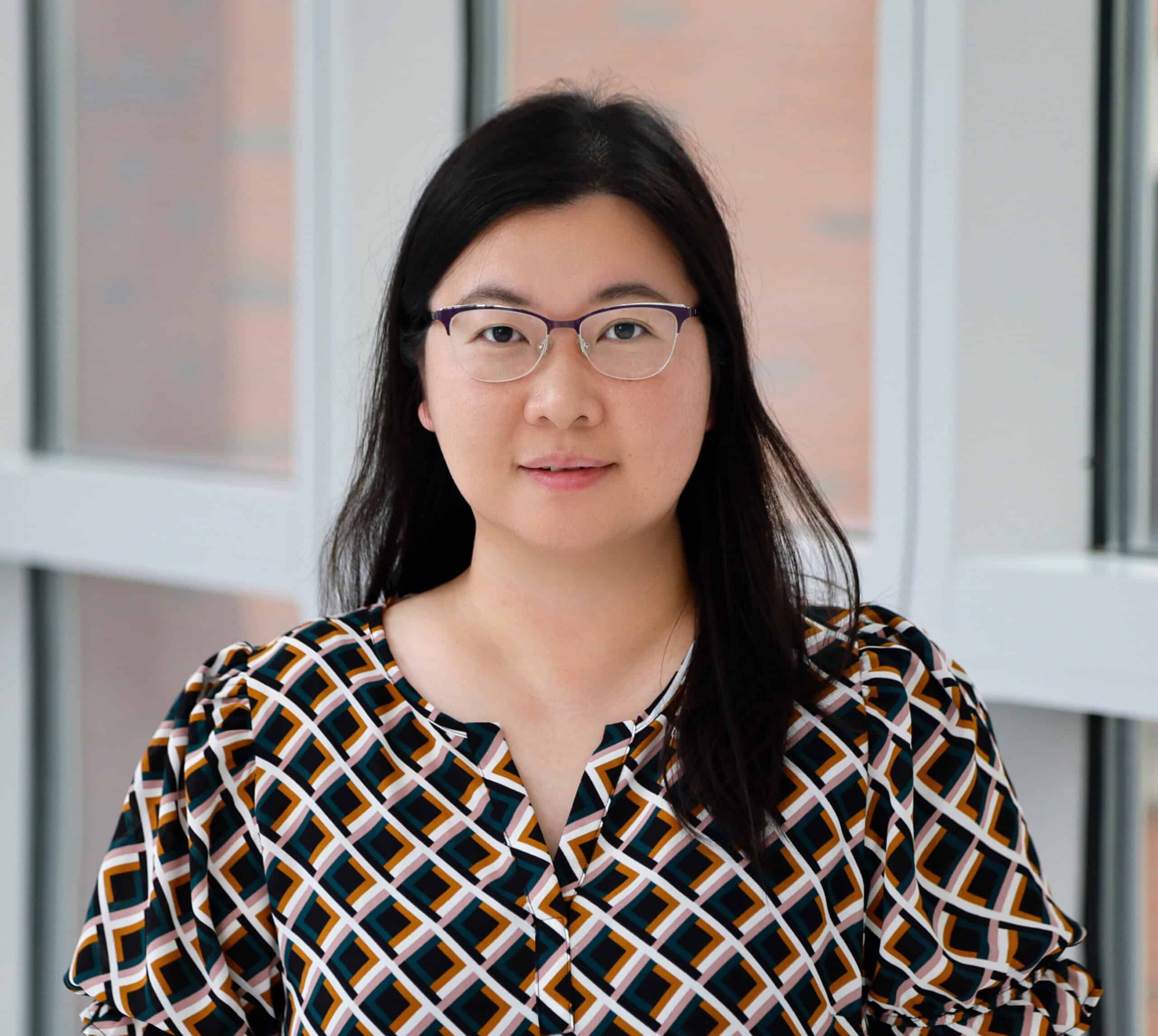
CRI Funded Scientist
Xue Han, PhD
In response to the limited treatment efficacy and high relapse rates in acute myeloid leukemia (AML), Dr…. -

CRI Funded Scientist
Thomas F. Gajewski, MD, PhD
Checkpoint blockade therapy ((antibodies (Abs) targeting PD-1, CTLA-4, and LAG-3p)) has revolutionized cancer treatment. However, not all… -
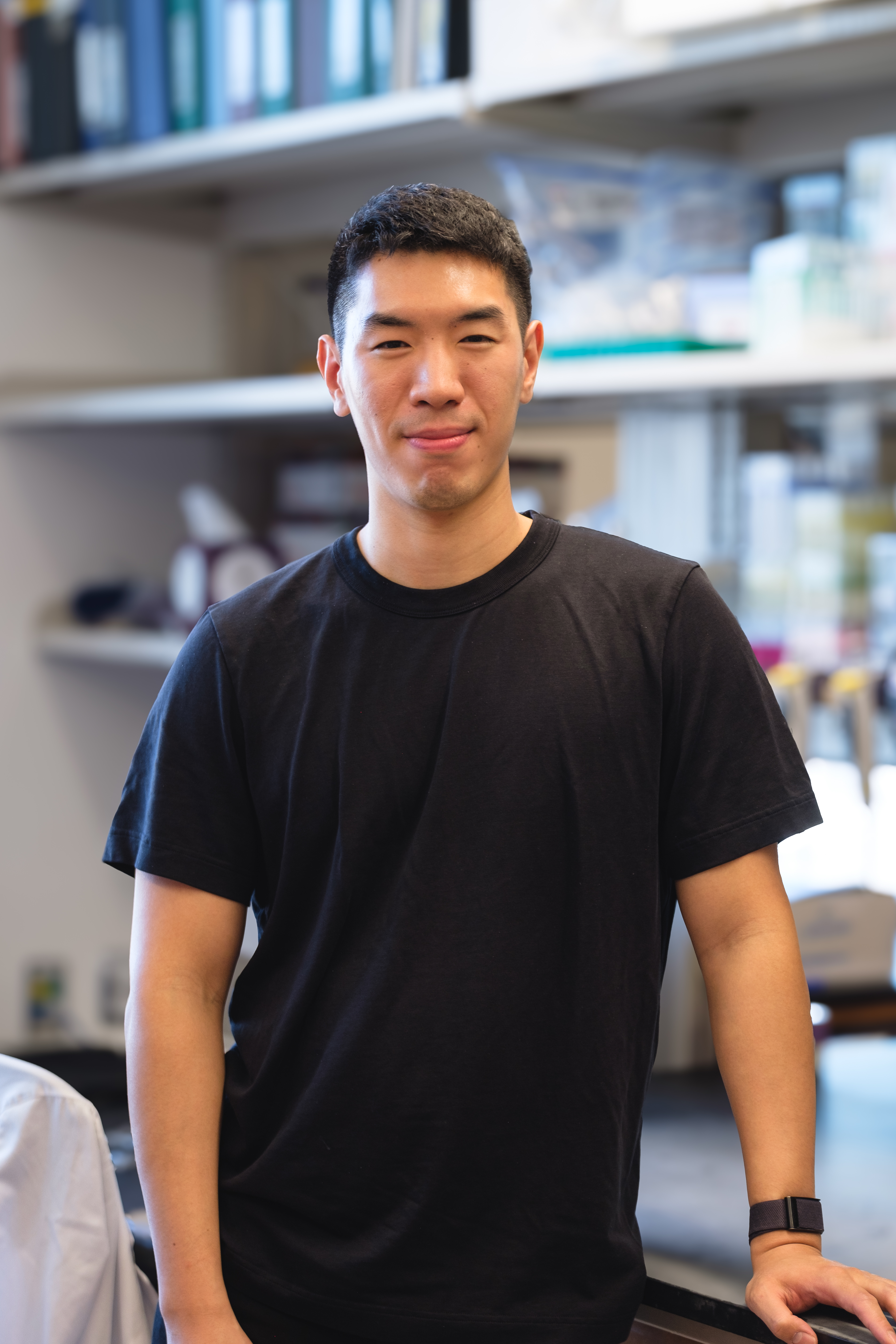
CRI Funded Scientist
Spencer Chen, PhD
The ever-shifting diversity of luminal antigens at the gastrointestinal interface necessitates a careful balance between immune activation…

Join CRI in Shaping the Future of Immunotherapy
Support the pioneering work of CRI in advancing immunotherapy.