
Types of Cancer Immunotherapy
Learn about the main immunotherapy treatment options and how they work

Immunotherapy consists of many types of treatments
Immunotherapy is a group of treatments that use your immune system to find and fight cancer. Each type works differently. Some release the “brakes” on immune cells, while others bring immune cells closer to cancer cells, train the immune system to recognize cancer-related targets, or strengthen immune activity.
More than 40 immunotherapies are now approved by the U.S. Food and Drug Administration (FDA), and many more are being studied in clinical trials.

Cancer treatment plans often include more than one therapy
Immunotherapy is often given alongside surgery, chemotherapy, radiation, targeted therapy, or another immunotherapy. Combining treatments can make it easier for the immune system to find cancer or strengthen the response once it does.
Immunotherapy does not work for everyone. Whether it is an option for you depends on the type and stage of cancer, biomarkers, treatment history, and overall health.

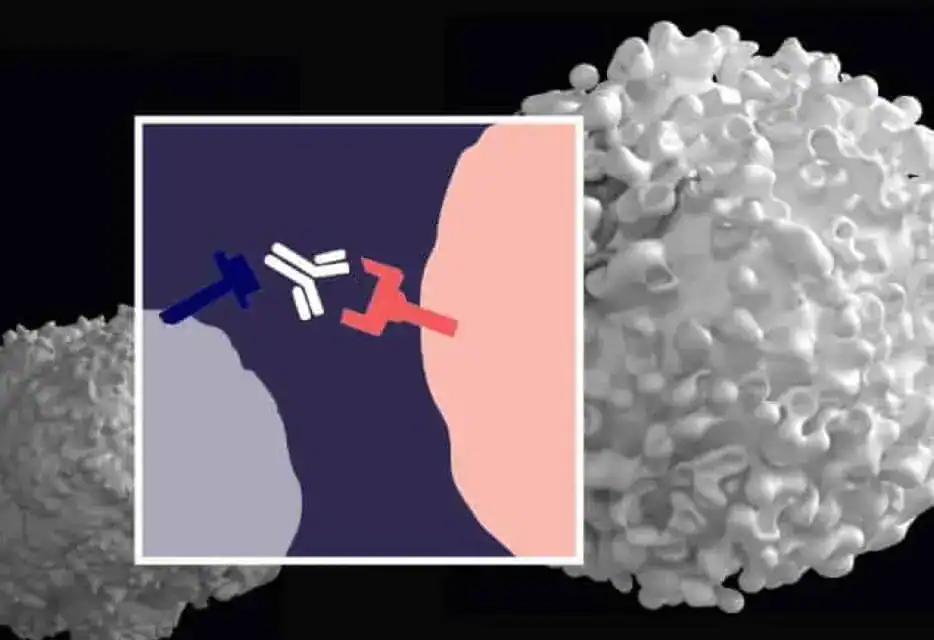
Immune Checkpoint Inhibitors
Release the “brakes” on immune cells by blocking specific signals, helping them recognize cancer cells, become more active, and attack cancer cells more effectively.
Examples: pembrolizumab (Keytruda®), nivolumab (Opdivo®)
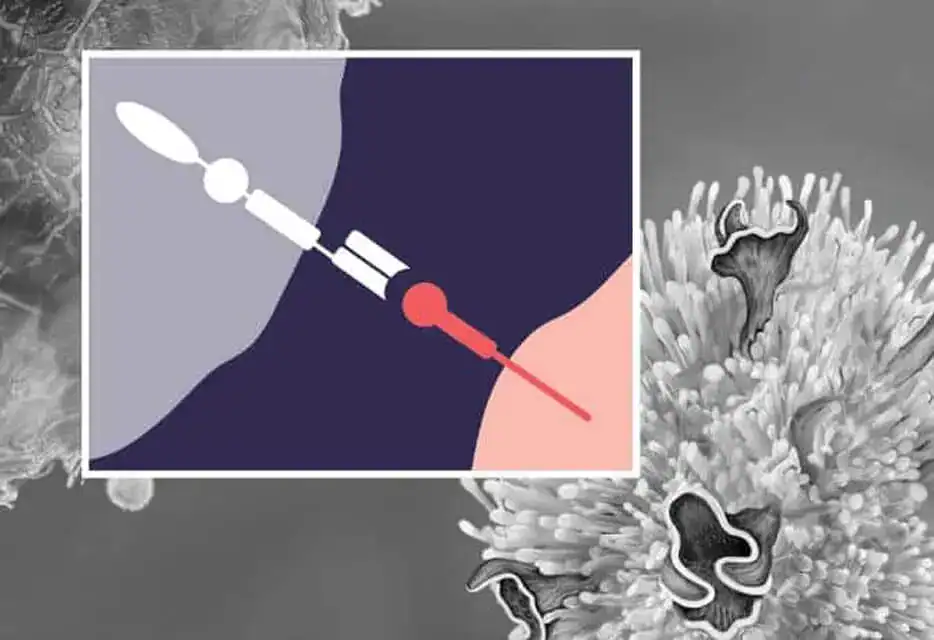
Cell and Gene Therapies
Use living cells or genetic instructions to help the immune system attack cancer. Some involve changing immune cells in a lab before returning them to the body.
Examples: CAR T-cell therapy, TIL therapy

Cancer Vaccines
Train the immune system to recognize cancer-related targets, helping immune cells find cancer more precisely. Some prevent virus-linked cancers; others treat existing cancer.
Examples: HPV vaccine, sipuleucel-T (Provenge®)
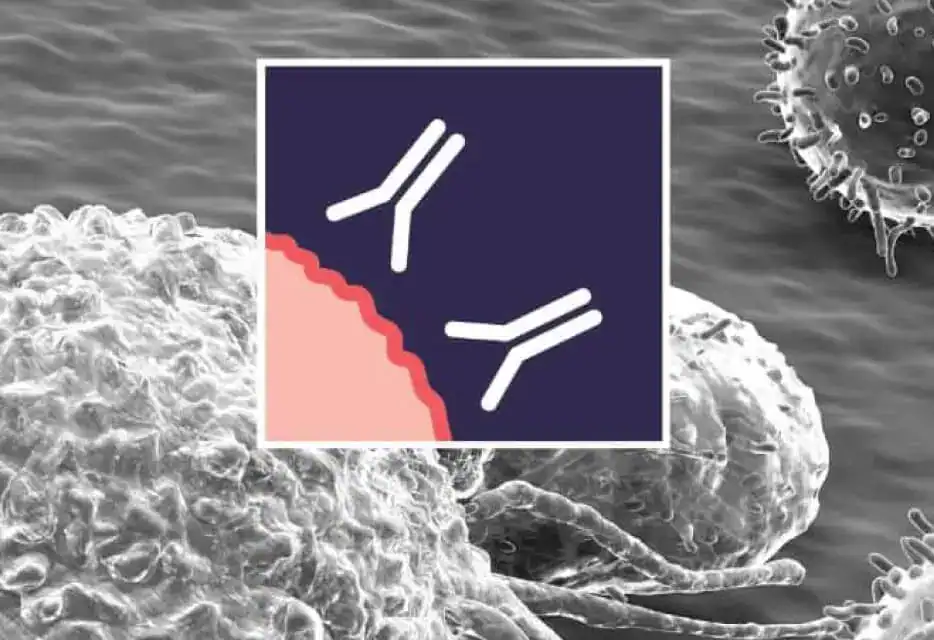
Immune Cell Engagers
Bring immune cells and cancer cells together, helping immune cells recognize tumors at close range and attack cancer cells more directly.
Examples: blinatumomab (Blincyto®), teclistamab (Tecvayli®)
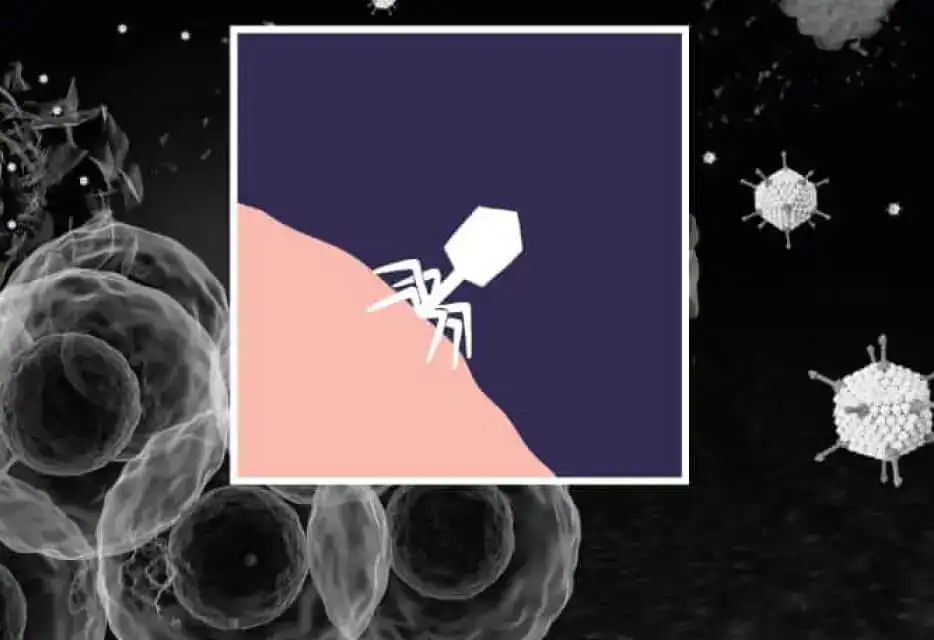
Oncolytic Virus Therapies
Use modified viruses to infect and destroy cancer cells, releasing signals that help the immune system recognize and attack the remaining tumor.
Examples: talimogene laherparepvec (T-VEC, Imlygic®); RP1 (Tudriqev)
Cytokines and Other Immune Modulators
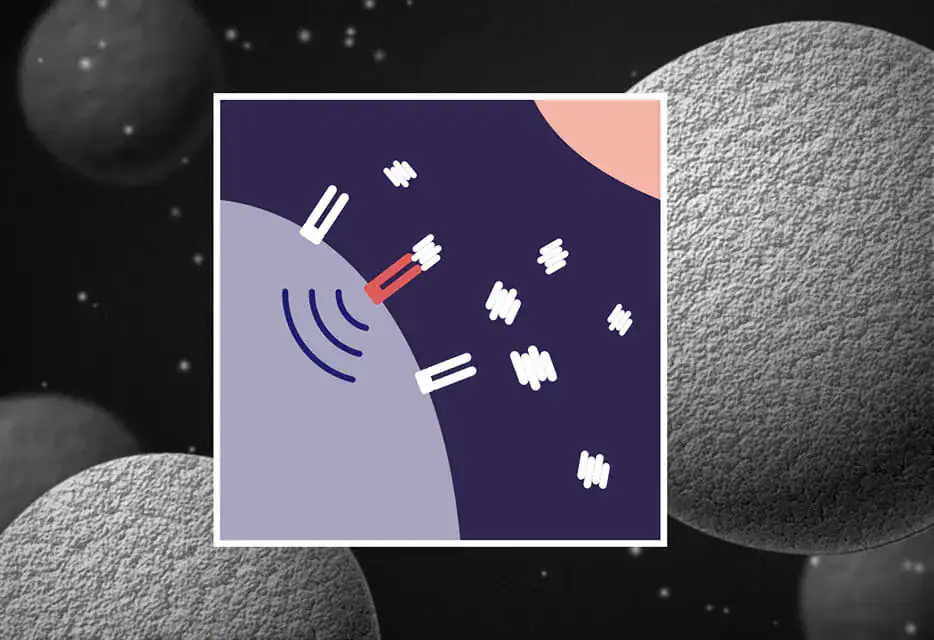
Boost immune signals that help immune cells grow, communicate, and become more active.
Examples: interleukin-2, BCG (Bacillus Calmette-Guérin)
Cancer Immunotherapy FAQs
What types of immunotherapy treatments are there?
There are six main types of immunotherapies: immune checkpoint inhibitors, cell and gene therapies, cancer vaccines, immune cell engagers, oncolytic virus therapies, and cytokines and other immune modulators. Each helps the immune system fight cancer in a different way.
How do doctors decide which type of immunotherapy to use?
Doctors consider several factors before prescribing immunotherapy, including the type and stage of cancer, genetic mutations or biomarkers, prior treatments, and overall health. Some immunotherapies are approved only for certain cancer types or for patients whose cancer cells carry specific biomarkers. Learn more about cancers treated with immunotherapies.
Can immunotherapy be combined with other cancer treatments?
Yes. Immunotherapy is commonly combined with surgery, chemotherapy, radiation, targeted therapy, or another type of immunotherapy to improve treatment outcomes. Learn more about the differences between chemotherapy and immunotherapy.
Are some immunotherapies newer than others?
Yes. Some immunotherapies, such as cytokine therapies, have been used for decades. Others, including many immune cell engagers and cell and gene therapies, have been approved more recently, reflecting the rapid pace of immunotherapy research. Explore CRI’s interactive dashboard of approved immunotherapies.
Do I need to join a clinical trial to get immunotherapy?
No. Many immunotherapies are already FDA-approved and part of standard cancer care. Clinical trials provide access to promising new treatments while helping researchers develop better therapies for the future. Learn about immunotherapy clinical trials.
What are the possible side effects of immunotherapy?
Immunotherapy side effects are different from other cancer treatments. They may include fatigue, skin changes, diarrhea, flu-like symptoms, or inflammation in different parts of the body. Your health care team can help you understand what to watch for and when to call. Learn more about immunotherapy side effects.
Where can I learn more about immunotherapy?
CRI regularly publishes patient education resources, research updates, and stories about progress in cancer immunotherapy. Explore our patient resources or sign up for updates to keep learning.
Learn More & Get Involved
Progress in cancer immunotherapy depends on informed patients, engaged communities, and groundbreaking research. CRI provides the resources and opportunities to help move the field forward.
Learn
Find trusted answers about cancer immunotherapy, treatment options, clinical trials, and more.
Stay Informed
Sign up for updates on research, clinical progress, and immunotherapy developments.
Support Research
Contribute to CRI’s mission of advancing collaborative, data-driven cancer immunotherapy research.