
When cancer cells die, they can sometimes trigger powerful immune responses by releasing “danger signals” that alert the immune system to attack the tumor. One form of inflammatory cell death, called necroptosis, is especially important because it can help turn dying cancer cells into a signal that activates anti-tumor immunity.
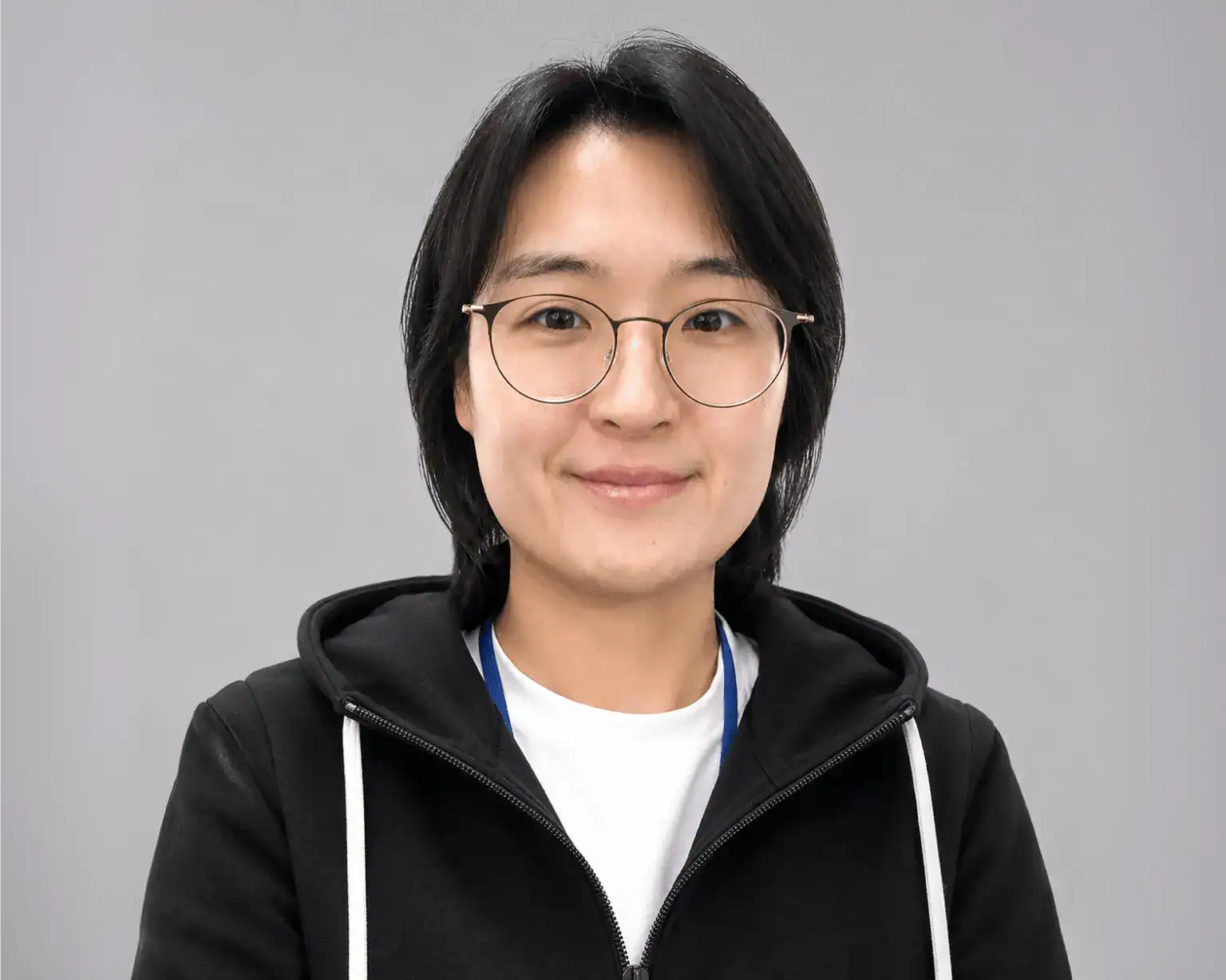
Dr. Noh studies the molecular machinery that controls necroptosis. In earlier work, Dr. Noh uncovered previously unknown roles for key necroptosis proteins in chronic inflammatory diseases and identified SIGLEC12 as a critical regulator of the final membrane rupture step that allows immune-stimulating signals to escape dying cells.
In this fellowship, Dr. Noh will investigate how mutations in SIGLEC12 found in certain cancers interfere with this process. Dr. Noh believes that when tumors block proper membrane rupture, they may prevent the immune system from fully recognizing and attacking cancer cells. Using tumor models and patient-derived samples, this work will examine whether cancers carrying mutant SIGLEC12 show weaker immune activation and reduced immune cell infiltration.
This research promises to reveal why some tumors fail to respond to immunotherapy and identify new opportunities to strengthen immune responses by restoring immunogenic cancer cell death.
Mentor
Ayaz Najafov, PhD
Projects and Grants
Role of SIGLEC12-mediated plasma membrane rupture in anti-tumor immunity