
Chimeric antigen receptor T-cell (CAR T) therapy reprograms a patient’s own immune cells to find and eliminate cancer. While it has transformative for some blood cancers, many patients eventually relapse, and the therapy has struggled to work effectively for solid tumors, in part because these engineered cells often lose their effectiveness or die off before a cancer is fully eliminated. Signaling molecules called cytokines can boost CAR T activity and maintain their function for longer stretches, but current methods of providing this boost have been limited by high toxicity and low precision.
Dr. Aalipour proposes a previously unexplored strategy to engineer CAR T cells with cytokine-boosting proteins that are more powerful and precise. The most promising candidates can then be tested in clinical trials, initially in lymphoma and ovarian cancer, with the goal to fully realize the curative potential of CAR T therapies for patients with hard-to-treat cancers.
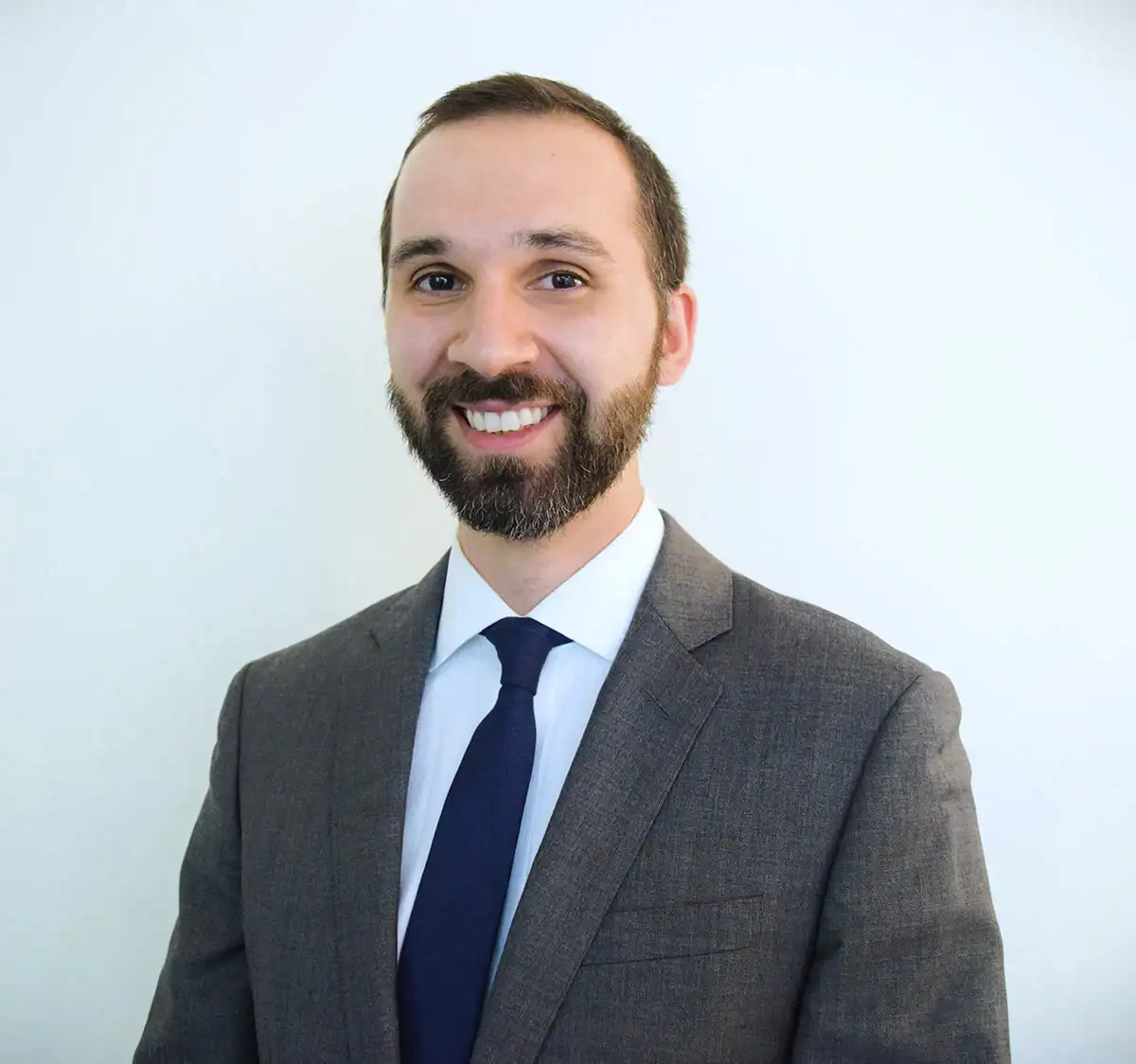
Dr. Aalipour is an oncologist who specializes in treating lymphoma patients. His firsthand experience administering CAR T therapies has motivated him to improve this therapeutic strategy for his patients. Dr. Aalipour earned his Bachelor’s, Master’s, PhD and MD degrees from Stanford University and was named to the Forbes Science 30 Under 30 list in 2022. He is currently an Oncology Clinical Fellow at Dana-Farber Cancer Institute, pursuing his postdoctoral work at MIT.
Mentor
Michael Birnbaum, PhD
Projects and Grants
A modular platform for reprogramming cytokine signaling in cellular immunotherapies