
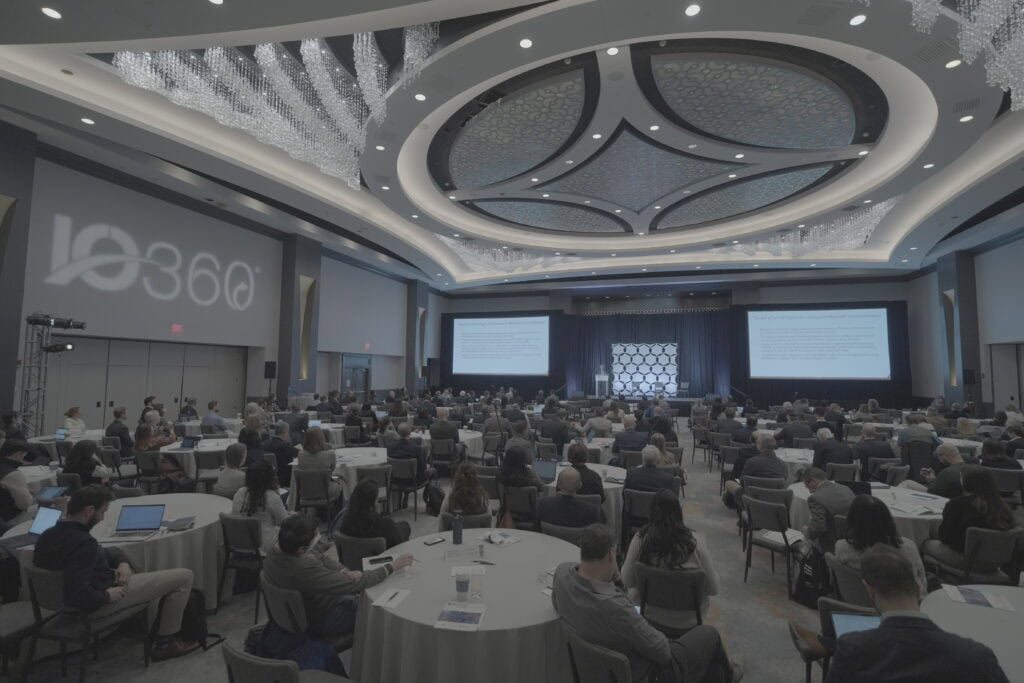
At February’s IO360° Summit in Boston, hundreds of researchers, clinicians, patient advocates, and biotech leaders gathered to share the latest advances in cancer immunotherapy — treatments that harness the body’s own immune system to fight cancer.
The three-day event showcased decade-long survival data, next-generation therapies, and artificial intelligence (AI) applications, highlighting how far the field has progressed and where it may be headed next.
From Terminal Diagnoses Toward Long-Term Survival
Dr. Jedd Wolchok from Weill Cornell Medicine, and a member of CRI’s Scientific Advisory Council, was honored with the IO360° Lifetime Achievement Award. Dr. Wolchok presented 10-year follow-up data from the landmark CheckMate-067 melanoma trial. The results are striking: the overall survival rate for the combination of nivolumab plus ipilimumab was 43% — higher than nivolumab alone (37%) or ipilimumab alone (19%). These data demonstrate that long-term remission is possible for a meaningful subset of patients.
To put this in perspective, just 15 years ago, this same patient population had a median survival of less than one year. Most died within 6–8 months.

A patient panel featuring stage 4 melanoma survivor Brendan Connors brought these statistics to life, showing the real-world impact on young people diagnosed with advanced cancer.
(Photo Courtesy: IO360°)
Making Complex Therapies Faster and Cheaper
Traditional CAR T-cell therapy, which engineers a patient’s immune cells to attack cancer, requires removing cells, modifying them in a lab over weeks, and infusing them back into the patient. The process is complex, expensive (> $400,000), and time-consuming.
AstraZeneca presented a different approach: using specially designed viruses to reprogram immune cells directly inside patients’ bodies. In a very small, early cohort, all four multiple myeloma patients responded, with two achieving complete remissions. These results were achieved in days rather than the weeks required for traditional CAR T-cell manufacturing.
BobcatBio presented yet another approach: rather than genetically engineering immune cells, they hyperactivated macrophages, the body’s natural tumor-fighting cells, to destroy cancer. The treatment can be frozen for repeat dosing and is designed to work regardless of a tumor’s specific genetic mutations, potentially making it applicable for solid tumors and blood cancers alike.
When Surgery Becomes Optional
Dr. Andrea Cercek at Memorial Sloan Kettering Cancer Center presented perhaps the most staggering data. In 103 patients with early-stage cancers carrying a mismatch repair deficiency (dMMR) – a specific genetic feature that makes tumors more vulnerable to immunotherapy – 82% saw their tumors completely disappear after six months of treatment alone.

These results were compelling enough that about 80% of patients chose to forgo surgery entirely. This is particularly life-changing for rectal cancer patients, where surgery often results in permanent colostomy bags. Cercek’s team also identified a way to predict success: patients whose circulating tumor DNA (cancer fragments in the bloodstream) disappeared quickly achieved complete responses. This treatment received FDA breakthrough designation in late 2024.
For patients with small-cell lung cancer, one of the deadliest forms of the disease, the IMforte trial offered a breakthrough. Researchers found that continuing treatment with two drugs after initial chemotherapy could keep cancer under control significantly longer. Patients receiving the combination of lurbinectedin and atezolizumab lived nearly three months longer (13.2 vs 10.6 months) and went more than twice as long before their cancer progressed (5.4 vs 2.1 months) compared to patients receiving atezolizumab alone. It was the first study of its kind to show improvements in both measures with manageable side effects. The FDA approved this approach as a new standard of care.
Targeting Cancer’s Support System
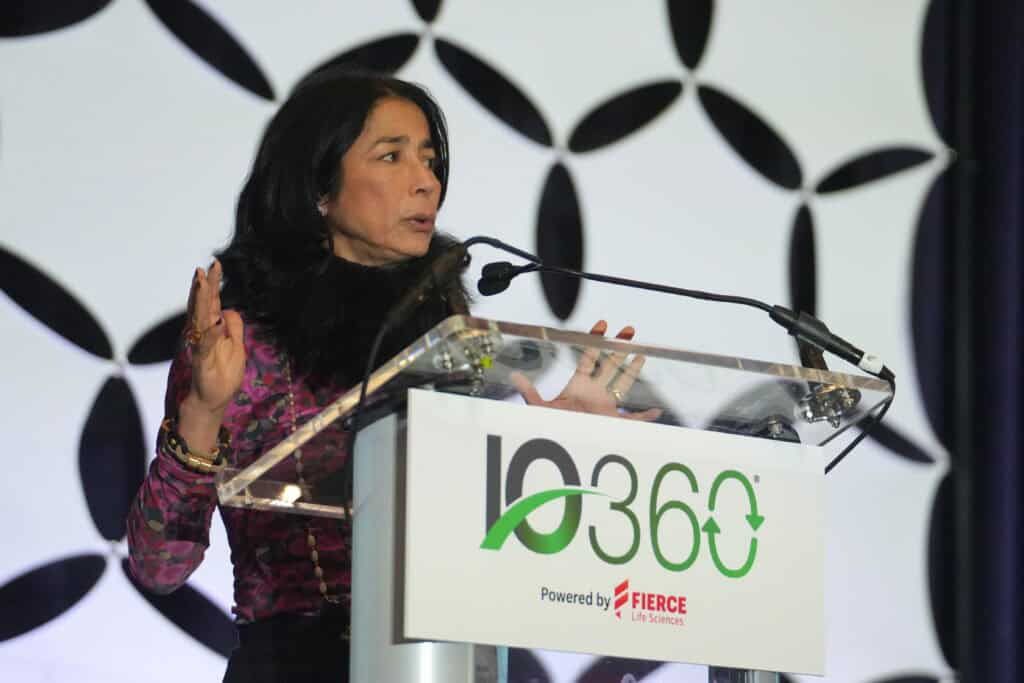
Dr. Miriam Merad from the Icahn School of Medicine at Mount Sinai found an unexpected ally in the fight against lung cancer: allergy medicine. Tumors send out signals, including a chemical messenger called IL-4, which shuts down the immune system’s cancer-fighting abilities. By blocking IL-4 with dupilumab, a drug normally used for allergies and asthma, combined with immunotherapy, one patient, whose cancer had stopped responding to treatment, saw nearly all their tumors vanish – a preliminary but encouraging signal that will need to be validated in larger studies. Dr. Merad also shared research on engineered immune cells designed to break down the protective barrier tumors create to hide from the immune system, work that’s shown dramatic success in models of lung and ovarian cancer.
AI Meets Cell Therapy
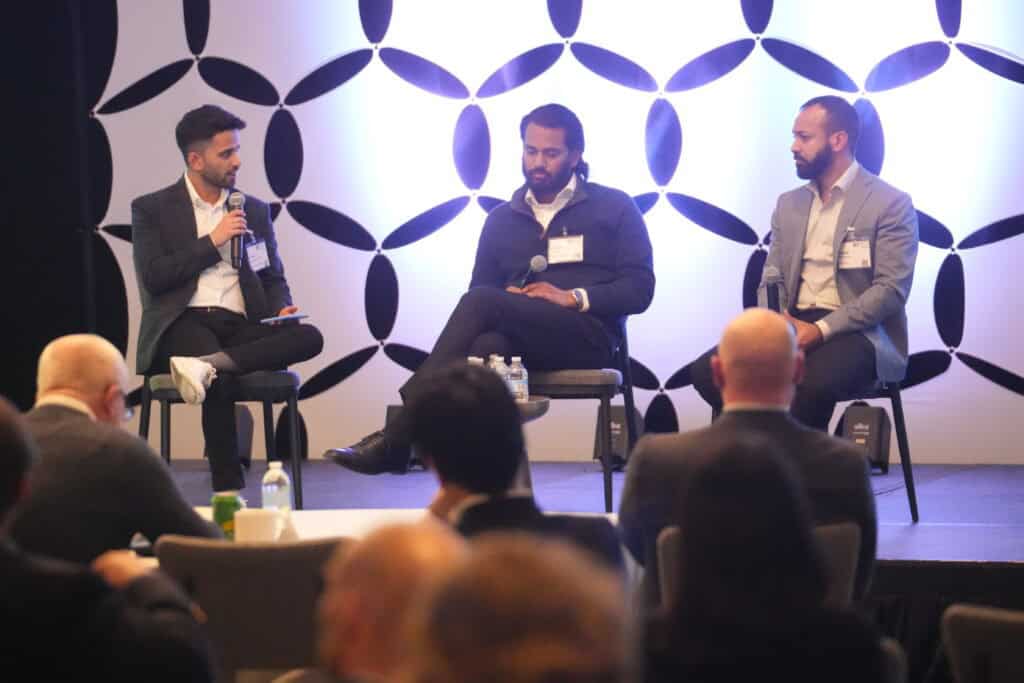
During one panel discussion, Dr. Samik Upadhaya, the Cancer Research Institute (CRI)’s Director of Scientific Affairs, moderated a discussion with experts from the University of Pennsylvania Perelman School of Medicine and Immunai about AI’s role in developing new cell therapies. The message was clear: AI is powerful at analyzing massive amounts of research to spot promising cancer targets, but it’s not replacing scientists anytime soon. The real challenge isn’t computing power; it’s having good data to work with. To address this gap, Dr. Upadhaya highlighted CRI’s Discovery Engine, a new initiative designed to build a shared, AI-ready biological dataset at the pre-clinical level, giving researchers across the field a common foundation to train their models on. AI can speed up research, but deciding which treatments to test in patients and how to make them safe still depends on human expertise.
Looking Ahead
The 2026 IO360° Summit showcased the transformative ways that cancer immunotherapy has evolved from a theory to experimental therapy, ultimately delivering transformative outcomes for patients.
For some cancers:
- Patients who once faced near-certain death are now experiencing long-term survival
- Some early-stage cancers may soon be treated without surgery
- Complex therapies are growing more accessible
- AI is accelerating the pace of discovery
Challenges remain. Of course, not all patients respond, manufacturing is still expensive, and bringing discoveries from the lab to the clinic takes years – but if the last decade taught us anything, it’s that what seems impossible today can become routine remarkably quickly.
The momentum indicates the next decade will be just as transformative. As these advances illustrate, sustained investment in research over the past decades has laid the foundation for today’s breakthroughs – and continued support will be essential to extend these benefits to more patients.