
Liver cancer can be difficult to detect and treat, but advances in research are changing what we know about the disease — and how doctors can fight it.
From the conditions that can increase liver cancer risk to the growing role of immunotherapy in treatment, here are five things to know about liver cancer and the research helping move the field forward.

Hepatocellular carcinoma is the most common type of liver cancer
- The liver is a large organ in the upper right side of the abdomen that performs hundreds of functions, including processing nutrients and filtering substances from the blood. Several types of cancer can begin there, but hepatocellular carcinoma (HCC), which develops in the liver’s main cells, called hepatocytes, is the most common primary liver cancer in adults.
- The American Cancer Society estimates about 42,340 new cases of liver and intrahepatic bile duct cancer and 30,980 deaths in the U.S. in 2026. Incidence has tripled over roughly four decades.

Chronic liver disease is one of the biggest risk factors for liver cancer
- Liver cancer is closely tied to chronic liver disease – but hepatitis is only part of the picture.
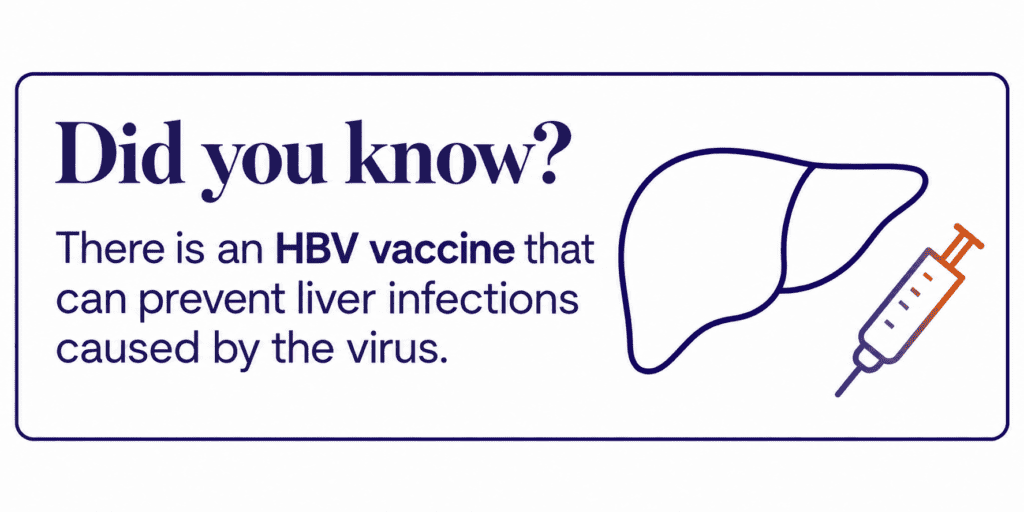
- Worldwide, the most common risk factor for liver cancer is chronic infection with hepatitis B virus (HBV) or hepatitis C virus (HCV).
- Risk factors also include liver cirrhosis, alcohol-related liver disease, metabolic liver disease, obesity, diabetes, smoking, and other conditions.
- Relative contribution of these risk factors varies tremendously across geographies.

Liver cancer can be difficult to detect early
- Liver cancer may not cause symptoms early, which makes surveillance important for people at higher risk
- When symptoms do occur, they can include:
- Abdominal discomfort or swelling
- Jaundice (yellowing of the skin and eyes)
- Fatigue
- Appetite loss
- Unexplained weight loss
- Nausea
- It is recommended that adults at high risk are screened every 6 months using an abdominal ultrasound and a blood test.
- There are no routine screening guidelines for individuals at average risk.

Early detection matters! From 2014–2020, the five-year relative survival was 37% for localized disease compared with 3% for distant disease.
People being diagnosed now may have a better outlook than these numbers show, as treatments improve over time.

Immunotherapy is now an important part of liver cancer treatment
- For people with unresectable or metastatic HCC, immunotherapy-based combinations using immune checkpoint inhibitors are now among the established first-line systemic treatment options.
- Treatment choices depend on the individual cancer, liver function, other health considerations, and prior treatment.

Scientists are studying how to make immunotherapy work for more people with liver cancer
- Scientists are studying how to make immunotherapy work for more people
- The liver has a unique relationship with the immune system. Because blood flowing through the liver regularly carries food-derived molecules, microbes, and other substances from the digestive tract, immune cells in the liver must balance responding to potential threats with avoiding unnecessary inflammation. Liver tumors can exploit this naturally tolerant environment to suppress immune responses against cancer.

CRI Clinical Innovator Marina Baretti, MD, is working on novel immunotherapies for fibrolamellar hepatocellular carcinoma (FLC), a rare and often fatal type of liver cancer that typically affects adolescents and young adults who have normal liver function and no history of cirrhosis, alcohol abuse, or viral hepatitis.
Improving outcomes for people with liver cancer means finding the disease earlier and helping more patients benefit from treatment. Immunotherapy is already part of that progress, and scientists are working to build on it by studying the liver’s immune environment and developing new tools to detect and monitor cancer. Continued research can help turn these insights into better care for people facing the disease.
Sources
Liver Cancer Survival Rates
American Cancer Society, 2025
What is Liver Cancer
American Cancer Society, 2025
Liver Cancer Basics
Centers for Disease Control, 2025
Immunotherapy for Liver Cancer
American Cancer Society, 2025