

Patient Resources
Providing support, guidance, and hope – every step of the way
A cancer diagnosis can bring uncertainty and many questions. The Cancer Research Institute (CRI) offers trusted, free resources to help patients and caregivers learn about immunotherapy, explore treatment options, find support, and make informed decisions with confidence.
Start Here: Your Journey, Your Needs
No matter where you are in your cancer journey, we can help you find science-based information and support. Our resources are developed with input from leading cancer researchers, clinicians, and patient advocates.

Newly Diagnosed or Exploring Treatments
Learn about immunotherapy and how it helps your body fight cancer
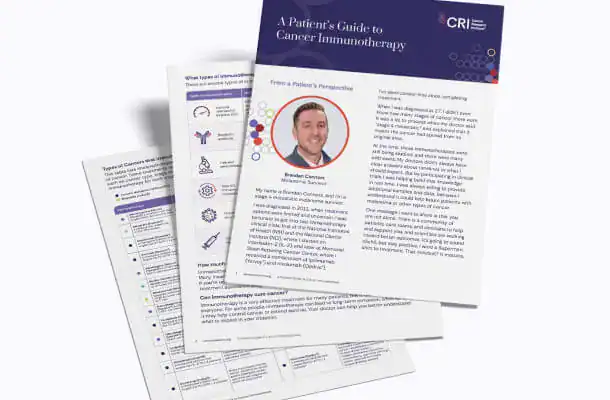
Read CRI’s Patient’s Guide to Immunotherapy
Explore our Q&A guide to understanding immunotherapy and what to expect during treatment

Hear from Other Patients About Their Experiences
Explore real patient journeys with immunotherapy, from diagnosis through treatment and beyond

Look for a Clinical Trial That May Be Right for You
Find cancer immunotherapy clinical trials and get help from CRI’s clinical trial navigators
Cancer Immunotherapy Resource Hub
Explore CRI’s trusted patient resources — all in one place. Each brings together reliable information you can explore at your own pace, with clear next steps if you want to learn more.
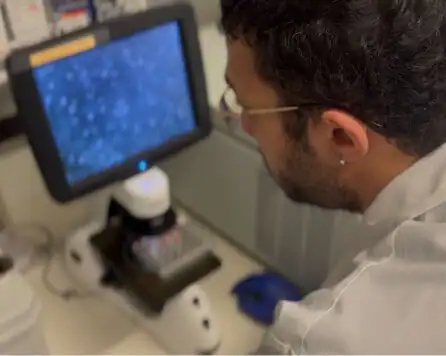
Learn About Cancer Immunotherapy
Understand what immunotherapy is, how it works, and which cancers it may be used to treat, along with what to expect.
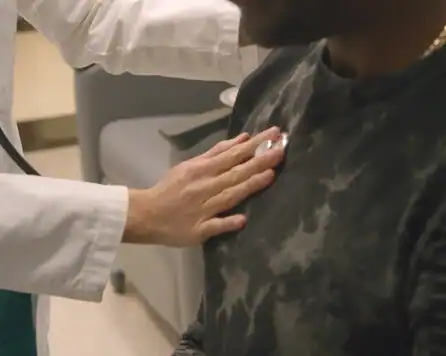
Understand Immunotherapy Side Effects
Get an overview of common immunotherapy side effects, how they’re managed, and when to contact your health care team.
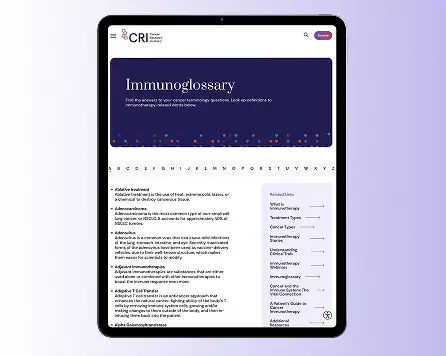
Explore Cancer & Immunotherapy Terms
Find clear, easy-to-understand definitions of medical and treatment terms you may hear during appointments.

Explore Patient Journeys
Hear directly from patients and survivors who have received immunotherapy and learn how they navigated diagnosis, treatment, and decision-making.

Keep Up-To-Date with Educational Programs & Ongoing Research
Stay informed through CRI’s patient-focused educational programs, webinars, and the latest research updates.
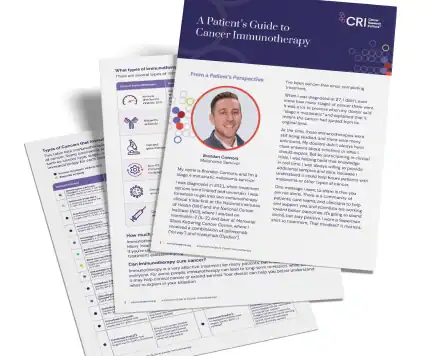
Read the CRI Patient’s Guide to Immunotherapy
An easy-to-understand guide for patients and caregivers covering treatment basics, what to expect, key questions, and ongoing support.

Learn About Biomarkers
Learn about biomarkers like PD-L1, MSI, and TMB, what they mean for treatment decisions, and why they matter.

Watch a Patient Roundtable Discussion
Explore candid, survivor-led conversations about diagnosis, clinical trials, immunotherapy outcomes, and patient advocacy.
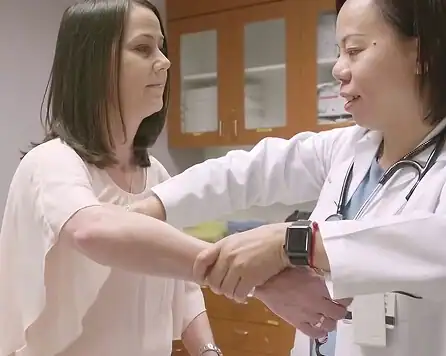
Find Immunotherapy Clinical Trials
Explore immunotherapy clinical trials and learn how participation works, with support from CRI’s clinical trial navigators.
Patient Guides by Cancer Type
Looking for information specific to your diagnosis? Explore CRI’s cancer-specific Patient’s Guides to learn how immunotherapy may be used for different types of cancer.
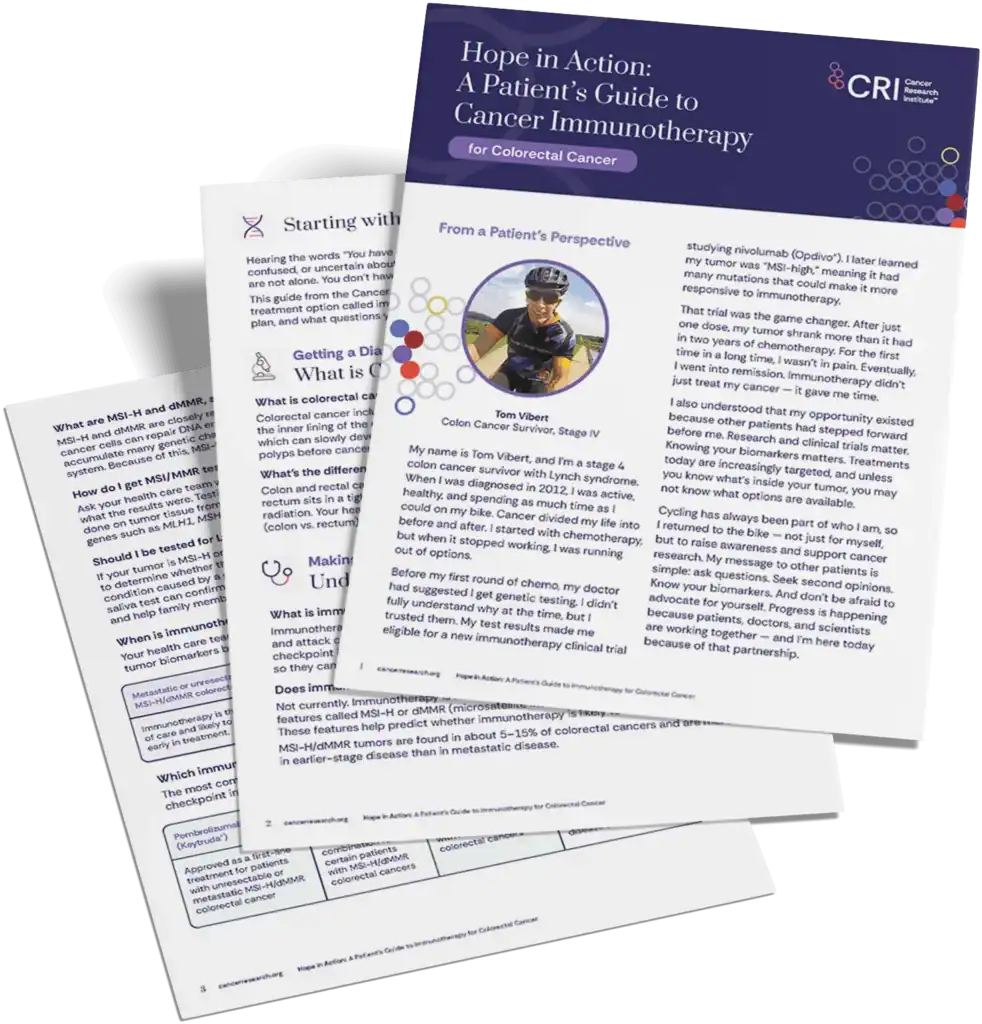
Colorectal Cancer Patient Guide
Colorectal cancer with DNA-repair-related biomarkers often responds well to immune checkpoint inhibitors. Clinical trials are also evaluating immunotherapy for other subtypes that have historically been less responsive.
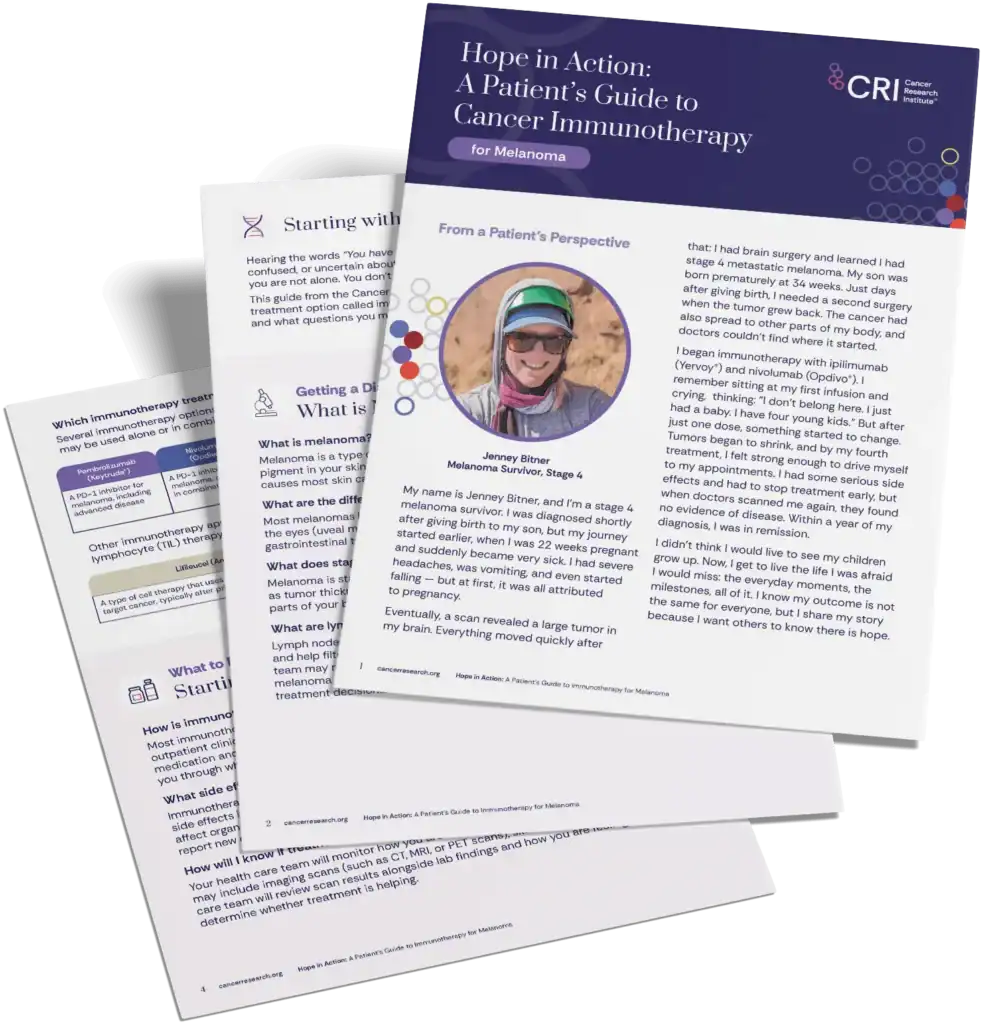
Melanoma Patient Guide
Melanoma is highly responsive to immunotherapy. Immune checkpoint inhibitors have significantly improved survival for many patients, and ongoing research is refining combination strategies to broaden benefit.
Patient Support FAQs
What types of support does CRI provide to patients and caregivers?
CRI provides reliable, science-based information about cancer immunotherapy. Immunotherapy drugs have been approved for more than 35 types of cancer. CRI also supports a Clinical Trial Finder, shares patient and caregiver stories, and connects people to trusted organizations that provide additional services.
CRI does not provide patient medical care, legal advice, or financial assistance, but we can connect people to trusted organizations that do.
Does CRI provide patient support outside of the U.S.?
No, CRI does not provide medical care in the U.S. or abroad. Our patient resources are freely available to anyone, anywhere in the world.
Our Clinical Trial Finder includes a limited number of clinical trials outside the U.S. For Europe, the European Clinical Trials Information Network is another resource for exploring clinical trials.
Can CRI connect me with a doctor or treatment center near me?
CRI does not provide direct referrals. You can find reputable specialists and treatment centers through the National Cancer Institute’s network of designated cancer centers across the U.S.
How can I share my own cancer journey with other patients or caregivers?
CRI invites you to share your story on our website and social media to inspire others.
Does CRI provide financial assistance for treatment, transportation, or living expenses?
No, CRI does not provide financial assistance. For help navigating health insurance and cancer-related costs, visit:
For transportation and lodging services, visit:
- American Cancer Society Hope Lodge
- Joe’s House
- Mercy Medical Angels
Your health care team may also be able to provide you with additional resources.
What legal protections do I have if I lose work because of cancer?
CRI does not provide legal advice. For guidance on employment and cancer-related legal matters, visit:
How can I connect with other patients or survivors?
Support groups and peer connections can help you find others going through similar experiences. You can read stories from patients or explore personalized support through:
Are there resources specifically for caregivers, partners, or children?
CRI’s patient support is primarily focused on patients, but caregivers, partners, and children can find support through these trusted organizations:
For children, teens, and young adults specifically, visit:
Learn More & Get Involved
Progress in cancer immunotherapy depends on informed patients, engaged communities, and groundbreaking research. CRI provides the resources and opportunities to help move the field forward.
Explore
Learn how CRI Research & Clinical Programs support scientists across the research continuum.
Stay Informed
Sign up for updates on research, clinical progress, and immunotherapy developments.
Support
Contribute to CRI’s mission of advancing collaborative, data-driven cancer immunotherapy research.