

2026
CRI Cancer Immunotherapy Insights + Impact
Foreword
Over three decades ago, when I started my work in cancer research, I was driven by the goal of turning scientific breakthroughs into treatments that help extend lives or save them altogether. Immunotherapy called to me specifically because the alternatives, chemotherapy above all, were too often as damaging as the disease itself, with little to show for it in my patients’ quality of life.
So, when ipilimumab was approved for melanoma in 2011, it was a proof of concept as much as a treatment. Many of us were optimistic yet cautious. The data were real, but how far this principle would extend across cancer types, patient populations, and the biology of immune evasion remained genuinely open.
Fourteen years later, that question has a compelling answer: 156 FDA approvals. Immunotherapy is now a pillar of standard oncology care alongside surgery, radiation, and chemotherapy. For patients with melanoma, lung cancer, and a growing number of hematologic malignancies, it has transformed what is possible.
For decades, the Cancer Research Institute (CRI) has been at the forefront of bridging what’s possible with what’s actual. CRI’s Cancer Immunotherapy Insights & Impact report does something more valuable than simply cataloguing that progress: it asks harder questions.
Seventy-four percent of those approvals trace back to a single molecular axis: PD-1 and PD-L1. That is a testament to the clinical power of checkpoint blockade and a measure of how narrowly the field has fished. The next generation of checkpoint targets has produced one approval in 13 years. The biology of immune evasion is more complex than the approval landscape reflects.
There are reasons for genuine optimism. The data emerging from mismatch repair deficient (dMMR) solid tumors — complete clinical responses to checkpoint blockade alone without surgery or radiation — represent one of the most significant paradigm shifts I have witnessed in this field. The modernization of trial design is equally pressing: when early-phase response rates exceed 50% against a clearly inferior control, the ethics of randomization demands reconsideration. Synthetic control arms and crossover designs are practical tools the field should be deploying more deliberately, particularly in rapidly progressing cancers where time is the variable patients can least afford to lose.
The geography of innovation is also shifting. Chinese-origin immunotherapy assets are entering U.S. regulatory pathways on their own merits, at a scale that raises scientific, regulatory, and policy questions the field has not yet fully engaged.
This report holds both things in view: the undeniable progress and the unresolved problems. The 156 approvals are real. So is the gap between regulatory approval and patient access. So is the promise of what is coming, if the field invests in the science and infrastructure needed to realize it.
CRI has been at the center of cancer immunotherapy since its inception, funding the foundational science and making the case for immune-based approaches before the clinical evidence made that case easy. This report is part of that mission: not only to celebrate what has been achieved, but also to document it with precision and ask what it will take to go further.
The field is not slowing. The nature of progress has changed. This report is one of the clearest maps we have of where we are and how much further there is to go.

Elizabeth M. Jaffee, MD
Deputy Director, The Sidney Kimmel Comprehensive Cancer Center at Johns Hopkins
Associate Director, Bloomberg~Kimmel Institute for Cancer Immunotherapy at Johns Hopkins
Executive Summary
The Cancer Research Institute (CRI)’s Cancer Immunotherapy Insights & Impact (CI3) report tracks every U.S. Food and Drug Administration (FDA) approval in cancer immunotherapy from 2011 through 2025, now 156 in total. In 14 years, immunotherapy has gone from a scientific long shot to the dominant force in oncology drug development.
Thirteen new approvals were granted in 2025, a figure that looks modest only until the composition is examined. Immune checkpoint inhibitors (ICIs), the PD-1/PD-L1 therapies that have defined the immuno-oncology (IO) era in particular, accounted for 11 of the 13. Their dominance is no longer surprising; it is the baseline. The more revealing signals are at the margins: disease areas beginning to open, regulatory expectations tightening, and the geography of innovation starting to shift.
Key Insights

ICI Dominance Persists
11 of 13 approvals were PD-1/PD-L1–based

New Disease Entry
First FDA-approved immunotherapy for patients with anal cancer

Regulatory Shift
Six accelerated approvals converted to regular approval

Global Signal
China-developed PD-1 inhibitor approved independently

Delivery Evolution
Subcutaneous IO expands, with implications beyond convenience
Anal cancer offers a clear example of both progress and delay. Approximately 11,000 Americans are diagnosed each year, yet no immunotherapy was approved until 2025. The approval of retifanlimab (Zynyz®) in combination with platinum-based chemotherapy is a meaningful clinical advance in a disease setting with few prior options. It also raises a pointed question about which cancers have historically attracted investment and why.
The entry of penpulimab (Anniko®), a PD-1 inhibitor developed by Akeso Biopharma, is similarly instructive. It represents one of the first novel immunotherapy agents developed in China to secure initial FDA approval on its own regulatory merits and not through a licensing arrangement with a Western sponsor. This is a trend rather than an anomaly, and its competitive and geopolitical implications for U.S. oncology innovation are significant and underexplored.
On the regulatory front, 2025 produced what may be its most consequential story: six accelerated approvals converted to regular status in a single year, reflecting a concentration of confirmatory trial completions. This is driven in part by the 2022 legislation that gave the FDA statutory authority to enforce firm confirmatory trial timelines and withdraw approvals more swiftly, motivating sponsors to complete confirmatory work proactively rather than risk formal withdrawal. The same regulatory environment that is raising the bar on confirmatory evidence is also creating new mechanisms for speed: dostarlimab’s (Jemperli) Commissioner’s National Priority Voucher (CNPV) designation signals the possibility of materially faster approvals in select cases.
The subcutaneous (SC) delivery shift matters practically, even if it is less visible in headline terms. The approval of SC pembrolizumab (Keytruda Qlex™), following similar advances for atezolizumab (Tecentriq Hybreza™) and nivolumab (Opdivo Qvantig™), points to a broader push to reduce treatment burden. But the same shift may also reshape pricing and exclusivity in ways that complicate its access landscape.
2025 was a year with fewer approvals but with consequential signals: a first approval in a neglected disease, Chinese-origin assets that signal a structural shift in where oncology innovation comes from, and a regulatory environment that is simultaneously raising the bar and creating new lanes for speed. This report documents where the field stands. Next year’s edition will return to hold it to account.
Charting the Rise of Immunotherapy
Over the past 14 years, cancer immunotherapy has moved from a compelling hypothesis to a fourth pillar of standard oncology care, alongside surgery, radiation, and chemotherapy. Globally, an estimated 20 million new cancer cases and 9.7 million deaths were recorded in 2022, with incidence projected to reach 35 million by 2050.1 In the U.S. alone, more than 2 million new diagnoses and over 618,000 deaths were projected in 2025.2 Particularly alarming is the rise in early-onset cancer incidence and mortality globally, with an expected 31% more cases by 2030.3 These statistics are the backdrop against which all cancer immunotherapy approvals must be viewed. Immunotherapy has transformed cancer treatment outcomes for millions, but it still benefits only a fraction of patients and works only in a subset of cancer types. The scale of its regulatory expansion has nonetheless been remarkable.
Since the first ICI was approved in 2011, the FDA has granted 156 cancer immunotherapy approvals as of the end of 2025 (Figure 1A; Table 1). The field’s expansion has been substantial, though marked by cycles of consolidation and course correction. New approvals peaked with 22 in 2024 before dropping to 13 in 2025. At face value, this drop could suggest a slowdown, but a dip of this size is consistent with prior fluctuations rather than a clear inflection. More telling is the kind of approvals being granted: a field that once grew primarily by adding new indications is now also consolidating, converting accelerated approvals into full approvals and resolving regulatory uncertainty around approvals still awaiting confirmatory data. This is not a contradiction; it’s a process of maturation.
The 2025 approvals spanned a broad range of cancer types, including the first immunotherapy indication ever granted for patients with anal cancer, a disease that had not previously had an approved immune-based treatment option. Between 2019 and 2024, the field averaged approximately 17 approvals per year. The 2025 total of 13 approvals appears below that average, but several contextual factors explain this. A substantial portion of regulatory activity in 2025 reflected conversions of accelerated to regular approvals (six in total), which do not generate new entries. Additionally, several late-stage programs that might have produced U.S. approvals in 2025 did not. Timing gaps between international and U.S. regulatory milestones can shift annual approval counts without reflecting the underlying pace of innovation, a dynamic discussed further in the Eyes on the Horizon section below.
Looking at cancer type distribution (Figure 1B), hematological malignancies continue to lead with 31 approvals, followed by lung cancer at 30 and skin cancer at 25. These three disease areas have consistently dominated the immunotherapy landscape. Their predominance reflects a combination of factors: cancers that respond well to immune-based therapies,4 early and sustained clinical investment, and well-established response endpoints that regulators trust. The same factors partly explain why other cancer types, such as pancreatic and ovarian, have remained stubbornly difficult to crack: the underlying biology is more challenging, the investment history is shorter, and reliable response endpoints are harder to define and validate.
FDA-Approved Cancer Immunotherapies by Cancer Type, 2011–2025
Figure 1A
Annual Approvals by Cancer Type Year
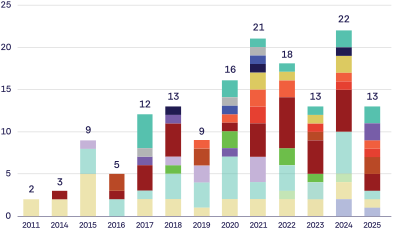
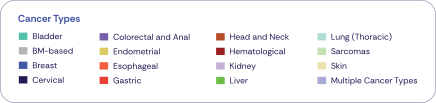
Figure 1B
Total Approvals by Cancer Type
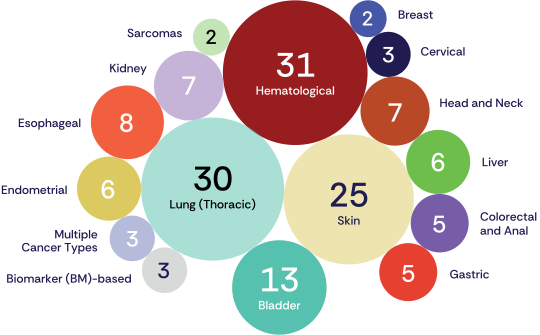
Beyond the top three cancer types, immunotherapy has made steady inroads in multiple indications. Bladder, esophageal, kidney, and head and neck cancers each now have between seven and 13 approvals. A decade ago, a patient with advanced or metastatic bladder cancer had no approved immunotherapy options; today there are multiple, spanning several lines of treatment. That trajectory, repeated across multiple disease areas, is what 156 approvals actually represents: more cancer treatment options for more patients.
What the approval count alone does not capture is how much more complex each individual approval has become. Early ICI approvals were typically evaluated across broader patient populations, while more recent approvals are increasingly based on specific immunotherapy combinations, biomarker-defined subgroups, or particular disease stages, and include formulation updates to existing therapies. This shift has a consequence the field hasn’t fully reckoned with: as approvals get more precise, the patients who benefit are becoming more clearly defined, and so are those who don’t. Questions about access and equity grow more urgent as the science becomes more specific. As a result, the number of approvals per year remains a useful headline metric, but it tells a less complete story than it once did. Increasingly, what matters is who each approval reaches and how it fits alongside existing options.
Modalities in Focus
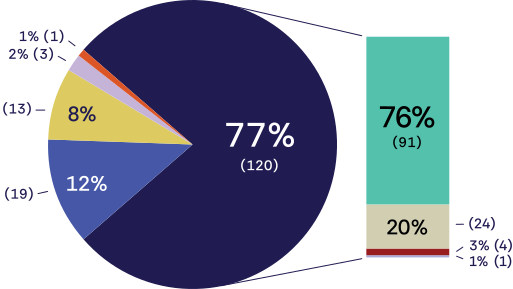
The approvals in this dataset span five therapeutic modalities, each representing a distinct biological strategy for engaging the immune system against cancer. Figure 2A and Figure 2B show the distribution of FDA approvals by therapeutic modality from 2011 through 2025. ICIs, which remain the overwhelmingly dominant modality, account for 120 approvals (77%), cell and gene therapies for 19 (12%), bispecific antibodies for 13 (8%), non-ICI immunomodulators for 3 (2%), and oncolytic viruses for 1 (1%).
FDA-Approved Cancer Immunotherapies by Modality, 2011–2025
Figure 2A
Annual Approvals by Modality
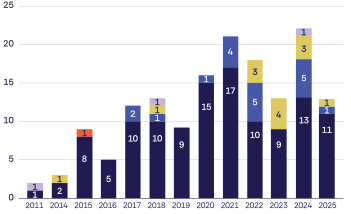
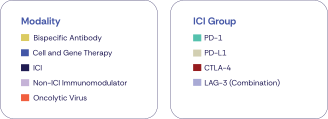
Figure 2B
Total Approvals by Modality
Immune Checkpoint Inhibitors
Within the ICI category (Figure 2B), PD-1 inhibitors account for 91 approvals (76% of all ICIs), PD-L1 inhibitors for 24 (20%), CTLA-4 for 4 (3%), and LAG-3 for 1 (1%). The concentration of 115 PD-1 and PD-L1 approvals in a single molecular axis reflects both the clinical utility of PD-1/PD-L1 blockade and the narrow set of targets the field has successfully validated, with implications for resistance, patient coverage, and long-term therapeutic diversification.5
Beyond these three classes, only one LAG-3-directed approval has been granted to date: nivolumab plus relatlimab (Opdualag®) for patients with melanoma in 2022, underscoring how few ICI targets have cleared the bar outside PD-1/PD-L1. This concentration cuts both ways. PD-1/PD-L1 blockade has produced durable responses across more cancer types than any other immunotherapy class, and landmark trials such as KEYNOTE-006 in melanoma and KEYNOTE-189 in non-small cell lung cancer (NSCLC) established the monotherapy and combination paradigms that remain the standard today. But heavy reliance on a single axis leaves patients who progress on PD-1/PD-L1 therapy with limited ICI alternatives, and the next generation of candidate checkpoint targets (LAG-3, TIGIT, TIM-3) have so far produced only one approved entrant. Similarly, costimulatory receptor agonists targeting CD40, OX40, and 4-1BB have not progressed beyond early clinical testing. Despite early signals of activity, identifying the right combinations, patient populations, and trial designs to demonstrate meaningful clinical benefit remains an open challenge.
Cell and Gene Therapies
Cell and gene therapies account for 19 approvals over the 2011–2025 reporting period (approximately 12% of the total) — the first granted in 2017 — a relatively modest share given the significant investment in this space over the past decade. Chimeric antigen receptor (CAR) T-cell therapies have been approved for seven distinct hematological indications: B-cell acute lymphoblastic leukemia (B-ALL), large B-cell lymphoma, chronic lymphocytic leukemia/small lymphocytic lymphoma (CLL/SLL), follicular lymphoma, mantle cell lymphoma, multiple myeloma, and most recently marginal zone lymphoma (MZL). The addition of lisocabtagene maraleucel (liso-cel; Breyanzi®) for MZL broadens liso-cel’s approved use across indolent B-cell lymphomas, where a single durable response could spare patients years of sequential treatments.
The critical unresolved question for adoptive cell therapy (ACT) remains its effectiveness in solid tumors. As of the end of 2025, only two approvals target solid tumors: lifileucel (Amtagvi®), a tumor-infiltrating lymphocyte (TIL) therapy approved for melanoma in 2024, and afamitresgene autoleucel (afami-cel; Tecelra®), a T-cell receptor (TCR)-engineered therapy approved for synovial sarcoma in 2024. Both achieved meaningful response rates in heavily pretreated patients: 31% for lifileucel6 and 39% for afami-cel,7 but responses were not universal, and durability data are still maturing.
ACTs broadly require lymphodepletion, complex manufacturing, and specialized infusion infrastructure, which limits access in community settings; for solid tumors specifically, the absence of reliable predictors of response remains an additional major limitation. The field has shown that cell therapy can work in solid tumors but not reliably or accessibly enough to fulfill the promise implied by the level of investment. Addressing this gap will likely require either robust biomarkers to identify responders or advances in cell engineering and tumor targeting to expand efficacy.
The field is also closely watching early efforts to develop in vivo CAR T-cell therapies. Instead of removing a patient’s T cells, engineering them in the lab, and reinfusing them, this approach aims to program T cells directly inside the patient’s body using viral vectors or nanoparticles. The idea is straightforward: if this can be done safely, it could reduce the time, cost, and infrastructure required for current CAR T treatments and make them more accessible.
Early clinical data show both promise and concern. In the first published phase 1 trial of an in vivo CAR T-cell therapy (ESO-T01), a lentiviral BCMA-targeted approach was evaluated in patients with relapsed or refractory multiple myeloma. The safety findings were concerning: all five treated patients experienced serious adverse events (grade 3 or higher), including one death, and the study was stopped in 2025, though the sponsor cited corporate restructuring rather than safety as the reason for stopping the trial. At the same time, the trial showed signs of antitumor activity, with four of five patients achieving objective tumor responses, supporting continued interest in the approach.8
The trial also identified an early inflammatory reaction linked to the viral vector itself, a safety signal that differs from what is typically seen with adoptive CAR T-cell therapies and is not yet well understood. Overall, in vivo CAR T-cell therapy remains a promising concept, but these safety issues will need to be addressed before it can move toward broader clinical use or regulatory approval.
Bispecific Antibodies
Bispecific antibodies total 13 approvals through 2025, the most recent being linvoseltamab (Lynozyfic®), a BCMA-directed CD3-engaging bispecific, which received accelerated approval for patients with relapsed or refractory multiple myeloma in July 2025. Multiple myeloma now has four approved bispecifics. Three target BCMA: teclistamab (Tecvayli®), elranatamab (Elrexfio®), and linvoseltamab. The fourth, talquetamab (Talvey®), targets GPRC5D.
The competition in this space for sponsors is unusually intense, even by oncology standards: four approved bispecifics in a single disease, all relatively recent, with response rates that are broadly comparable. Safety profiles are not identical across the class. Cytokine release syndrome (CRS) occurred in 46% of patients on linvoseltamab, lower than rates reported with teclistamab (72%) and elranatamab (58%). The rate of immune effector cell-associated neurotoxicity (ICANS) was higher with linvoseltamab (8%) than with teclistamab (3%) or elranatamab (3%), but grade 3 or higher events were rare across all three agents (≤ 3% in each pivotal trial).9–11 No head-to-head trials exist among the approved myeloma bispecifics, and criteria for sequencing remain undefined. With four approved agents, no comparative data, and no evidence-based framework to guide selection, differentiation on the basis of safety profile, dosing schedule, and patient convenience is likely to define the next phase of clinical and commercial development.
Outside of hematologic malignancies, bispecific antibody development in solid tumors remains largely confined to early-phase trials. Tarlatamab (Imdelltra®), a DLL3-targeting CD3-engaging bispecific, which received accelerated approval for small cell lung cancer (SCLC) in 2024 and was converted to regular approval in November 2025, is a notable exception and a clear proof of concept that T-cell-engaging bispecifics can achieve meaningful responses in solid tumors. Its 40% response rate in heavily pretreated extensive-stage SCLC12 has opened a new treatment paradigm in a disease area that had seen little progress since platinum-based chemotherapy became the standard of care. Beyond the approved agents, one of the most closely watched bispecific programs in oncology is ivonescimab, a PD-1/VEGF bispecific with a Prescription Drug User Fee Act (PDUFA) date of November 14, 2026, the date by which the FDA is expected to issue its approval decision. Its data and regulatory prospects are discussed further in the Eyes on the Horizon section below.
Non-ICI Immunomodulators and Oncolytic Viruses
Non-ICI immunomodulators remain a small category, with three approvals between 2011 and 2025: peginterferon alfa-2b (Sylatron™) for adjuvant treatment of patients with melanoma in 2011, mogamulizumab (Poteligeo®) for patients with relapsed or refractory mycosis fungoides and Sézary syndrome in 2018, and nogapendekin alfa inbakicept (Anktiva®) for patients with Bacillus Calmette-Guérin (BCG)-unresponsive non-muscle-invasive bladder cancer with carcinoma in situ in 2024. Their mechanistic diversity 一 spanning type I interferon signaling, CCR4-mediated regulatory T-cell depletion, and IL-15 receptor agonism 一 illustrates how heterogeneous this category is even at a low approval count. No new agents in this class were approved in 2025.
The oncolytic virus category remains limited to talimogene laherparepvec (T-VEC, Imlygic®), approved in 2015, with no subsequent regulatory entrants despite ongoing efforts. Delivery constraints and variable systemic activity have likely contributed to this limited expansion.
2025 FDA Approval Highlights
In 2025, the FDA granted 13 new cancer immunotherapy approvals, spanning six therapeutic areas and three modalities (Table 2). Eleven were ICIs, one was a CAR T-cell therapy, and one was a bispecific antibody. The mix reflects a year in which the field deepened existing ICI indications, broadened them into new diseases, and continued, if modestly, to diversify its modality portfolio.
Anal Cancer Receives Its First Approved Immunotherapy
The May 2025 approval of retifanlimab for squamous cell carcinoma of the anal canal (SCAC) covered two separate indications in a single action: first-line retifanlimab in combination with carboplatin and paclitaxel, supported by data from the phase 3 POD1UM-303/InterAACT-2 trial, and second-line-plus retifanlimab monotherapy, supported by the phase 2 POD1UM-202 trial. The breadth of that approval, spanning both first- and later-line settings simultaneously, reflects the strength of the underlying data package and the depth of unmet need in this disease.
Anal cancer is not an uncommon disease, with more than 11,000 cases diagnosed annually in the U.S.13 It is also a disease that has carried significant stigma and been chronically underfunded, a combination that likely delayed the clinical investment this approval represents. SCAC is human papilloma virus (HPV)-driven in the majority of cases, and HPV-associated tumors tend to be immunogenic. The prior absence of any approved immune-based treatment for this indication was a meaningful gap.
POD1UM-303/InterAACT-2 demonstrated a statistically significant reduction in the risk of disease progression or death in patients with inoperable locally recurrent or metastatic SCAC, with a median progression-free survival (mPFS) of 9.3 months for the retifanlimab plus chemotherapy arm compared to 7.4 months for chemotherapy alone.14 The trial is also notable as the first completed phase 3 study in this disease setting, a milestone that reflects historical underinvestment rather than any inherent scientific barrier.
More broadly, this approval continues a pattern worth tracking: immunotherapy expanding into cancers with a viral etiology. HPV-driven cervical and head and neck cancers were among the earlier beneficiaries of checkpoint blockade, reflecting tumor microenvironments shaped by foreign viral antigens. Whether this further extends into Epstein-Barr virus (EBV)-driven malignancies beyond nasopharyngeal carcinoma (NPC), or hepatitis C virus (HCV)-associated liver cancer beyond the agents already approved, remains an open question.
Penpulimab: What Does Another PD-1 Inhibitor Add?
Penpulimab was approved in April 2025 for NPC, covering two indications. The first is first-line treatment in combination with cisplatin or carboplatin and gemcitabine for adults with recurrent or metastatic non-keratinizing NPC, supported by the phase 3 AK105-304 trial.15 The second is single-agent treatment for adults with metastatic non-keratinizing NPC whose disease progressed on or after platinum-based chemotherapy and at least one prior line of therapy, supported by the phase 2 AK105-202 study.16 Penpulimab was developed by Akeso, with further development and commercialization managed through a joint venture with Chia Tai-Tianqing Pharmaceutical Group. This also marks Akeso’s first internally developed biologic to receive FDA approval.
NPC is an EBV-associated malignancy disproportionately prevalent in East and Southeast Asia17 and one where PD-1 inhibition has already demonstrated clinical utility: toripalimab (Loqtorzi™) received FDA approval for this indication in 2023. Penpulimab is the second FDA-approved PD-1 inhibitor in NPC. Whether this approval offers meaningful differentiation from toripalimab in practice, or competes primarily on access and pricing, is a question the clinical community will need to answer without the benefit of head-to-head data.
The broader significance of the penpulimab approval is what it illustrates about Chinese-origin oncology assets reaching the U.S. market. The volume of Chinese pharmaceutical molecules entering Western licensing and regulatory pathways has grown substantially over the past several years,18 and two of the most prominent examples in immunotherapy are penpulimab, where Akeso filed directly with the FDA, and ivonescimab, where Akeso’s asset is being developed in the U.S. by Summit Therapeutics. Whether this produces genuine therapeutic diversity or primarily adds commercial competition within established drug classes remains to be seen 一 but the structural shift in how the global oncology pipeline reaches U.S. patients is already underway.
Subcutaneous Delivery: Pembrolizumab SC Broadens the Platform
The September 2025 approval of SC pembrolizumab — covering the solid tumor indications held by intravenous (IV) pembrolizumab (Keytruda®) at filing — is likely the most commercially consequential approval of 2025. Keytruda is the world’s top-selling oncology drug, and the SC formulation can be administered in one to two minutes, depending on dosing schedule, compared to 30 minutes for IV infusion.19,20 A prospective time-and-motion study within the supporting MK-3475A-D77 trial found that SC administration reduced patient chair time by approximately 50% and total healthcare professional time by 46%,21 with comparable efficacy and safety to the IV formulation.19
Building on the SC approvals of atezolizumab and nivolumab in 2024, the pembrolizumab SC approval represents a meaningful directional shift in how the three most widely used ICI agents are delivered. Whether that shift accelerates further depends on uptake data that are still emerging, but the implications for infusion center capacity, community oncology settings, and the longer-term feasibility of home administration are worth taking seriously. The field should be explicit that SC ICI delivery is an access intervention as much as a convenience improvement, particularly for patients in healthcare-limited settings or with limited mobility.
Linvoseltamab: Entering a Crowded but Growing Myeloma Bispecific Market
Linvoseltamab received accelerated approval in July 2025 for patients with relapsed or refractory multiple myeloma who have received at least four prior lines of therapy, including a proteasome inhibitor, an immunomodulatory agent, and an anti-CD38 monoclonal antibody. The approval adds a third BCMA-directed bispecific antibody to the U.S. market, following teclistamab (2022) and elranatamab (2023). The approval was based on data from the phase 1/2 LINKER-MM1 trial, in which linvoseltamab produced an overall response rate of 70% with durable responses: 89% of responders maintained their response at 9 months and 72% at 12 months.22 With three BCMA-directed bispecifics now approved, the more pressing clinical question is no longer whether BCMA-directed therapy works in heavily pretreated myeloma but how to sequence linvoseltamab against teclistamab, elranatamab, and BCMA-directed CAR T therapies in patients whose disease has progressed through multiple prior lines of treatment.
Liso-cel: CAR T Expands into Marginal Zone Lymphoma
The December 2025 approval of liso-cel for patients with relapsed or refractory MZL after at least two prior lines of systemic therapy is Breyanzi’s fifth approved disease-area indication, following large B-cell lymphoma, CLL/SLL, follicular lymphoma, and mantle cell lymphoma.23 The approval was based on the TRANSCEND FL-MZL cohort, an open-label, multicenter, single-arm phase 2 trial. In the FDA efficacy analysis of the intention-to-treat population (n=77), the overall response rate was 84% (95% CI 74–92%), and the complete response rate was 56% (95% CI 44–67%), with median duration of response not yet reached.23 Among efficacy-evaluable patients (n=66) at a median follow-up of approximately 22-24 months, the 24-month duration-of-response rate was 89%, and the 24-month PFS rate was 86%.24 Taken together, these data support a credible case for durable benefit in an indolent disease setting.
MZL is a slow-growing malignancy where patients may cycle through subsequent lines of conventional therapy for years. A one-time CAR T-cell infusion with response rates and durability of this magnitude is a clinically meaningful alternative. The access constraints common to all ACTs apply here as well. The MZL-specific open question is how to sequence liso-cel — identifying which patients benefit most from early versus later use and how it fits alongside bispecific antibodies now approved for patients with indolent B-cell lymphomas — questions that prospective comparative data will need to answer.
Regulatory Maturation: The Accelerated-to-Regular Conversion Wave
A defining feature of 2025 was the number of accelerated approvals that converted to regular status. Six conversions occurred during the calendar year, the largest single-year cohort to date in cancer immunotherapy. Each is summarized in Table 3.
These were not administrative formalities. Each of these conversions required a confirmatory randomized trial demonstrating clinical benefit, with most based on overall survival (OS) or PFS improvements over standard care. This represents meaningful evidentiary progress beyond the surrogate endpoints that supported the original accelerated approvals.
The pace of conversions reflects, in part, the FDA’s stricter enforcement of post-marketing confirmatory trial requirements, enabled by reforms under the Food and Drug Omnibus Reform Act of 2022 (FDORA).31 Several accelerated approvals in oncology, outside the immunotherapy space, have been withdrawn in recent years after failing to confirm benefit. Of 44 accelerated approvals to date, 21 have confirmed benefit and converted to regular approval, and eight were voluntarily withdrawn. That conversion rate broadly mirrors the wider oncology pattern: across all cancer accelerated approvals between 2013 and 2017, 43% demonstrated clinical benefit in confirmatory trials after five years.32 For immunotherapy specifically, this likely reflects the durability of benefit observed with checkpoint blockade, well-powered confirmatory phase 3 programs run in parallel with accelerated approval submissions, and the biological validation of PD-1/PD-L1 inhibition — but should not be taken as assurance that all pending confirmatory trials will succeed.
Eyes on the Horizon for 2026
Several threads from 2025 are likely to define the immunotherapy approval landscape in 2026 and beyond. We highlight the developments most likely to have near-term regulatory impact, alongside the field’s most critical unresolved questions.
Ivonescimab: The First U.S. Regulatory Test for a PD-1/VEGF Bispecific Antibody
Ivonescimab is a bispecific antibody targeting both PD-1 and VEGF within a single molecule, and it is among the most closely watched drugs in oncology development as of early 2026. The mechanistic argument is genuinely distinct from simply combining two existing agents. PD-1/PD-L1 axis and VEGF inhibition have been paired before, e.g., atezolizumab (Tecentriq®) plus bevacizumab (Avastin®) in patients with liver cancer, but always as two separate drugs. A bispecific molecule that simultaneously engages both targets may exploit cooperative binding properties that co-administration cannot replicate.
The FDA accepted a Biologics License Application (BLA) for ivonescimab in combination with chemotherapy for EGFR-mutated locally advanced or metastatic non-squamous NSCLC following progression on a prior EGFR tyrosine kinase inhibitor, with a PDUFA date of November 14, 2026. The application is supported by data from the phase 3 HARMONi trial, which demonstrated a statistically significant improvement in PFS compared to chemotherapy alone in this setting.33
This is a different and more specific population than the one that generated the most public attention. The HARMONi-2 trial compared ivonescimab to pembrolizumab monotherapy in first-line PD-L1-positive NSCLC and showed a 49% reduction in the risk of disease progression or death,34 but that trial was conducted entirely in China. As of the January 2026 BLA acceptance announcement, no U.S. regulatory submission had been filed for that indication. The near-term U.S. decision is therefore about second-line EGFR-mutated disease, not the first-line pembrolizumab comparison that has drawn wider discussion. If approved, it would mark the first FDA authorization of a PD-1/VEGF bispecific antibody, a meaningful regulatory precedent that could accelerate the broader class. If the FDA declines or requests additional data, it would raise questions about how much weight the agency will place on China-conducted trials in supporting U.S. approvals, a question with implications well beyond ivonescimab.
The scale of Chinese biopharma’s push into Western markets makes that question increasingly urgent: Chinese firms licensed out $30 billion in oncology assets in 2024, three times the comparable U.S. figure, and the largest deals of 2025 followed the same direction.35,36 How the FDA handles this first major test of Chinese biopharma’s push into U.S. markets will set a precedent the industry is watching closely.
Tec-Dara: A Glimpse of What Early Bispecific Use Can Achieve
The March 2026 FDA approval of teclistamab plus SC daratumumab (Darzalex Faspro®), also referred to as Tec-Dara, for patients with relapsed or refractory multiple myeloma after at least one prior line of therapy arrived just outside this report’s 2025 scope, but the underlying MajesTEC-3 data were presented at the American Society of Hematology meeting in December 2025 and deserve mention. The combination reduced the risk of disease progression or death by 83% (HR 0.17) compared to standard second-line therapy, with an overall response rate of 89% and a complete response rate of 82%, numbers that have no precedent in this disease setting.37 The approval also came in 55 days under the CNPV program, the third drug to clear that accelerated pathway. It also converted teclistamab’s 2022 accelerated approval as fourth line or later monotherapy to traditional approval, formally completing the trajectory of the first-in-class bispecific in this disease. Tec-Dara signals where the myeloma bispecific field is heading: earlier use, in combination, with deeper and more durable responses than monotherapy alone has achieved.38
Dostarlimab and dMMR Tumors: Towards Surgery-Free Treatment
A landmark 2025 publication39 demonstrated complete clinical responses with dostarlimab monotherapy in patients with dMMR solid tumors, with some patients achieving responses that eliminated the need for surgery entirely. The finding was initially established in patients with rectal cancer and subsequently extended to patients with other dMMR solid tumor types.
If durable complete responses can be achieved with checkpoint blockade alone across dMMR cancers, the roughly 3% of patients with dMMR solid tumors (concentrated in endometrial at 25%, colorectal at 10%, and gastric at 10%) could potentially avoid radical surgery, radiation, or chemotherapy.40,41 Evaluating IO monotherapy as a curative-intent alternative to surgery in localized disease — distinct from its established adjuvant, neoadjuvant, and metastatic roles — would require regulatory frameworks that are not yet established, and the FDA will likely need to develop new approaches to define and measure non-surgical cure as an endpoint. This is not a 2026 approval prospect, but it represents one of the most clinically meaningful paradigm shifts currently being validated, with implications for how curative-intent care is delivered to patients with dMMR tumors and how regulatory frameworks define non-surgical cure. Notably, dostarlimab for dMMR/microsatellite instability-high (MSI-H) rectal cancer received a CNPV designation in November 2025,42 which could reduce the FDA review timeline to as little as one to two months once a submission is filed, meaning a regulatory decision may arrive sooner than the standard development timeline would suggest.
Next-Generation Checkpoints: Post-TIGIT Reckoning
The high-profile failures of TIGIT inhibitors, most notably tiragolumab and vibostolimab, have significantly reduced enthusiasm for the next wave of checkpoint targets. LAG-3 is already represented by the nivolumab plus relatlimab approval and has additional combination programs in development. TIM-3 inhibitors have shown modest early signals in some programs, whereas VISTA, PVRIG, and ILT4 remain in earlier clinical stages. The TIGIT experience exposed a fundamental gap: preclinical models have proven unreliable predictors of human response, particularly at biomarker-undefined doses in unselected populations, and the field has yet to develop the translational tools needed to close it. CRI’s recently launched Discovery Engine is among the efforts aimed directly at this problem, generating and sharing standardized, AI-ready data on immune response dynamics, including in cases where treatments fail.43
Cancer Vaccines: An Inflection Point
Neoantigen-based and shared-antigen cancer vaccines are approaching their first meaningful phase 3 readouts. KRAS-specific mRNA vaccines for patients with pancreatic and colorectal cancers are in active phase 2 studies with data anticipated in 2026, though timelines may shift. The personalized neoantigen vaccine mRNA-4157 (V940) is being developed by Moderna and Merck for use in combination with pembrolizumab in patients with resected high-risk stage IIIB-IV melanoma. The vaccine has moved into a multi-trial phase 3 program after encouraging results from the phase 2b KEYNOTE-942 trial showed a 49% reduction in the risk of recurrence or death and a 62% reduction in distant metastasis or death versus pembrolizumab alone.44 The pivotal phase 3 INTerpath-001 trial in melanoma is expected to read out first, followed by INTerpath-002 and INTerpath-009 in resected NSCLC.
If a therapeutic vaccine achieves a positive phase 3 trial and approval in patients with a common cancer, it would likely represent the most consequential regulatory milestone in cancer immunotherapy since the first ICI approvals. It would also require this report to add a standalone vaccine modality category, one that does not yet exist in the dataset because no therapeutic cancer vaccine has been approved in the 2011-2025 window. An approval would also establish vaccines as a combinatorial platform, opening rational combination strategies with ICIs, bispecific antibodies, and targeted therapies that are already in early development but lack the regulatory anchor an approval would provide.
FDA Modernization: From Signal to Practice
FDA leadership has signaled meaningful intent to modernize regulatory processes that have grown slow and resource-intensive. Several initiatives are advancing in parallel: clearer pathways for single pivotal trial approvals, expansion of real-time oncology review, the PreCheck pilot for risk-based manufacturing oversight, and CNPV. For IO sponsors, this represents the most concerted effort in years to compress development timelines without sacrificing scientific rigor.
A related modernization question concerns trial design itself. When early-phase data show response rates above 50% against historical controls that are clearly inferior, randomizing patients to a known weaker comparator becomes harder to justify ethically. This issue is especially acute in rapidly progressing cancers like advanced lung and gastrointestinal disease, where months on an inferior arm can foreclose later treatment options. Synthetic control arms built from contemporaneous registry data, and randomized designs that permit crossover to the experimental therapy at progression, offer paths that preserve regulatory rigor without exposing patients to clearly suboptimal treatment. Whether FDA guidance will formalize these approaches beyond the existing single-arm accelerated approval pathway is one of the more substantive design questions for 2026.
Translation into practice has been less consistent, as the RP1 experience illustrates. RP1 (vusolimogene oderparepvec, Replimune), an oncolytic immunotherapy, plus nivolumab in advanced melanoma after anti-PD-1 progression received complete response letters (CRL) in July 2025 and April 2026. The first cited inadequacy of the IGNYTE trial as a controlled investigation, patient heterogeneity, and IGNYTE-3 design concerns. After Replimune addressed the heterogeneity issue with expert testimony at a September 2025 Type A meeting, the second CRL maintained that the inability to isolate RP1’s individual contribution to efficacy and the immaturity of IGNYTE-3 (which had enrolled only ~10% of its planned population) remained insufficient grounds for accelerated approval. A forthcoming CRI Leadership Council commentary argues the underlying issue is structural: advisory processes are still asked to resolve foundational scientific questions late in development, when options are most constrained. Whether the various modernization initiatives coalesce into a coherent framework or remain a set of one-off pilots will be one of the more consequential storylines of 2026.
The Approval-Access Gap: An Urgent Unaddressed Issue
The 156 FDA approvals between 2011 and 2025 are an impressive regulatory number. How many of those agents actually reach patients across economic strata, insurance categories, and geographies within the U.S., let alone in the low- and middle-income countries where patients face an even steeper access gap, is a different and more complex question that this report cannot answer. This edition does not include real-world utilization data this cycle, but the absence of that analysis does not diminish the importance of the question. The SC formulation trend is arguably one of the few structural developments in 2024 and 2025 that directly addresses access by reducing infusion chair requirements and creating the technical precondition for home administration.
The SC formulation trend has been framed as a meaningful step toward improving patient access 一 reduced chair time, lower infusion center burden, and a path toward home administration for appropriate patients20,45 一 and it may well deliver on those benefits. However, a recently published commentary raises a legitimate counterpoint. As the patents for IV pembrolizumab approach expiry, a new SC formulation appears that can secure new patent protection and potentially extend exclusivity for years, a strategy sometimes described as patent “evergreening”. The primary patent for IV pembrolizumab expires in 2028 in the U.S.,46,47 at which point lower-cost biosimilar IV formulations would become available. If clinical practice shifts significantly to SC formulation before that point, the biosimilar savings that the health systems were counting on may not materialize. The equity argument for SC delivery is therefore more complicated than it first appears: faster administration at a clinic is a patient benefit, but if it comes at the cost of delaying biosimilar competition and sustaining high drug prices, the net access impact is far from clear.48 The broader point is that regulatory approval is a milestone, not an outcome. Whether the 156 approved agents actually reach patients depends on a layered set of factors including formulation, pricing, biosimilar competition, and access infrastructure. Future editions of this report will aim to track these dimensions directly.
Conclusions
Fourteen years of FDA cancer immunotherapy approvals have produced a field that is no longer defined by individual breakthroughs. The 156 approvals tell a coherent story: the early 2010s established that checkpoint blockade could work; the late 2010s extended it across cancer types; the early 2020s diversified modalities; and 2025 was a year of validation, refinement, and consolidation. Each phase has had its own logic, and the transitions have come quickly.
What 2025 sets up for the coming year is a period in which the central questions become harder to answer with approval counts alone. Conversion outcomes will continue to accumulate, and the gap between regulatory conversion and confirmed clinical benefit will become a more visible analytical concern. New disease areas will likely follow the anal cancer template: cancer types that have historically attracted less IO investment. More IO candidates will move through the CNPV pathway. And Chinese biopharma’s role in originating IO assets will continue to expand, raising competitive and policy questions for the U.S. innovation ecosystem.
Methods and Limitations
This report is based on a curated database of FDA immunotherapy approvals from 2011 through 2025. Primary sources include FDA approval announcements, prescribing information updates, regulatory review documents, and published clinical trial results. Entries were independently verified against official FDA drug databases and cross-referenced with publicly available approval histories.
Immunotherapies are classified by therapeutic modality (ICI, cell and gene therapy, bispecific antibody, non-ICI immunomodulator, oncolytic virus) and by cancer type. Combination regimens are attributed to a single modality based on the primary immunotherapy component. SC reformulations of existing agents are counted as separate entries where the FDA issued a distinct approval action, given that these approvals carry independent regulatory review, distinct pharmacokinetic data packages, and their own prescribing labels.
Antibody-drug conjugates (ADCs) and other targeted therapies without a direct immune mechanism are excluded, as the report’s scope is limited to therapies that engage the immune system as their primary mode of action. No therapeutic cancer vaccines were FDA-approved within the 2011–2025 window. Late-stage vaccine candidates are discussed where relevant but contribute no entries to quantitative counts.
International approvals from the European Medicines Agency (EMA), China’s National Medical Products Administration (NMPA), and Japan’s Pharmaceuticals and Medical Devices Agency (PMDA) are referenced for qualitative context but are not included in quantitative counts.
Approval counts by year reflect the date of original FDA approval action. Subsequent conversions of accelerated approvals to regular status, label expansions, and other follow-on approval actions do not generate new entries and do not change the original approval year.
A review of the prior edition’s database (2025) identified three categories of entries requiring correction: duplicate records where combination regimen partners had been counted as separate approvals, misclassified modality attributions, and inconsistent classification of accelerated-to-regular conversion entries. As a result, some figures in this report differ from those published in the prior edition. Most notably, the total approval count through the end of the coverage period and the ICI proportion (now 77%, versus 81% previously reported) reflect these corrections. Table 1 in this report represents the most current and corrected dataset and should be used as the reference for any figures cited from this edition.
TABLE 1: FDA-Approved Cancer Immunotherapies, 2011–2025
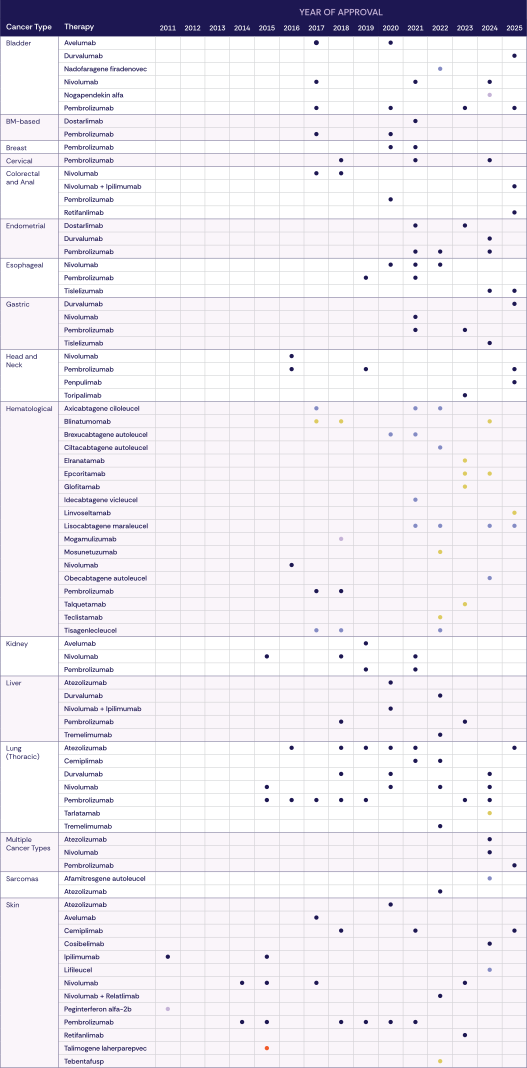
TABLE 2: Clinical Trial Endpoints of FDA-Approved Cancer Immunotherapies, 2025
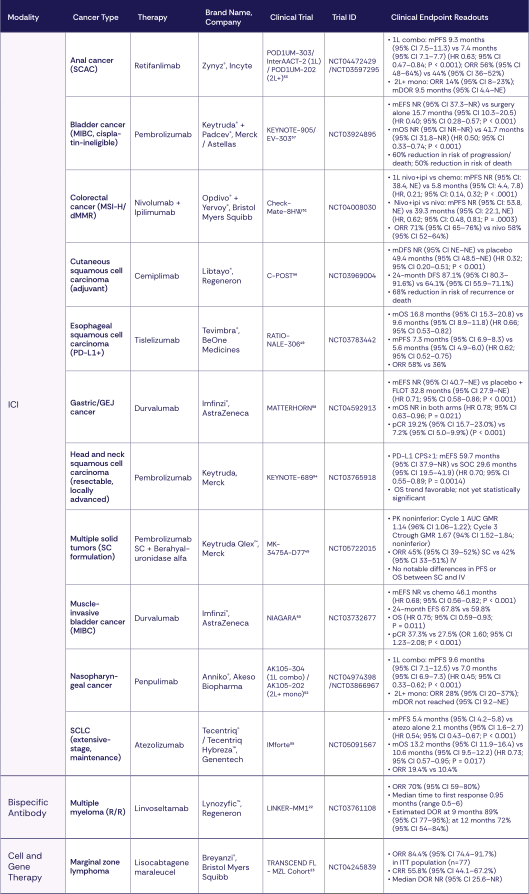
TABLE 3: Accelerated-to-Regular Approval Conversions, 2025
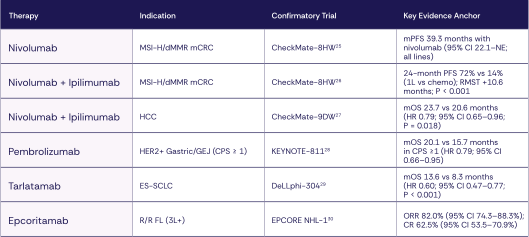
Abbreviations: 1L, first line. 2L+, second line or later. 3L+, third line or later. Atezo, atezolizumab. AUC, area under the curve. Chemo, chemotherapy. Chemoradio, chemotherapy and radiotherapy. CI, confidence interval. Combo, combination. CPS, combined positive score. CR, complete response. CRR, complete response rate. CRS, cytokine release syndrome. Ctrough, trough concentration. DFS, disease-free survival. dMMR, mismatch repair deficient. DOR, duration of response. EFS, event-free survival. ES-SCLC, extensive-stage small cell lung cancer. FL, follicular lymphoma. FLOT, fluorouracil, leucovorin, oxaliplatin, and docetaxel. GEJ, gastroesophageal junction. GMR, geometric mean ratio. HCC, hepatocellular carcinoma. HER2+, human epidermal growth factor receptor 2-positive. HR, hazard ratio. Ipi, ipilimumab. ITT, intention-to-treat. IV, intravenous. mCRC, metastatic colorectal cancer. mDOR, median duration of response. mEFS, median event-free survival. Mono, monotherapy. mOS, median overall survival. mPFS, median progression-free survival. MSI-H, microsatellite instability-high. NE, not estimable. Nivo, nivolumab. NR, not reached. OR, odds ratio. ORR, overall response rate. OS, overall survival. pCR, pathological complete response. PFS, progression-free survival. PK, pharmacokinetics. PR, partial response. RMST, restricted mean survival time. R/R, relapsed/refractory. SC, subcutaneous.
References
- Bray F, Laversanne M, Sung H, et al. Global cancer statistics 2022: GLOBOCAN estimates of incidence and mortality worldwide for 36 cancers in 185 countries. CA Cancer J Clin. 2024;74(3):229-263. doi:10.3322/caac.21834
- Siegel RL, Kratzer TB, Giaquinto AN, Sung H, Jemal A. Cancer statistics, 2025. CA Cancer J Clin. 2025;75(1):10-45. doi:10.3322/caac.21871
- Zhao J, Xu L, Sun J, et al. Global trends in incidence, death, burden and risk factors of early-onset cancer from 1990 to 2019. BMJ Oncol. 2023;2(1):e000049. doi: 10.1136/bmjonc-2023-000049
- Sharma P, Allison JP. The future of immune checkpoint therapy. Science. 2015;348(6230):56-61. doi:10.1126/science.aaa8172
- Sharma P, Hu-Lieskovan S, Wargo JA, Ribas A. Primary, adaptive, and acquired resistance to cancer immunotherapy. Cell. 2017;168(4):707-723. doi:10.1016/j.cell.2017.01.017
- Chesney J, Lewis KD, Kluger H, et al. Efficacy and safety of lifileucel, a one-time autologous tumor-infiltrating lymphocyte (TIL) cell therapy, in patients with advanced melanoma after progression on immune checkpoint inhibitors and targeted therapies: pooled analysis of consecutive cohorts of the C-144-01 study. J Immunother Cancer. 2022;10(12):e005755. doi:10.1136/jitc-2022-005755
- D’Angelo SP, Araujo DM, Abdul Razak AR, et al. Afamitresgene autoleucel for advanced synovial sarcoma and myxoid round cell liposarcoma (SPEARHEAD-1): an international, open-label, phase 2 trial. Lancet. 2024;403(10435):1460-1471. doi:10.1016/S0140-6736(24)00319-2
- An N, Wang D, Zhang P, et al. In vivo generation of anti-BCMA CAR-T cells in relapsed or refractory multiple myeloma: a phase 1 study. Nat Med. 2026;32(4):1257-1266. doi:10.1038/s41591-026-04244-6
- Bumma N, Richter J, Jagannath S, et al. Linvoseltamab for treatment of relapsed/refractory multiple myeloma. J Clin Oncol. 2024;42(22):2702-2712. doi:10.1200/JCO.24.01008
- Lesokhin AM, Tomasson MH, Arnulf B, et al. Elranatamab in relapsed or refractory multiple myeloma: phase 2 MagnetisMM-3 trial results. Nat Med. 2023;29(9):2259-2267. doi:10.1038/s41591-023-02528-9
- Moreau P, Garfall AL, van de Donk NWCJ, et al. Teclistamab in relapsed or refractory multiple myeloma. N Engl J Med. 2022;387(6):495-505. doi:10.1056/NEJMoa2203478
- Ahn MJ, Cho BC, Felip E, et al. Tarlatamab for patients with previously treated small-cell lung cancer. N Engl J Med. 2023;389(22):2063-2075. doi:10.1056/NEJMoa2307980
- Siegel RL, Kratzer TB, Wagle NS, Sung H, Jemal A. Cancer statistics, 2026. CA Cancer J Clin. 2026;76(1):e70043. doi:10.3322/caac.70043
- Rao S, Samalin-Scalzi E, Evesque L, et al. Retifanlimab with carboplatin and paclitaxel for locally recurrent or metastatic squamous cell carcinoma of the anal canal (POD1UM-303/InterAACT-2): a global, phase 3 randomised controlled trial. Lancet. 2025;405(10495):2144-2152. doi:10.1016/S0140-6736(25)00631-2
- Hu C, Chen X, Xu T, et al. Abstract CT011: Penpulimab versus placebo in combination with chemotherapy as first-line treatment for recurrent or metastatic nasopharyngeal carcinoma: A global, multicenter, randomized, double-blind, phase 3 trial (AK105-304). Cancer Res. 2025;85(8_Supplement_2):CT011-CT011. doi:10.1158/1538-7445.am2025-ct011
- Chen X, Wang W, Zou Q, et al. Penpulimab, an anti-PD-1 antibody, for heavily pretreated metastatic nasopharyngeal carcinoma: a single-arm phase II study. Signal Transduct Target Ther. 2024;9(1):148. doi:10.1038/s41392-024-01865-6
- Chen YP, Chan ATC, Le QT, Blanchard P, Sun Y, Ma J. Nasopharyngeal carcinoma. Lancet. 2019;394(10192):64-80. doi:10.1016/S0140-6736(19)30956-0
- Tang L. Analysis of China-to-West pharmaceutical licensing deals in 2024. Nat Rev Drug Discov. 2025;24(6):411-412. doi:10.1038/d41573-025-00068-0
- Felip E, Rojas CI, Schenker M, et al. Subcutaneous versus intravenous pembrolizumab, in combination with chemotherapy, for treatment of metastatic non-small-cell lung cancer: the phase III 3475A-D77 trial. Ann Oncol. 2025;36(7):775-785. doi:10.1016/j.annonc.2025.03.012
- FDA Approves Merck’s KEYTRUDA QLEX (pembrolizumab and Berahyaluronidase Alfa-Pmph) Injection for Subcutaneous Use in Adults Across Most Solid Tumor Indications for KEYTRUDA (pembrolizumab). Merck.com. September 19, 2025. Accessed May 17, 2026.
- De Cock E, Oskar S, Lourdudoss C, et al. A time and motion study comparing subcutaneous pembrolizumab versus intravenous pembrolizumab in combination with chemotherapy for the treatment of metastatic non-small cell lung cancer. Adv Ther. 2025;42(12):6175-6189. doi:10.1007/s12325-025-03365-7
- FDA grants accelerated approval to linvoseltamab-gcpt for relapsed or refractory multiple myeloma. U.S. FDA. July 2, 2025. Accessed April 27, 2026.
- FDA approves lisocabtagene maraleucel for relapsed or refractory marginal zone lymphoma. U.S. FDA. December 4, 2025. Accessed April 27, 2026.
- Bristol Myers Squibb Presents First Data from the Marginal Zone Lymphoma Cohort of the Transcend FL Trial Demonstrating Deep and Durable Responses with Breyanzi (lisocabtagene maraleucel). Accessed April 27, 2026.
- André T, Elez E, Lenz HJ, et al. Nivolumab plus ipilimumab versus nivolumab in microsatellite instability-high metastatic colorectal cancer (CheckMate 8HW): a randomised, open-label, phase 3 trial. Lancet. 2025;405(10476):383-395. doi:10.1016/S0140-6736(24)02848-4
- André T, Elez E, Van Cutsem E, et al. Nivolumab plus ipilimumab in microsatellite-instability-high metastatic colorectal cancer. N Engl J Med. 2024;391(21):2014-2026. doi:10.1056/NEJMoa2402141
- Yau T, Galle PR, Decaens T, et al. Nivolumab plus ipilimumab versus lenvatinib or sorafenib as first-line treatment for unresectable hepatocellular carcinoma (CheckMate 9DW): an open-label, randomised, phase 3 trial. Lancet. 2025;405(10492):1851-1864. doi:10.1016/S0140-6736(25)00403-9
- Janjigian YY, Kawazoe A, Bai Y, et al. 1400O Final overall survival for the phase III, KEYNOTE-811 study of pembrolizumab plus trastuzumab and chemotherapy for HER2+ advanced, unresectable or metastatic G/GEJ adenocarcinoma. Ann Oncol. 2024;35:S877-S878. doi:10.1016/j.annonc.2024.08.1466
- Mountzios G, Sun L, Cho BC, et al. Tarlatamab in small-cell lung cancer after platinum-based chemotherapy. N Engl J Med. 2025;393(4):349-361. doi:10.1056/NEJMoa2502099
- Linton KM, Vitolo U, Jurczak W, et al. Epcoritamab monotherapy in patients with relapsed or refractory follicular lymphoma (EPCORE NHL-1): a phase 2 cohort of a single-arm, multicentre study. Lancet Haematol. 2024;11(8):e593-e605. doi:10.1016/S2352-3026(24)00166-2
- Accelerated Approval and Considerations for Determining Whether a Confirmatory Trial is Underway. U.S. Food and Drug Administration. U.S. FDA. January 6, 2025. Accessed April 27, 2026.
- Liu ITT, Kesselheim AS, Cliff ERS. Clinical benefit and regulatory outcomes of cancer drugs receiving accelerated approval. JAMA. 2024;331(17):1471-1479. doi:10.1001/jama.2024.2396
- Goldman JW, Passaro A, Laskin J, et al. PL02.12 ivonescimab vs placebo plus chemo, phase 3 in patients with EGFR+ NSCLC progressed with 3rd gen EGFR-TKI treatment: HARMONi. J Thorac Oncol. 2025;20(10):S2-S3. doi:10.1016/j.jtho.2025.09.017
- Xiong A, Wang L, Chen J, et al. Ivonescimab versus pembrolizumab for PD-L1-positive non-small cell lung cancer (HARMONi-2): a randomised, double-blind, phase 3 study in China. Lancet. 2025;405(10481):839-849. doi:10.1016/S0140-6736(24)02722-3
- China’s biopharma commands $30 billion in oncology licensing deals, triples US output in 2024, reveals GlobalData. GlobalData. May 27, 2025. Accessed May 6, 2026.
- China’s Biopharma Dealmaking Surges in H1 2025, Driven by Record Licensing and Oncology Focus. Accessed May 6, 2026.
- Costa LJ, Bahlis NJ, Perrot A, et al. Teclistamab plus daratumumab in relapsed or refractory multiple myeloma. N Engl J Med. 2026;394(8):739-752. doi:10.1056/NEJMoa2514663
- FDA Grants Third Approval Under the National Priority Voucher Program. U.S. FDA. March 5, 2026. Accessed April 29, 2026.
- Cercek A, Foote MB, Rousseau B, et al. Nonoperative management of mismatch repair-deficient tumors. N Engl J Med. 2025;392(23):2297-2308. doi:10.1056/NEJMoa2404512
- Lorenzi M, Amonkar M, Zhang J, Mehta S, Liaw KL. Epidemiology of Microsatellite Instability High (MSI-H) and Deficient Mismatch Repair (dMMR) in Solid Tumors: A Structured Literature Review. J Oncol. 2020;2020:1-17. doi:10.1155/2020/1807929
- Kang YJ, O’Haire S, Franchini F, et al. A scoping review and meta-analysis on the prevalence of pan-tumour biomarkers (dMMR, MSI, high TMB) in different solid tumours. Sci Rep. 2022;12(1):20495. doi:10.1038/s41598-022-23319-1
- FDA Awards Second Batch of National Priority Vouchers. U.S. Food and Drug Administration. U.S. FDA. November 6, 2025. Accessed May 6, 2026.
- CRI Discovery Engine Inaugurates New Chapter in Immunotherapy, Creating the First-of-its-Kind AI-Ready Database. Cancer Research Institute. January 12, 2026. Accessed May 6, 2026.
- Weber JS, Khattak MA, Carlino MS, et al. Individualized neoantigen therapy mRNA-4157 (V940) plus pembrolizumab in resected melanoma: 3-year update from the mRNA-4157-P201 (KEYNOTE-942) trial. J Clin Oncol. 2024;42(17_suppl):LBA9512-LBA9512. doi:10.1200/jco.2024.42.17_suppl.lba9512
- FDA Approves Pembrolizumab and Berahyaluronidase Alfa-Pmph for Subcutaneous Injection. U.S. FDA. September 19, 2025. Accessed May 1, 2026.
- Merck & Co., Inc. Annual Report (Form 10-K) for Fiscal Year 2024. U.S. Securities and Exchange Commission. February 25, 2025. Accessed May 1, 2026.
- Law B. Merck’s New Keytruda Shot Is a Rare Real-Time “Product Hop.” Bloomberg Law. May 7, 2025. Accessed May 1, 2026.
- Teuwen LA, Riechelmann RP, Gyawali B. Beyond convenience: Does subcutaneous pembrolizumab add value for patients and health systems? J Clin Oncol. 2026;(JCO-25-02619):JCO2502619. doi:10.1200/JCO-25-02619
- FDA Approves First-Line Tislelizumab Plus Chemotherapy for Unresectable or Metastatic ESCC. OncLive. March 4, 2025. Accessed May 17, 2026.
- FDA Approves Durvalumab for Muscle Invasive Bladder Cancer. U.S. FDA. March 28, 2025. Accessed May 17, 2026.
- FDA Approves Nivolumab With Ipilimumab for Unresectable or Metastatic MSI-H or dMMR Colorectal Cancer. U.S. Food and Drug Administration. U.S. FDA. April 8, 2025. Accessed May 17, 2026.
- FDA Approves Penpulimab-kcqx for Non-Keratinizing Nasopharyngeal Carcinoma. U.S. FDA. April 23, 2025. Accessed May 17, 2026.
- FDA Approves Retifanlimab-dlwr With Carboplatin and Paclitaxel and as a Single Agent for Squamous Cell Carcinoma of the Anal Canal. U.S. FDA. May 15, 2025. Accessed May 17, 2026.
- FDA Approves Neoadjuvant and Adjuvant Pembrolizumab for Resectable Locally Advanced Head and Neck Squamous Cell Carcinoma. U.S. FDA. June 12, 2025. Accessed May 17, 2026.
- FDA Approves Lurbinectedin in Combination With Atezolizumab or Atezolizumab and Hyaluronidase-tqjs for Extensive-Stage Small Cell Lung Cancer. U.S. FDA. October 2, 2025. Accessed May 17, 2026.
- FDA Approves Cemiplimab-rwlc for Adjuvant Treatment of Cutaneous Squamous Cell Carcinoma. U.S. FDA. October 8, 2025. Accessed May 17, 2026.
- FDA Approves Pembrolizumab With Enfortumab Vedotin-ejfv for Muscle Invasive Bladder Cancer. U.S. FDA. November 21, 2025. Accessed May 17, 2026.
- FDA Approves Durvalumab for Resectable Gastric or Gastroesophageal Junction Adenocarcinoma. U.S. FDA. November 25, 2025. Accessed May 17, 2026.
How to Cite This Report:
Cancer Research Institute. CI3: Cancer Immunotherapy Insights & Impact 2026.
Immunotherapy Resources for Researchers

Explore the IO Landscape Dashboard
Use our interactive dashboard to review and track the full set of FDA-approved cancer immunotherapies. Explore trends across drug class, cancer type, approval timeline, and more.

Connect Data to Discovery
Learn how CRI Data Programs help researchers transform complex biological datasets into actionable immunotherapy insights and treatments. See our latest publications and initiatives.

Advance Your Research with CRI
Apply for fellowships and grants that support scientists at every career stage — from early-career researchers to established investigators.

Keep Up-to-Date with Ongoing Research
Stay informed through our IO Insights Newsletter, connect with us at scientific conferences and hear about the latest grant funding opportunities.