
Immune to Cancer: The CRI Blog
-

CRI Funded Scientist
Andrew MacLean, PhD
The body’s ability to produce protective antibodies depends on plasma cells, which usually develop from B cells… -

CRI Funded Scientist
Katherine Lindblad, PhD
Hepatocellular carcinoma (HCC) remains one of the deadliest cancers worldwide, with limited response rates to current T-cell-boosting… -
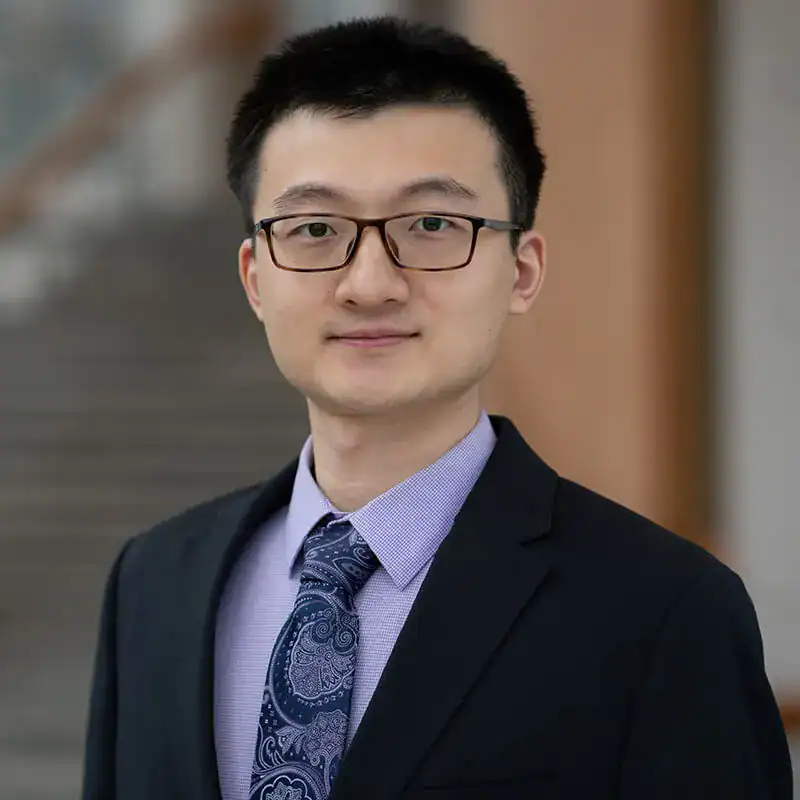
CRI Funded Scientist
Zhixin Jing, PhD
Long-lasting immune memory is essential for protecting the body against recurring infections and sustaining the effectiveness of… -
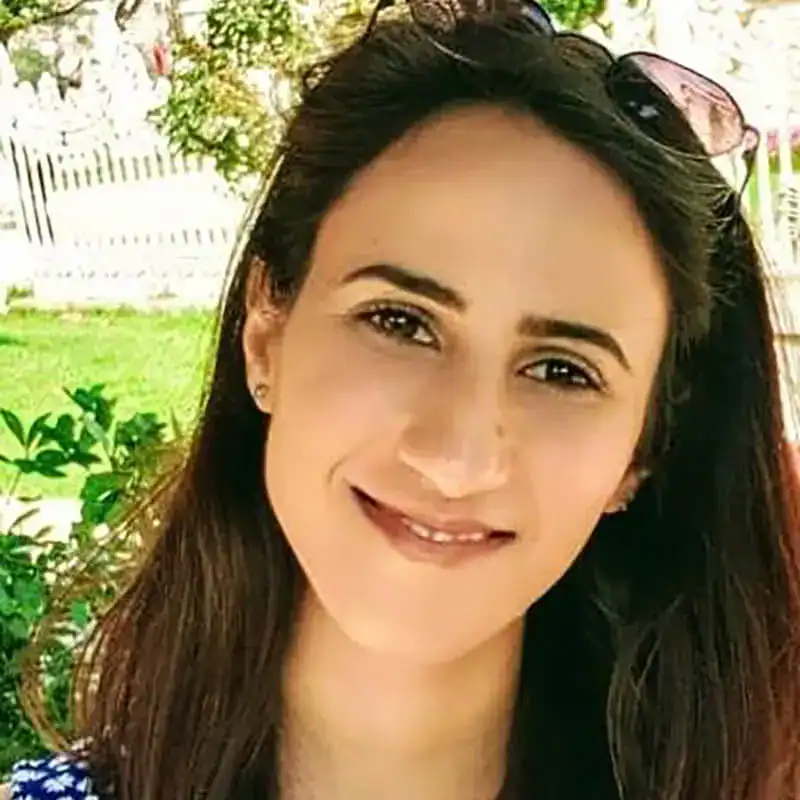
CRI Funded Scientist
Amina Jbara, PhD
Why do some patients respond to immunotherapy while others do not? One promising piece of the puzzle… -

CRI Funded Scientist
Jesse Garcia Castillo, PhD
T cells rely on finely tuned signaling pathways to remain both vigilant and restrained – strong enough… -
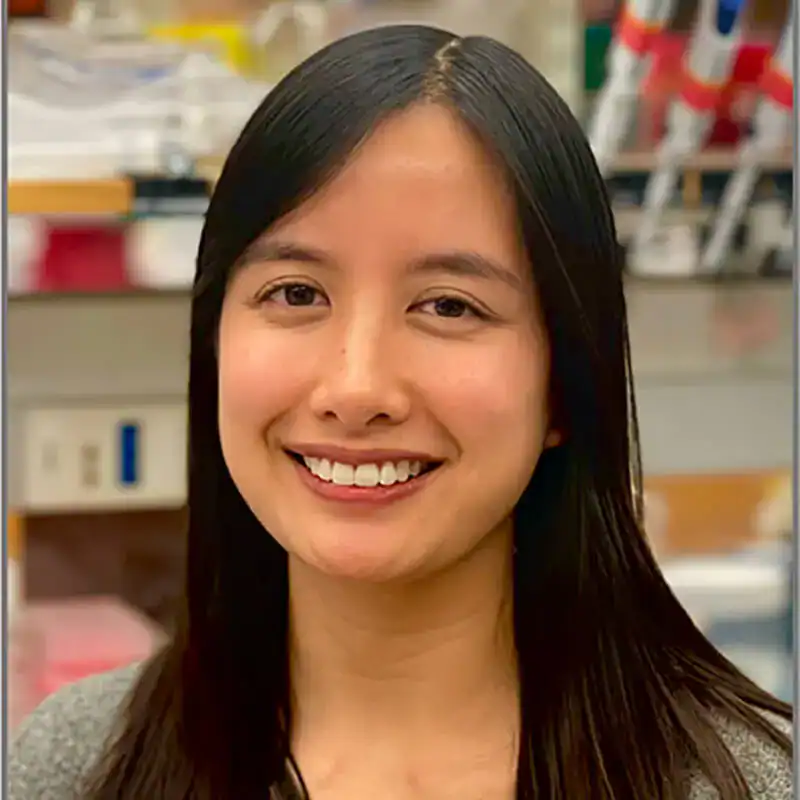
CRI Funded Scientist
Samantha Fernandez, PhD
Interferons (IFNs) are powerful immune molecules, but their use in cancer treatment remains a double-edged sword. While… -
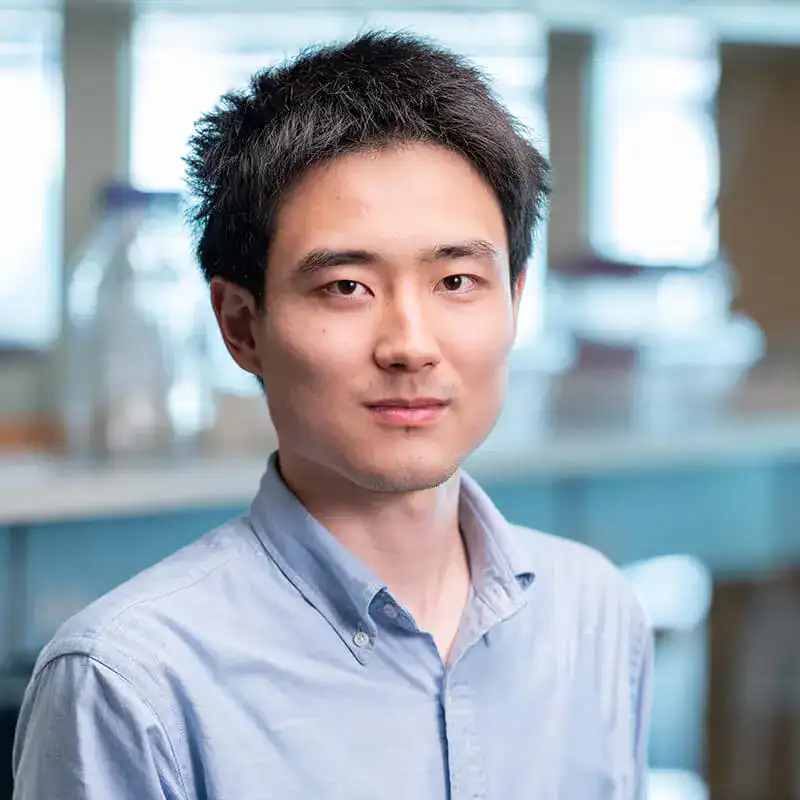
CRI Funded Scientist
Hiroyasu Aoki, PhD
While most cancers are caused by a combination of genetic and environmental factors, cancers caused by viruses… -

CRI Funded Scientist
Anton Dobrin, PhD
CAR T-cell therapies have transformed cancer treatment, but each treatment is custom-built from a patient’s own cells,… -

CRI Funded Scientist
Ondrej Belan, PhD
Some viruses do more than make us sick: they can rewire our cells in ways that lead…

Join CRI in Shaping the Future of Immunotherapy
Support the pioneering work of CRI in advancing immunotherapy.