
Solid tumors such as prostate, ovarian, and pancreatic cancers remain among the most difficult to treat, often resisting even the most advanced forms of immunotherapy. These epithelial cancers are highly diverse, with tumor cells using multiple strategies to hide from immune attack. A key unanswered question is why some tumor cells are effectively eliminated by engineered T cells while others survive. Understanding these differences could reveal how to make immunotherapies more effective for the majority of cancer patients.
To address this, Dr. Zhiyuan Mao has developed an innovative technology called Cell-Cell-Seq, which captures and analyzes a single cancer cell paired with a single T cell inside a microscopic droplet. This allows researchers to measure, in real time, how individual immune cells interact with different tumor cells and how those encounters shape therapeutic success or failure. By mapping both the molecular “conversations” and the outcomes of these interactions across diverse epithelial cancers, Dr. Mao aims to uncover the genetic and cellular features that determine whether tumors resist or respond to immunotherapy.
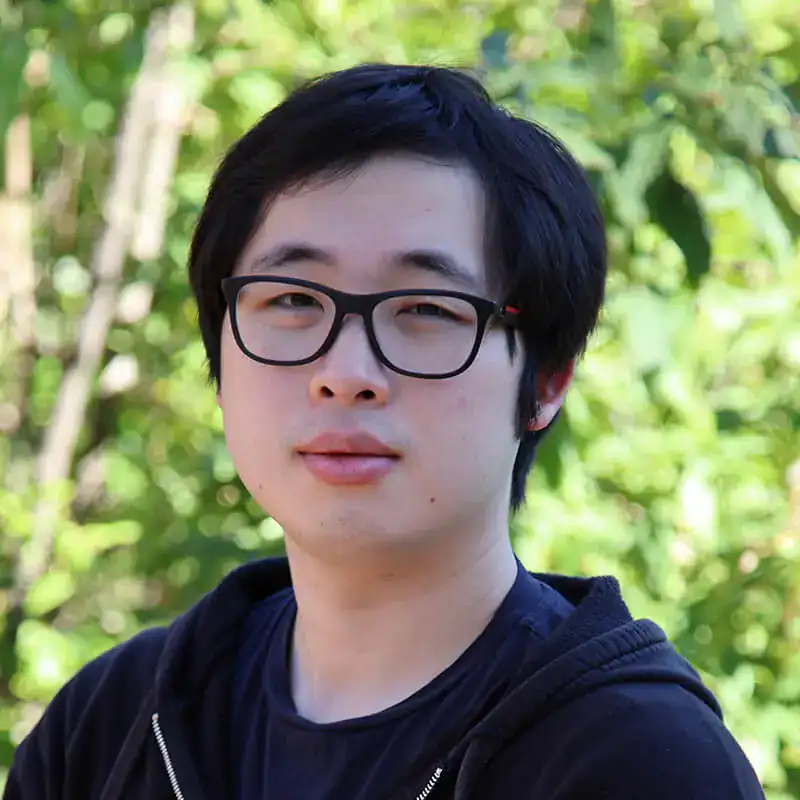
Dr. Mao is a cancer immunologist and bioengineer whose work bridges molecular biology, computation, and biophysics. His pioneering platform combines single-cell sequencing with precision microengineering to study immune–tumor interactions at unprecedented resolution. By revealing the hidden rules that govern how T cells recognize—or fail to recognize—cancer cells, his research could guide the design of more effective, personalized immunotherapies for patients with currently treatment-resistant cancers.
Sponsor
John Lee, MD, PhD
Projects and Grants
Deciphering Heterogeneous Tumor Responses to Immunotherapy by Profiling Cancer–T Cell Doublet Interactions