
T cells play a central role in the immune system’s ability to detect and destroy cancer, yet their effectiveness often fades over time, especially in solid tumors. This decline, known as T cell exhaustion, limits the success of promising therapies like CAR T cell treatment. The process is controlled by molecular switches that determine whether T cells remain active or enter a dysfunctional state. One such switch involves the transcription factor NFAT, which can drive either immune activation or exhaustion depending on its binding partners. Dr. Yi-Tsang Lee’s research aims to uncover how these molecular partnerships shape T cell behavior and how they might be redirected to sustain anti-tumor activity.
Dr. Lee is developing an innovative “event-triggered” molecular labeling system that marks proteins only when they form cooperative complexes on DNA. Using this approach, he will map how NFAT pairs with different partners—such as AP1 or NR4A3—to control gene programs involved in T cell activation and exhaustion. This cutting-edge platform will allow researchers to visualize these dynamic interactions with unprecedented precision, revealing how shifts in NFAT’s binding patterns can either sustain immune responses or drive exhaustion.
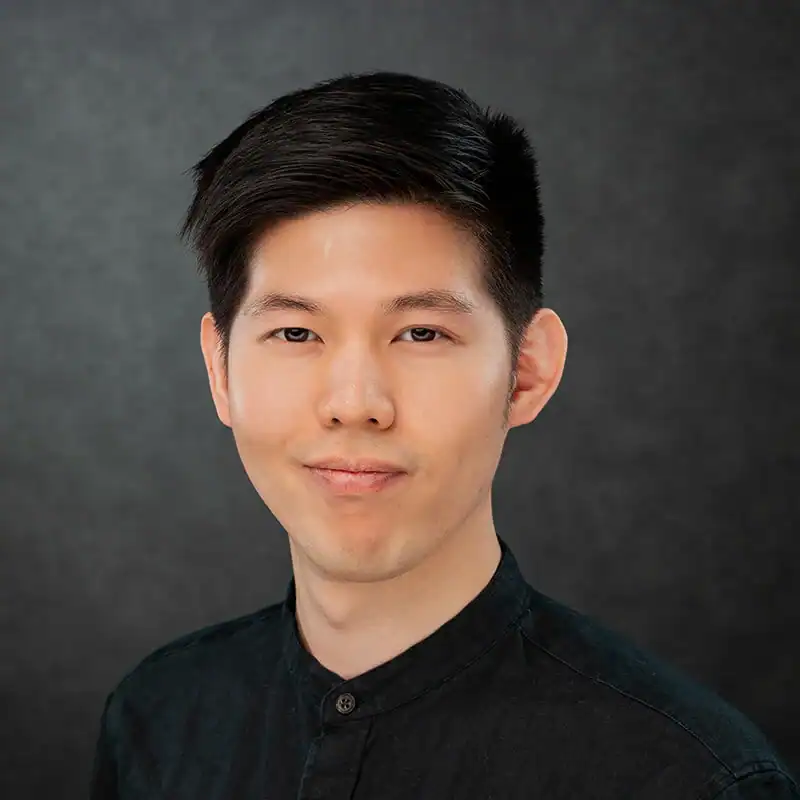
Dr. Lee is a molecular biologist and protein engineer whose work bridges synthetic biology, gene regulation, and cancer research. His earlier studies created molecular tools that control cellular activity with light or small molecules. Building on this expertise, his current research uses these engineering approaches to better understand and improve T cell–based cancer therapies. At the same time, the new technology he is developing offers a powerful platform to study how genes are switched on and off across many biological systems, broadening its potential impact well beyond cancer.
Sponsor
Patrick Hogan, PhD
Projects and Grants
A Novel approach to study T-cell activation and exhaustion