
The immune system’s T cells play a central role in recognizing and eliminating cancer, yet how they respond to the trillions of bacteria in the gut—and how these microbes influence cancer progression—remains a major unanswered question. In colorectal cancer, the gut microbiome can shape both anti-tumor immunity and responses to immunotherapy, but the exact bacterial antigens that T cells recognize are largely unknown. Understanding these immune–microbiome interactions could open the door to new ways of improving cancer treatment and reducing side effects.
Dr. Xueyang Dong is developing a groundbreaking high-throughput platform to systematically identify microbial and tumor antigens recognized by T cells. By combining a novel cell-fusion–based method with comprehensive microbiome antigen libraries, his work will map how T cells respond to both bacterial communities and colorectal tumors. This research will clarify how specific microbes and their antigens shape immune cell behavior within tumors and influence patient responses to therapies such as immune checkpoint blockade. The insights gained could inform microbiome-based interventions to enhance anti-tumor immunity while minimizing harmful inflammation.
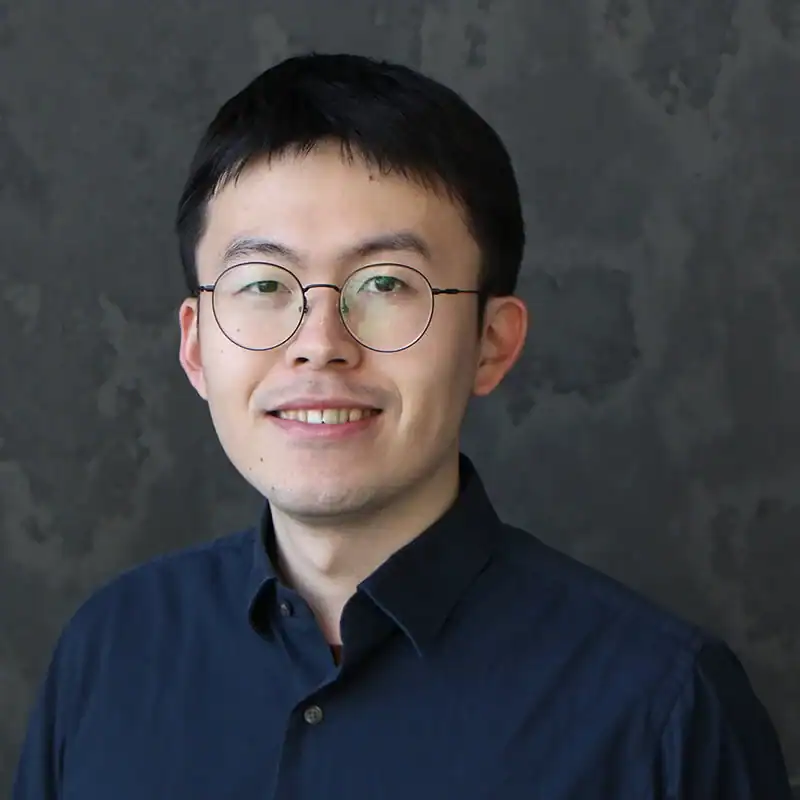
Dr. Dong is a chemical biologist whose cross-disciplinary expertise bridges microbiology, immunology, and chemical biology. He has developed genetic tools for previously intractable gut bacteria and uncovered new molecular pathways governing microbial metabolism. Building on this foundation, his work now seeks to translate these discoveries into cancer immunology—integrating the microbiome into personalized immunotherapy design and paving the way for safer, more effective treatments for colorectal and other cancers.
Sponsor
Kazuki Nagashima, MD, PhD
Projects and Grants
Systematic Discovery of Microbiome-Derived T Cell Antigens for Colon Cancer Immunotherapy