
CAR T-cell therapy has transformed treatment for certain blood cancers, producing long-lasting remissions for some patients. However, not all patients respond successfully, and others develop serious immune-related side effects. Doctors currently lack simple and widely accessible tools to monitor how a patient’s immune system is behaving in the critical days and weeks after treatment.
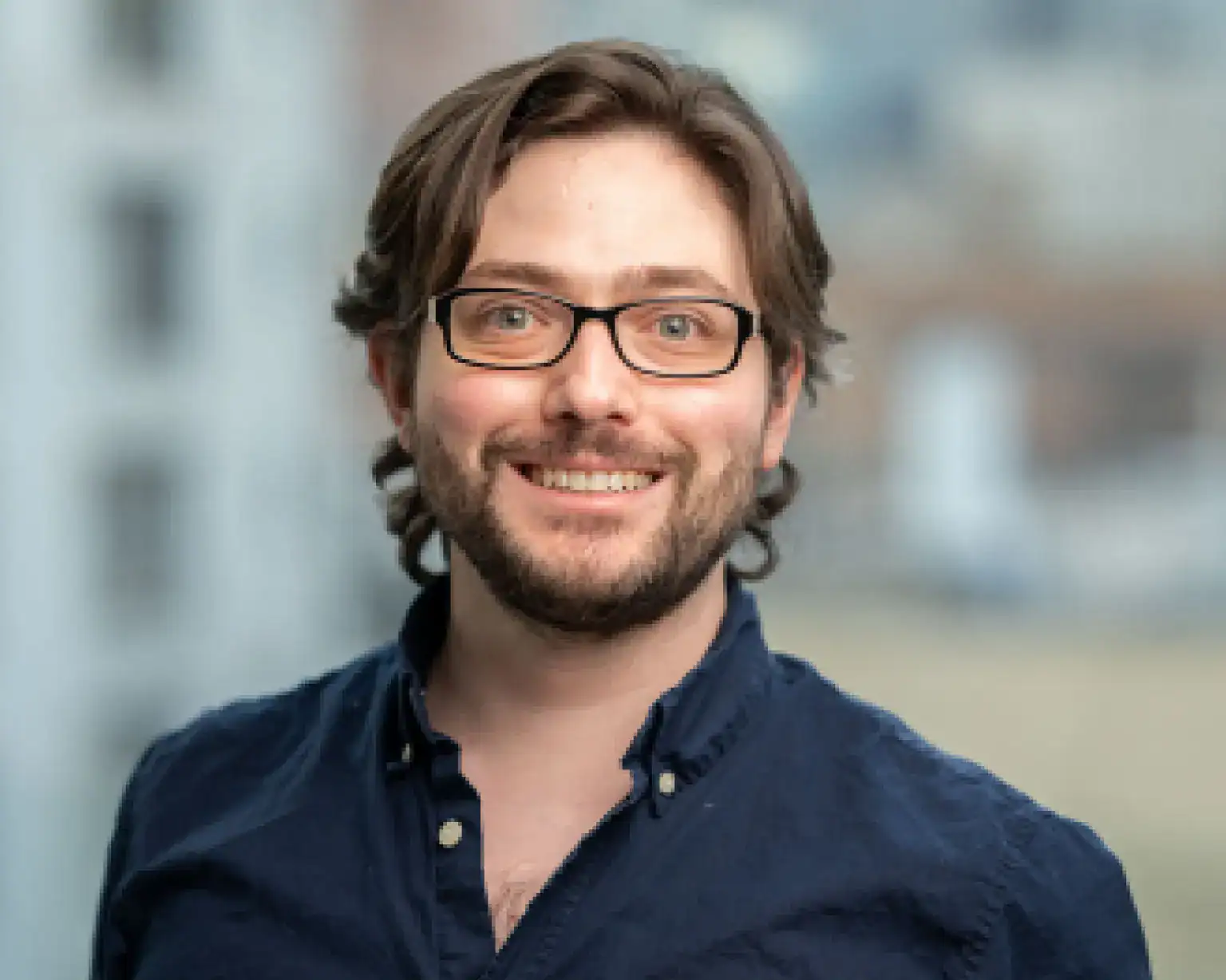
Dr. Paulsen combines expertise in artificial intelligence, digital imaging, and immunology to tackle this problem. During his doctoral training in computer science, he developed advanced machine-learning systems capable of extracting meaningful biological patterns from complex data such as brain imaging. He has since applied these computational tools to cancer immunotherapy at Memorial Sloan Kettering Cancer Center.
His project focuses on routine blood smears, a simple laboratory test performed worldwide. Although these smears contain valuable visual information about immune cells, they are traditionally interpreted only qualitatively by specialists. Dr. Paulsen has already developed AI systems capable of analyzing hundreds of thousands of immune cells from blood smears of CAR T-cell patients and linking specific cell patterns to treatment response and survival.
He will now expand this work to create a practical monitoring tool that can track immune activity during CAR T-cell therapy in real time. By identifying visual signatures associated with treatment success or dangerous side effects, this research could help doctors improve risk assessment, personalize supportive care, and enhance patient outcomes. The approach may also be broadly useful for monitoring many other forms of cancer immunotherapy.
Mentor
Roni Shouval, PhD
Projects and Grants
A scalable image-based platform for real-time monitoring of cellular immunotherapy