
CAR T-cell therapy has revolutionized treatment for some patients with aggressive lymphoma, but only about half of patients experience durable long-term benefit. Doctors still do not fully understand why these therapies succeed in some tumors but fail in others.
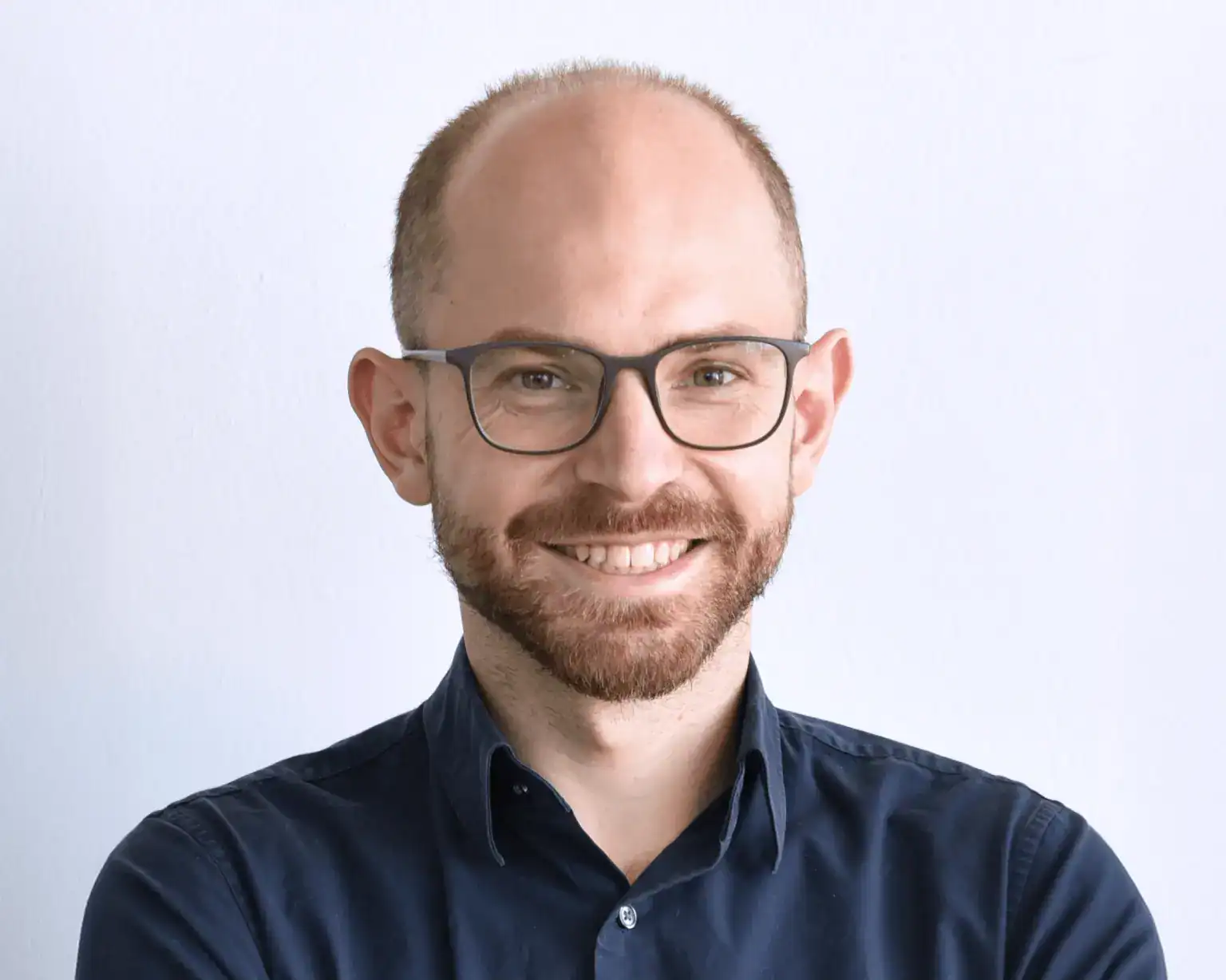
Dr. Schaefer combines expertise in artificial intelligence, computer science, and systems biology to study cancer. His previous work led to the development of innovative AI systems capable of linking complex biological data with natural language and advanced tissue analysis. He has also contributed to major efforts aimed at improving CAR T-cell function through genome-wide screening technologies.
This project will develop an AI-based system capable of analyzing standard tumor biopsy slides in extraordinary detail. By training the system on tissue samples that include both microscope images and molecular information from individual cells, the AI will learn to identify cancer cells, immune cells, and the ways they are organized within tumors.
Dr. Schaefer will apply this approach to biopsy samples from hundreds of lymphoma patients treated with CAR T-cell therapy. By comparing tumors from patients who responded well with those who did not, he hopes to uncover the specific features of the tumor environment that interfere with treatment success.
The findings could improve understanding of why CAR T-cell therapy fails in certain patients and guide the design of more effective immunotherapies. Beyond lymphoma, this AI system may become a powerful new tool for helping pathologists uncover hidden information within routine cancer biopsies.
Mentor
Zinaida Good, PhD, Jure Leskovec, PhD
Projects and Grants
Decoding the lymphoma microenvironment to understand CAR T cell therapy resistance