
Immunotherapy is increasingly being used to treat cancer earlier in the course of disease, including before and after surgery. However, doctors still lack reliable tools to determine whether these treatments are truly working for individual patients. As a result, some patients receive unnecessary additional therapies while others may miss opportunities for more effective treatment.
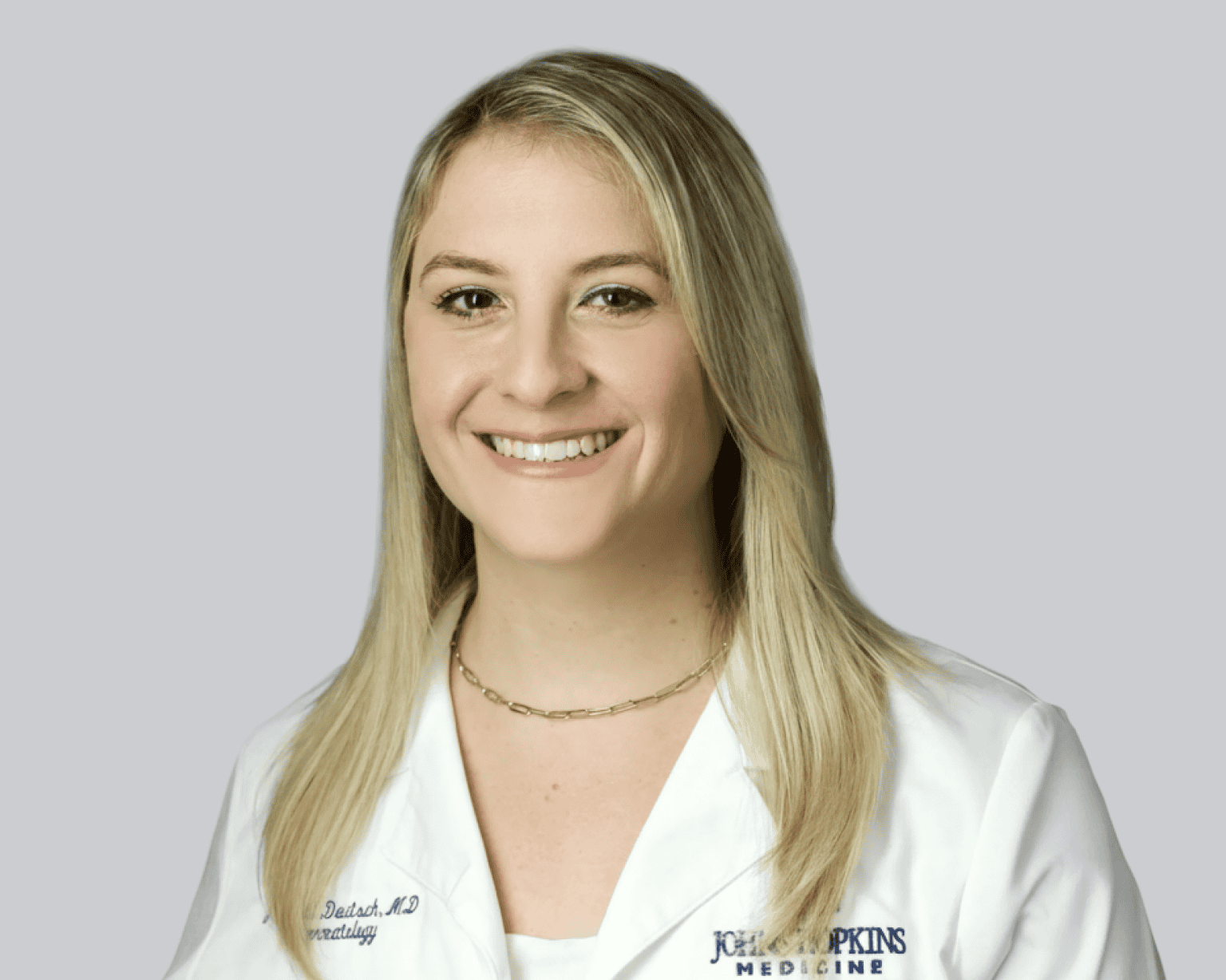
Dr. Deutsch’s research seeks to solve this problem by developing a new tissue-based system for measuring response to immunotherapy across many different cancer types. Her goal is to create a broadly applicable framework that can accurately assess treatment response using routine pathology samples already collected in hospitals.
The project combines advanced multispectral imaging, artificial intelligence, and standard pathology slides to analyze how tumors and immune cells change during treatment. By integrating these technologies, Dr. Deutsch hopes to provide doctors with clearer and more personalized information about whether a patient’s therapy is succeeding. Importantly, this approach is designed to be practical and scalable using tools that are already widely available in clinical settings.
Beyond patient care, her work may also accelerate clinical trials and improve how new cancer therapies are evaluated across multiple cancer types
Projects and Grants
An integrated tissue framework for assessing pan-tumor immunotherapy response to support personalized cancer care