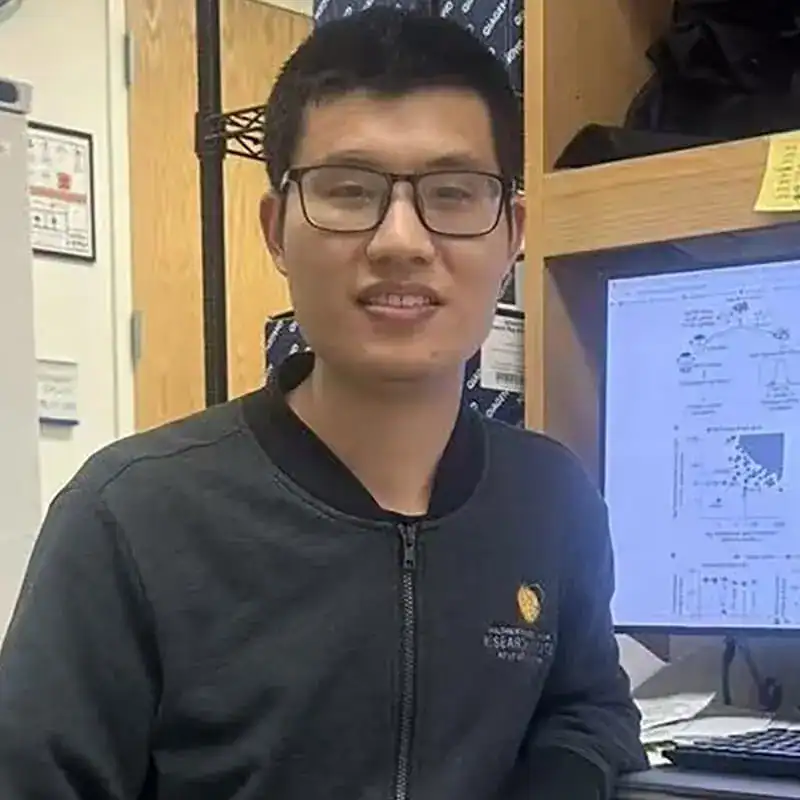

Immunotherapy has transformed cancer treatment by harnessing the body’s own immune system to destroy tumors. Yet most patients still fail to benefit, often because their cancer-fighting T cells cannot effectively reach or attack tumors. Dr. Fubo Ji’s research explores a surprising new explanation for this problem—competition for fats, or lipids, between tumor cells and immune cells. Cancer cells consume large amounts of “bad cholesterol” (LDL) to support their growth, and emerging evidence suggests this deprives T cells of the lipids they need to function properly. Strikingly, patients with higher LDL levels tend to respond better to immunotherapy, raising the question of whether improving lipid availability could boost anti-tumor immunity.
Dr. Ji’s project investigates how tumor LDL uptake interferes with T cell activity and how manipulating lipid levels might restore immune function. He will study how changes in lipid metabolism affect the performance of CD8⁺ T cells—the immune cells responsible for killing cancer—and test whether adjusting LDL availability enhances responses to widely used immunotherapies such as anti–PD-1 and anti–PD-L1 treatments. By pinpointing which specific lipids support T cell activity, this work could reveal new ways to strengthen the immune response and improve cancer therapy outcomes.
Dr. Ji is a cancer biologist with broad expertise in tumor metabolism, immunology, and therapeutic discovery. His previous research uncovered key genetic and metabolic vulnerabilities in liver cancers and revealed new mechanisms of tumor progression. Building on this foundation, he now seeks to translate insights from cancer metabolism into strategies that enhance immune-based treatments and ultimately improve patient survival.
Sponsor
Javier Garcia Bermudez, PhD
Projects and Grants
Dissecting the role of lipid uptake in cancer immune evasion