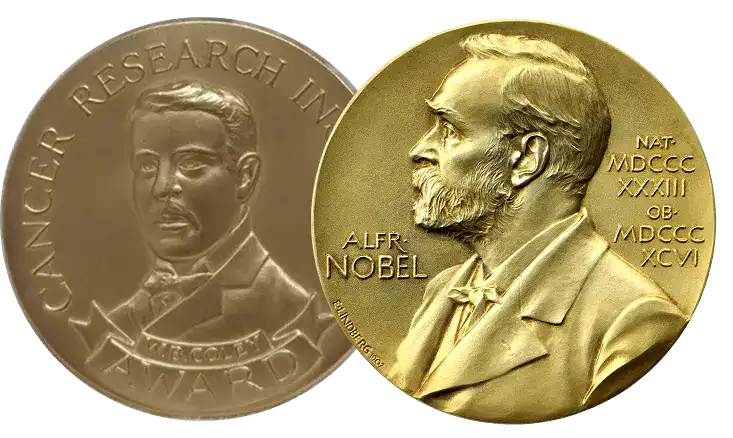
For more than half a century, the Cancer Research Institute (CRI), through the William B. Coley Award, has recognized the scientists whose bold ideas transformed our understanding of the immune system.
Incredibly, 12 of these trailblazers have gone on to receive the Nobel Prize — the world’s most prestigious scientific honor. Their discoveries have reshaped modern medicine, revolutionized cancer treatment, and revealed the immune system’s astonishing power to protect, heal, and save lives.
Before these scientists’ achievements were celebrated on the world stage, CRI recognized their brilliance. This legacy of foresight—of seeing possibility before it becomes history—defines CRI as both a champion of discovery and a catalyst for progress.
From past visionaries to future pioneers, CRI’s story is, and always will be, one of discovery that changes the world.
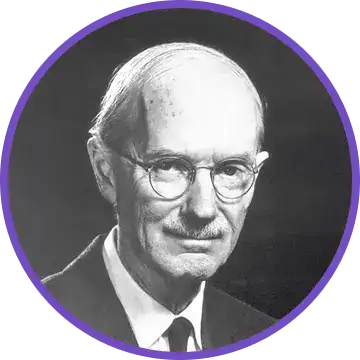
George Snell, PhD (1903–1996)
Jackson Laboratory, Bar Harbor, ME, USA
1951

The Discovery: Dr. Snell discovered cell-surface proteins that determine whether the immune system accepts or rejects foreign cells, and the genetic regulation of those proteins.
1978
Coley Award for Distinguished Research in Basic and Tumor Immunology
1980
Nobel Prize in Physiology or Medicine
Lasting Impact: His work was significant for transplants and provided the foundation for future understanding of histocompatibility and tumor immunology.
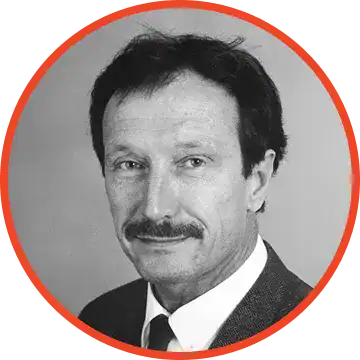
Rolf Zinkernagel, MD, PhD
University of Zurich, Zurich, Switzerland
Member of CRI’s Scientific Advisory Council
1973

The Discovery: Dr. Zinkernagel discovered that T cells can destroy infected cells only when they recognize both the invading antigen and a matching major histocompatibility complex (MHC) protein from the body’s own cells—revealing a cornerstone of the adaptive immune response.
1987
Coley Award for Distinguished Research in Basic and Tumor Immunology
1996
Nobel Prize in Physiology or Medicine
Lasting Impact: His work laid the foundation for modern vaccine design and deepened our understanding of how immune cells distinguish friend from foe.
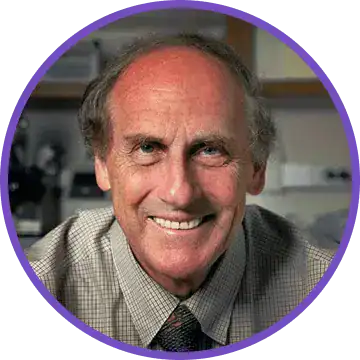
Ralph Steinman, MD (1943–2011)
Rockefeller University, New York, NY, USA
1973
The Discovery: Dr. Steinman discovered dendritic cells, the immune system’s key messengers that activate and shape adaptive immune responses.
1998
Coley Award for Distinguished Research in Basic and Tumor Immunology
2011
Nobel Prize in Physiology or Medicine (posthumous)
Lasting Impact: His work revealed how the body learns to recognize and fight disease—insights that continue to guide immunotherapy today.
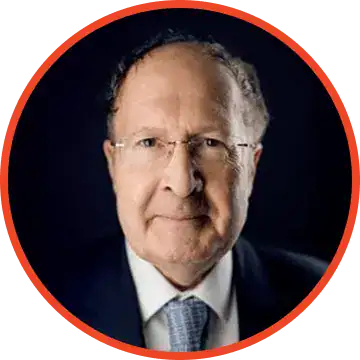
Sir Gregory Winter, PhD
MRC Laboratory of Molecular Biology, Cambridge, UK
1985
The Discovery: Dr. Winter leveraged genetic change and selection for antibody engineering–specifically using a bacteriophage, a virus that infects bacteria, to evolve new proteins.
1987
Coley Award for Distinguished Research in Basic and Tumor Immunology
1996
Nobel Prize in Chemistry
Lasting Impact: His work had a profound impact on therapeutics, leading to the development of antibodies that can neutralize toxins, counteract autoimmune diseases, and combat metastatic cancer.
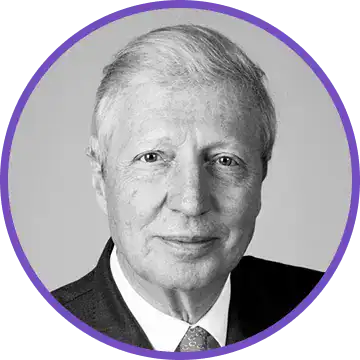
Jules Hoffmann, PhD
University of Strasbourg, Strasbourg, France
1996
The Discovery: Dr. Hoffmann discovered and characterized the Toll receptor and how it enables the innate immune system to recognize pathogens, and established the fruit fly as a model for immune research in the process.
2003
Coley Award for Distinguished Research in Basic and Tumor Immunology
2011
Nobel Prize in Physiology or Medicine
Lasting Impact: His discoveries reshaped our understanding of innate immunity and laid the foundation for studying how organisms detect infection.

Shimon Sakaguchi, MD, PhD
The University of Osaka, Osaka, Japan
Member of CRI’s Scientific Advisory Council
1995
The Discovery: Dr. Sakaguchi discovered and characterized regulatory T cells (Tregs), the immune system’s peacekeepers that prevent harmful autoimmune reactions.
2004
Coley Award for Distinguished Research in Basic and Tumor Immunology
2025
Nobel Prize in Physiology or Medicine
Lasting Impact: His discovery explained how the immune system maintains balance—protecting against autoimmune disease while informing new cancer therapies.
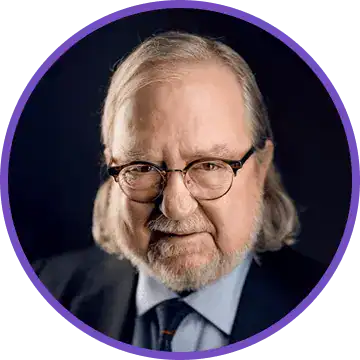
James P. Allison, PhD
UT MD Anderson Cancer Center, Houston, TX, USA
Director of CRI’s Scientific Advisory Council
1994
The Discovery: Dr. Steinman discovered dendritic cells, the immune system’s key messengers that activate and shape adaptive immune responses.
2005
Coley Award for Distinguished Research in Basic and Tumor Immunology
2018
Nobel Prize in Physiology or Medicine (posthumous)
Lasting Impact: His work led to the first FDA-approved immune checkpoint inhibitor immunotherapy, ipilimumab (Yervoy®), revolutionizing cancer treatment worldwide.
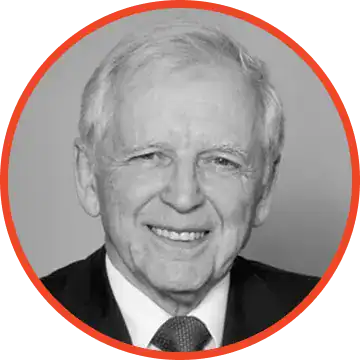
Harald zur Hausen, MD (1936–2023)
German Cancer Research Center, Heidelberg, Germany
1983
The Discovery: Dr. zur Hausen discovered that human papillomavirus (HPV) causes cervical cancer.
2006
Coley Award for Distinguished Research in Tumor Immunology
2008
Nobel Prize in Physiology or Medicine
Lasting Impact: His discovery led to the development of a vaccine against cervical cancer, protecting millions of people from HPV-related diseases.
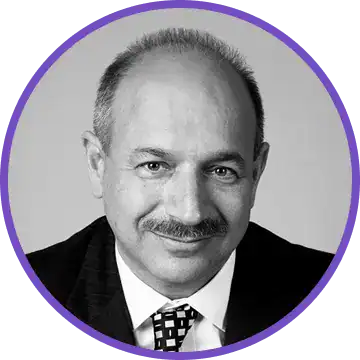
Bruce Beutler, MD
The University of Texas Southwestern, Dallas, Texas
1998
The Discovery: Dr. Beutler uncovered how the innate immune system detects infection, identifying Toll-like receptor 4 (TLR4) as the sensor for bacterial LPS and tumor necrosis factor (TNF) as a key mediator of inflammation.
2006
Coley Award for Distinguished Research in Basic Immunology
2011
Nobel Prize in Physiology or Medicine
Lasting Impact: His work transformed our understanding of innate immune sensing and inflammation, paving the way for treatments targeting autoimmune and inflammatory diseases.
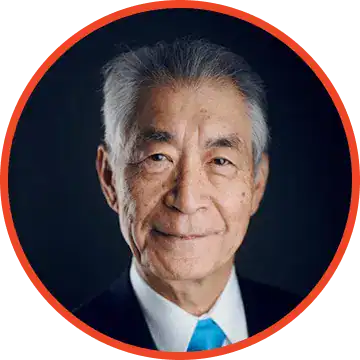
Tasuku Honjo, PhD
Kyoto University, Kyoto, Japan
1992
The Discovery: Dr. Honjo discovered and characterized PD-1, a protein on immune cells that operates as a brake on the immune system.
2014
Coley Award for Distinguished Research in Basic and Tumor Immunology
2018
Nobel Prize in Physiology or Medicine
Lasting Impact: His discovery laid the foundation for the development of highly effective cancer therapeutics based on this protein.
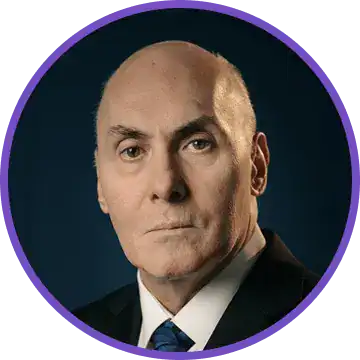
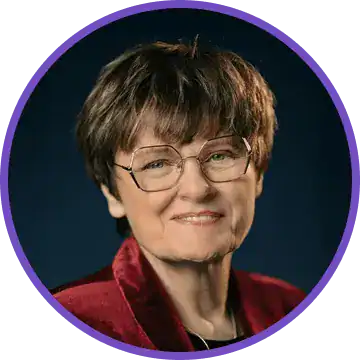
Drew Weissman, MD, PhD, and Katalin Karikó, PhD
University of Pennsylvania, Philadelphia, PA, USA
2005
The Discovery: Drs. Weissman and Karikó uncovered how to safely modify and deliver mRNA, enabling the creation of powerful new vaccines and therapies.
2021
Coley Award for Distinguished Research in Basic Immunology
2023
Nobel Prize in Physiology or Medicine
Lasting Impact: Their work harnessed the power of mRNA—unlocking the technology behind lifesaving SARS-CoV2 vaccines that protect against COVID-19, and opening doors to new treatments for cancer, HIV, and beyond.