
Cancer treatments such as chemotherapy and immunotherapy save lives but can also severely weaken the immune system, leaving patients vulnerable to dangerous infections. Doctors typically monitor immune health using blood tests, but most long-term protective immune cells live in tissues and lymphoid organs throughout the body, where their response to cancer therapy remains poorly understood.
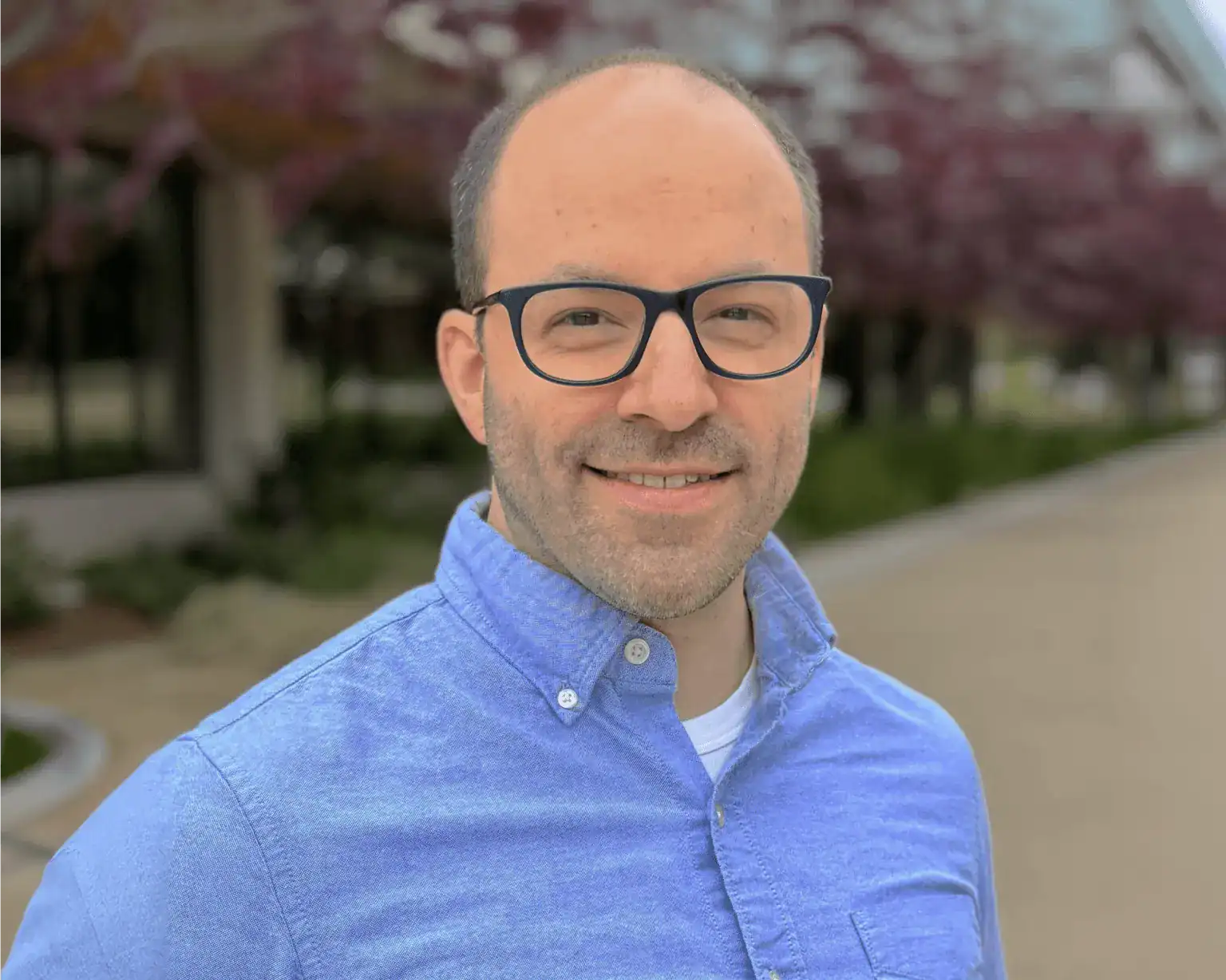
Dr. Hills is a pediatric hematology-oncology physician-scientist with expertise in human immunology and advanced immune profiling. His earlier research helped pioneer methods for sequencing individual human neurons and later uncovered important mechanisms controlling immune memory formation.
His project will provide one of the first comprehensive studies of how cancer therapies affect protective immune cells throughout the body, not just in the bloodstream. Using minimally invasive nasal swabs alongside blood and bone marrow samples collected during routine care, Dr. Hills will track how T and B cells change during and after treatment.
His research aims to determine which immune cell populations are lost, which survive, and how effectively the immune system recovers over time. These findings could directly improve patient care by helping doctors better predict infection risk, optimize vaccination timing, and personalize supportive treatments. As more cancer patients survive long term, understanding how therapies affect immune health will become increasingly important for ensuring survivors can live healthier lives after treatment.
Mentors
Shane Crotty, MD, PhD, Hojun Li, MD, PhD
Projects and Grants
Beyond blood: How cancer therapy reshapes adaptive immunity across tissues