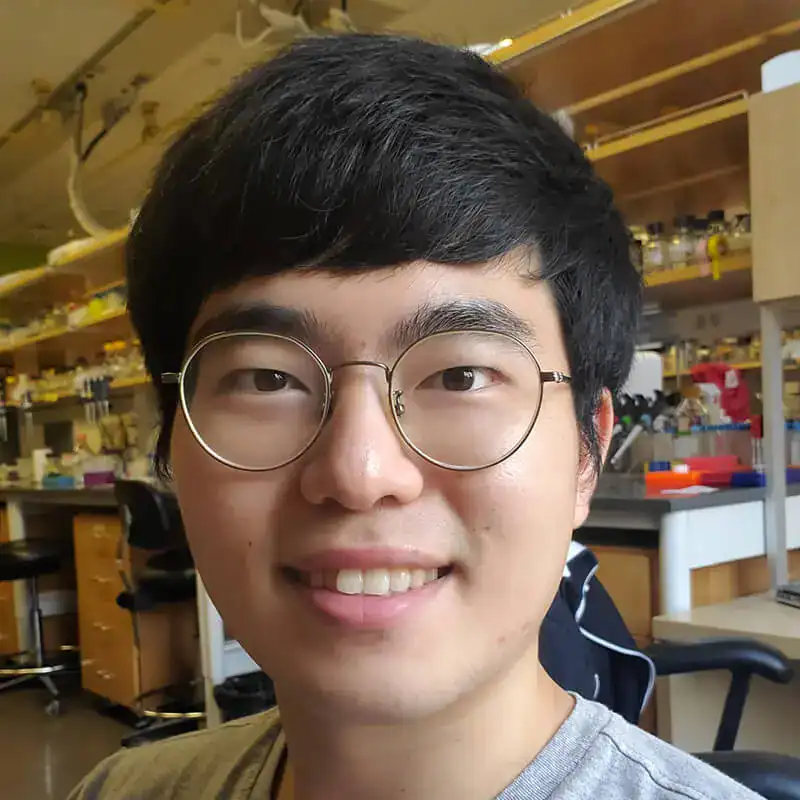

The immune system constantly produces T cells—specialized defenders that patrol the body to detect and destroy abnormal or cancerous cells. Before they can perform this vital task, T cells must undergo a rigorous education process that teaches them to distinguish healthy cells from dangerous ones. When this process fails, the consequences can be severe: the immune system may either overlook cancer or mistakenly attack the body’s own tissues. Dr. Wantae Kim’s research focuses on understanding how this education process is controlled, with particular attention to a key protein called THEMIS, which is essential for proper T cell development but whose molecular role remains mysterious.
Dr. Kim aims to uncover how THEMIS coordinates the molecular interactions that guide immature T cells to maturity. Using advanced biochemical and structural biology techniques, he will map how THEMIS communicates with other signaling proteins to ensure that only properly trained T cells survive. By identifying the molecular “switches” that control this process, his work will reveal new insights into how the immune system maintains balance—and how this knowledge might be harnessed to design next-generation immunotherapies that strengthen the body’s natural defense against cancer.
Dr. Kim brings a distinctive interdisciplinary background that bridges chemistry, molecular biology, and structural biology. His prior research revealed previously unknown molecular mechanisms in enzyme catalysis, RNA processing, and protein phase separation. By applying this mechanistic precision to immunology, he seeks to illuminate how THEMIS safeguards immune function and to lay the groundwork for therapies that enhance T cell–based cancer treatments.
Sponsor
Dorothee Kern, PhD
Projects and Grants
Molecular mechanism by which THEMIS controls T-cell maturation